Stadium Lighting Market Worth US$622.2 Million by 2023
August 17, 2018

The stadium lighting market, expected to be valued at US$432.0 million in 2018, is likely to reach US$622.2 million by 2023, at a CAGR of 7.57% between 2018 and 2023, according to a new market research report on the stadium lighting market by Light Source. Factors such as upcoming national and international sports events, enhanced stadium experiences of fans using LEDs, and reducing costs of LEDs and lifecycle operating costs of stadiums are boosting the demand for stadium lightings.

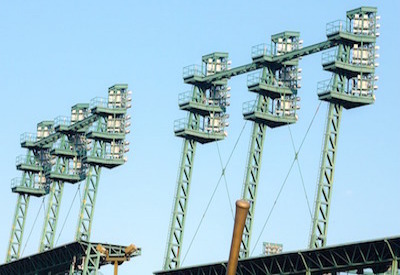
Stadiums are replacing old lighting systems with LEDs as these help in lowering energy consumption, as well as in maintaining costs. LEDs provide better quality light compared with traditional lightings and help meet broadcast demands that include a push to high-definition TV and ultra-slow-motion technology. These also help in eliminating shadows and dark spots on playing surfaces and glares in players’ eyes.

High-quality lights are required in outdoor set-ups for uniformity, visual comfort, and limiting obtrusive light. These lights are also required for games in which players are expected to react quickly to small but fast-moving balls. Lighting systems installed in outdoor set-ups are required to withstand a variety of weather conditions, including winds, rains, and thunder storms. These systems should be bright enough to avoid injury-causing shadows or glares on athletic fields.

The major players operating in the stadium lighting market are

  • Philips Lighting (Netherlands)
  • Musco Sports Lighting (US)
  • Eaton (Ireland)
  • Cree (US)
  • Zumtobel Group (Austria)
  • Acuity Brands (US)
  • Hubbell (US)
  • LG Electronics (South Korea)
  • General Electric (US)
  • Panasonic (Japan)

Find out more about the study: www.marketsandmarkets.com/Market-Reports/stadium-lighting-market-259106590.html?gclid=Cj0KCQjw5NnbBRDaARIsAJP-YR8ilOCkf__ivcXvxlBCna_LCzb2Sl-ihGmHxSc7MU9CuaWLHJBHOoIaAijlEALw_wcB.

Photo source: Renee Gaudet on Pixabay.

Related Articles


Changing Scene


Design

  • Beta Calco: Exploring Tunable White Technology for Human-Centric Spaces

    Beta Calco: Exploring Tunable White Technology for Human-Centric Spaces

    As understanding of light’s impact on human health and performance deepens, the lighting industry has evolved beyond simple on-off illumination to embrace dynamic solutions that respond to human biological needs. This represents a more nuanced, human-centric approach. At the forefront of this shift is Tunable White technology—a transformative approach that allows users to adjust the color temperature… Read More…

  • Stanpro: 3 Tips to Ensure Efficient Lighting for a Hairdressing Salon

    Stanpro: 3 Tips to Ensure Efficient Lighting for a Hairdressing Salon

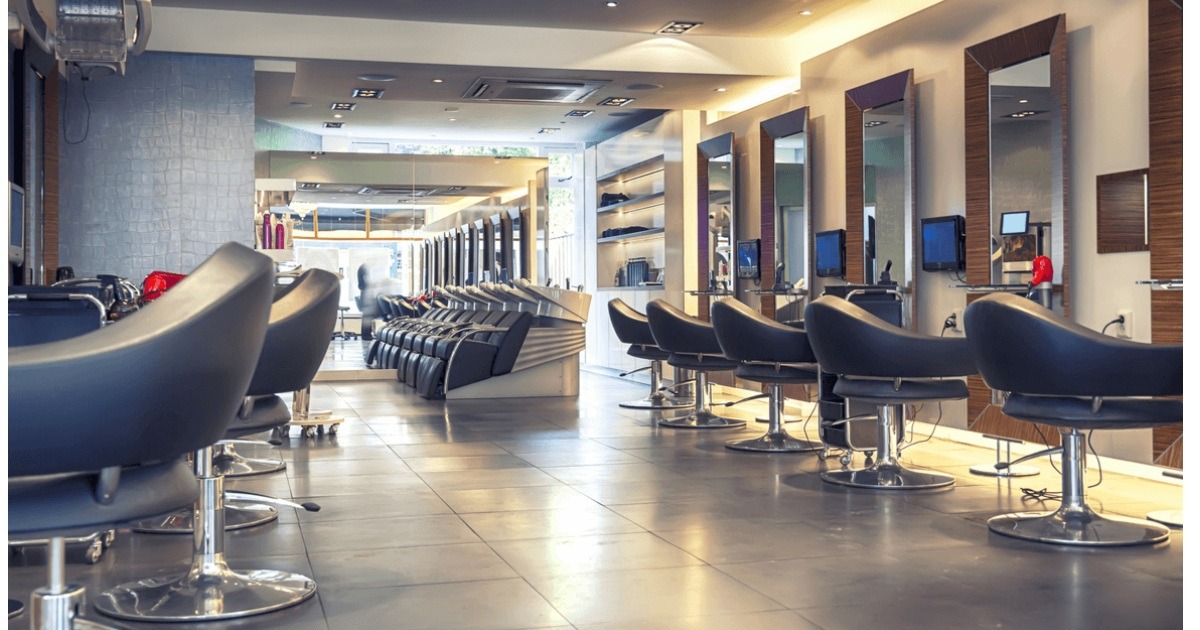
    Remember your last hair appointment: you’re in the waiting room. Perhaps you’re reading a book or magazine while you wait your turn. You’re watching the hairdressers as they cut, style and dye your hair. Have you ever wondered about salon lighting? Indeed, all these activities entail specific lighting requirements: hairdressers need to be able to… Read More…


New Products

  • Magic Lite: LED Regressed Down Light (CCT)

    Magic Lite: LED Regressed Down Light (CCT)

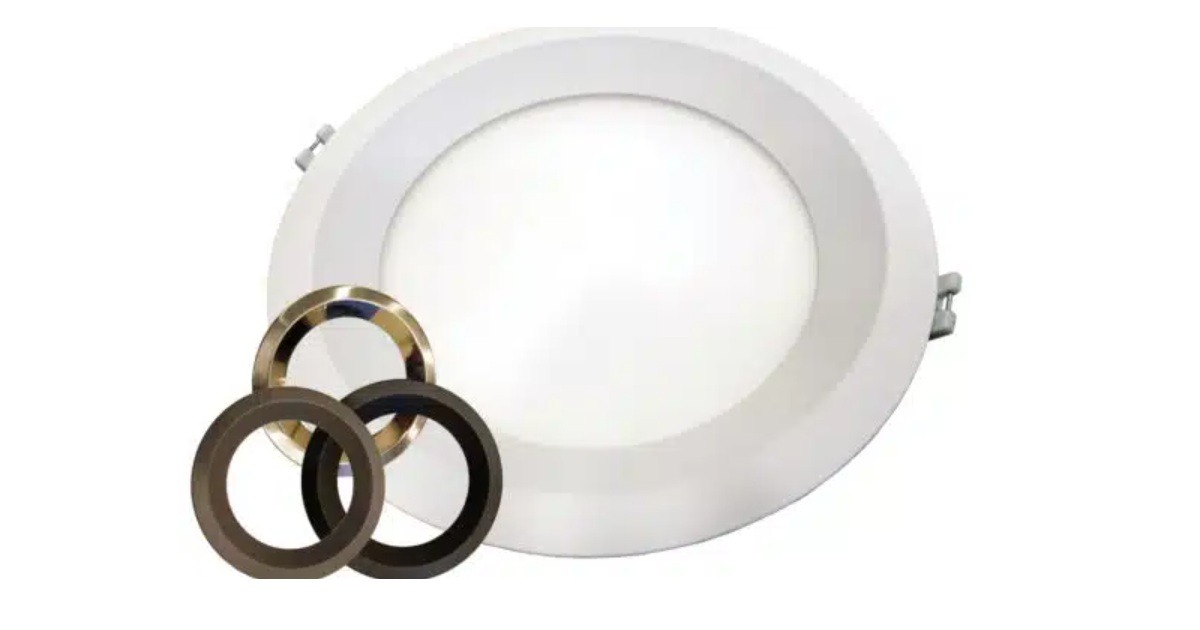
    Designed for remodel and new construction, LED Regressed Down Lights CCT are a versatile and affordable choice for countless applications. Dimmable and tuning through an app. These LED Regressed Down Lights are available in two great options: CCT adjustable with slider selector switch (2700K/3000K/4000K) set and forget or CCT adjustable dynamic range with Bluetooth technology… Read More…

  • Metalumen: Scene Medical Photo Graphics Surface (SCEM)

    Metalumen: Scene Medical Photo Graphics Surface (SCEM)

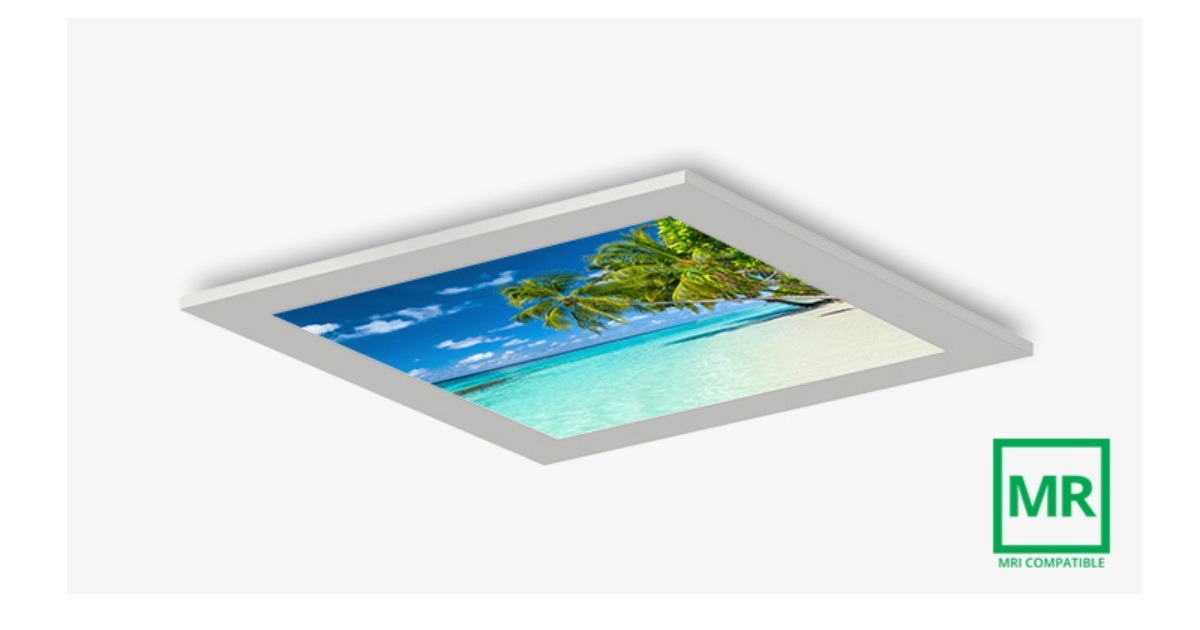
    With ambiance, visual interest, uplifting energy and soothing influence, Metalumen’s Scene Photo Graphics (SCEM) luminaires combine cutting edge technology with good lighting practice. Studies have shown the positive effect of imagery, especially in healthcare facilities, on human wellness and reduction of anxiety and stress levels. This methodology is used in patient rooms and MRI facilities… Read More…