Stanpro: 3 Tips to Ensure Efficient Lighting for a Hairdressing Salon
June 3, 2026
Hair Salon Lighting: Illuminance Level, Color Rendering & Color Temperature
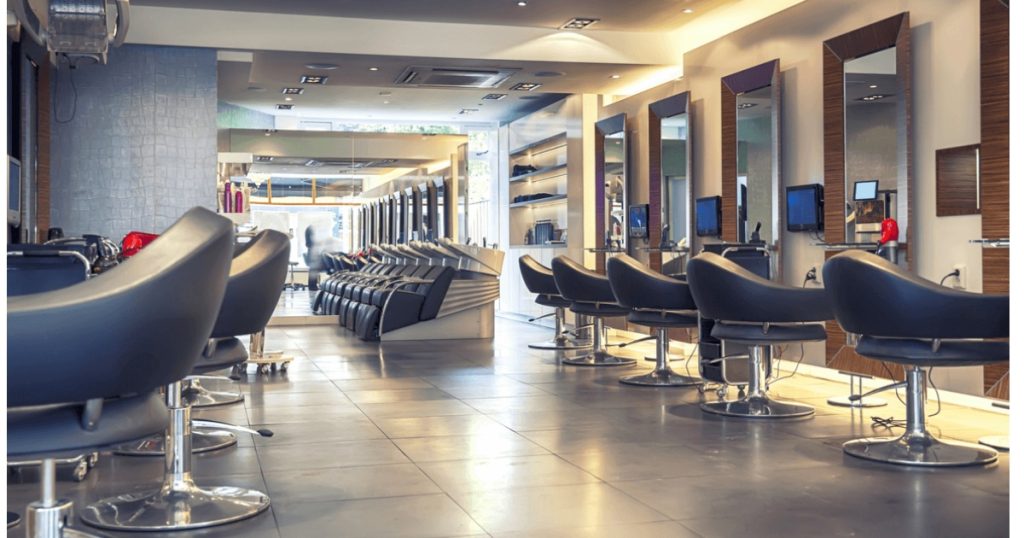
Remember your last hair appointment: you’re in the waiting room. Perhaps you’re reading a book or magazine while you wait your turn. You’re watching the hairdressers as they cut, style and dye your hair. Have you ever wondered about hair salon lighting? Indeed, all these activities entail specific lighting requirements: hairdressers need to be able to see very well to be able to make an impeccable cut and choose the right color for dyes; customers need to be able to consult hairdressing magazines, choose the right cut and color and, finally, appreciate the final work.
Three lighting elements are particularly important in these conditions: illuminance level, color rendering and color temperature.
Superior Illuminance Level
Illuminance level represents the amount of light received by a given surface.
Lighting in hairdressing salons should be uniform and have a high illumination level, so that hairdressers can clearly perceive their movements and customers can observe themselves perfectly. A high level of illumination also ensures visual comfort throughout the day. Indeed, when it’s too dark, the eyes have to make extra efforts to get used to the darkness.
With this in mind, it is generally suggested to maintain a minimum lighting level of 500 lux throughout the space. Make sure the lighting system diffuses an elevated colour rendering index (CRI).
Excellent Color Rendering
For a hair salon to offer an optimal environment for customers and employees alike, the lighting system must also have a high color rendering index (CRI).
This represents the ability of a light source to render the different colors of the visible spectrum. This means that colors and differences in hue are clearly distinguishable. Imagine coming out with hair that’s redder than you wanted it to be, only because you and the hairdresser couldn’t discern the shade inside the salon! So, colors should be the same under salon lighting as they are in daylight.
For this reason, a CRI of at least 90 should be preferred in these spaces.
Optimum Color Temperature
Color temperature is the ability of lighting to diffuse warmer or cooler light.
It helps create a particular atmosphere in a space. Hair salons should have radiant, bright and stimulating lighting, to optimize the work of hairdressers and promote the well-being of customers. It should also reflect the cleanliness and freshness of the space.
Stanpro suggests using fixtures that approximate natural light, either “natural white” or “daylight white.” The color temperature should ideally be between 4000 K and 6000 K.
A Few More Tips
Whether cutting, dying or washing hair, each workstation should be individually illuminated with its own light beam. This form of lighting ensures optimal working conditions and visual comfort for employees. For these areas, Stanpro recommends installing luminaires with a color rendering index as close as possible to 100, which is the index for natural light.
Circulation areas, on the other hand, can be lit a little less brightly than workstations, as long as movement is safe and the difference in light between zones is not visually unpleasant.
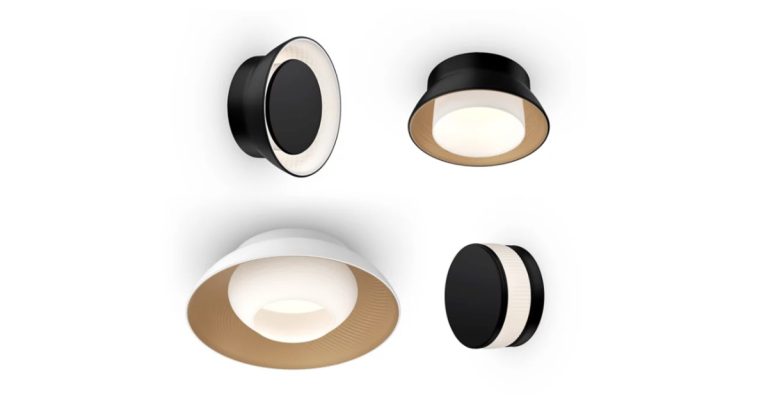
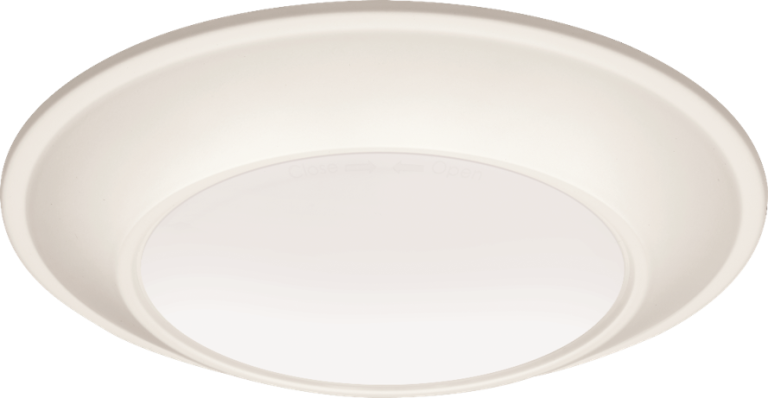
General lounge lighting can be created using round recessed fixtures. Wall lights and decorative pendants can then be added to add to the ambience.
For more information on Stanpro solutions HERE


Hair Salon Hair Salon Hair Salon Hair Salon