Canada Light Expo: Human-Centric Lighting – Designing Spaces Around Health & Well-Being
October 2, 2026
How Human-Centric Lighting Considers the Way Light Interacts with the Needs, Behaviours & Daily Rhythms of People
Lighting has always been essential to how we see and use a space. But today, its role is moving beyond visibility and aesthetics. As workplaces, healthcare facilities, hospitality environments, educational institutions and residential spaces become more focused on people, lighting is being designed to support comfort, productivity and overall well-being.
This shift has brought human-centric lighting into sharper focus.
Instead of treating lighting as a purely functional element, human-centric lighting considers how light can interact with the needs, behaviours and daily rhythms of people. For lighting manufacturers, designers, architects and solution providers, this creates an opportunity to develop products and systems that deliver more value than illumination alone.
What Is Human-Centric Lighting?
Human-centric lighting is an approach to lighting design that considers the visual and non-visual effects of light on people.
Traditional lighting design often focuses on factors such as brightness, colour temperature, energy consumption and appearance. Human-centric lighting adds another layer: how the lighting environment makes people feel and function throughout the day.
This can involve adjusting light intensity, colour temperature, timing and distribution according to the activity and environment.
For example, a workplace may benefit from brighter, cooler light during active working hours, while warmer and softer illumination can create a more relaxed environment later in the day.
The objective is not simply to make spaces brighter. It is to make lighting more responsive to the people using those spaces.
Why Is Human-Centric Lighting Gaining Attention?
The growing focus on well-being is changing how buildings are designed and operated. Businesses are investing in workplaces that support employee experience. Healthcare providers are looking for environments that feel more comfortable for patients and staff. Hospitality brands are using lighting to influence ambience and create memorable experiences.
At the same time, smart building technologies are making it easier to control lighting dynamically.
These developments are creating demand for lighting solutions that can combine comfort, functionality, energy efficiency and intelligent control.
For manufacturers and lighting solution providers, this means the market is moving towards products that can become part of a larger, connected environment rather than functioning as standalone fixtures.
From Static Lighting to Adaptive Environments
One of the biggest changes in modern lighting is the move from static illumination to adaptive lighting.
Conventional systems typically provide the same lighting conditions until someone manually changes them. Human-centric systems can be programmed or automated to respond to time, occupancy, daylight levels, activity and user preferences.
This can create a more dynamic environment throughout the day.
For instance, a commercial office could gradually adjust its lighting based on natural daylight entering the workspace. Meeting rooms could use different lighting scenes for presentations, discussions or focused work. Hospitality spaces could transition from bright daytime illumination to warmer evening settings.
This flexibility is particularly relevant for businesses developing smart lighting products and control technologies.
The Role of Colour Temperature
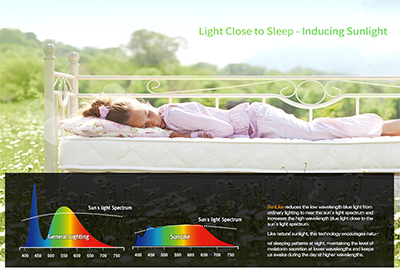
Colour temperature is an important component of human-centric lighting.
Cooler light is commonly associated with alert, active environments, while warmer light is generally used to create a calmer and more relaxed atmosphere. By allowing colour temperature to change throughout the day, lighting systems can provide different experiences for different activities and settings.
For manufacturers, this creates opportunities to develop tunable white lighting, adjustable LED systems and intelligent controls that allow users or building management systems to customise the lighting environment.
The commercial value lies not only in the fixture itself but also in the technology that makes this flexibility possible.
Where Can Human-Centric Lighting Make an Impact?
The applications extend across multiple sectors.
Workplaces
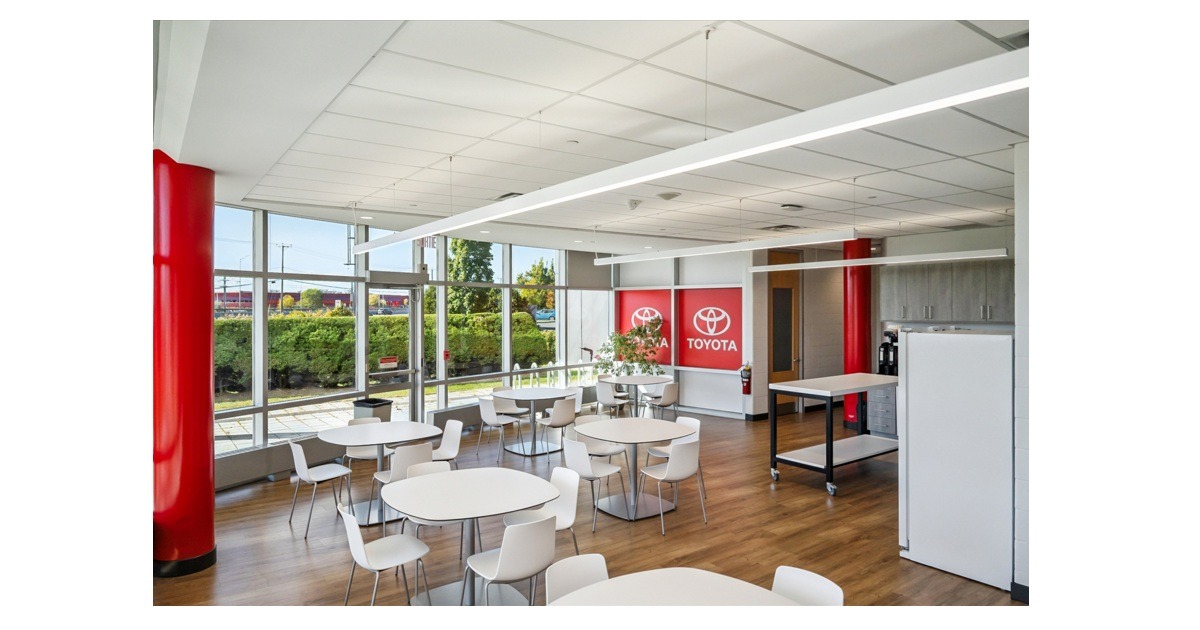
Modern offices are increasingly designed around employee experience. Lighting can contribute to comfortable workstations, collaborative areas, meeting rooms and breakout spaces.
Flexible lighting systems can allow businesses to create different environments for different tasks while integrating with wider smart office infrastructure.
Healthcare
Hospitals, clinics and care facilities require lighting environments that serve patients, healthcare professionals and visitors.
Lighting solutions can be designed around different areas and activities, from patient rooms and treatment spaces to corridors and waiting areas. The ability to create appropriate lighting conditions at different times can be particularly valuable in healthcare environments.
Hospitality
Hotels, restaurants and other hospitality spaces rely heavily on ambience.
Human-centric lighting can help create distinct experiences across reception areas, guest rooms, restaurants, lounges and outdoor spaces. Dynamic lighting can also allow businesses to adapt environments for different times of day or occasions.
Education
Schools, colleges and other learning environments require lighting that supports different activities, from focused study to collaboration and recreation.
Flexible systems can provide lighting scenes suited to classrooms, libraries, laboratories and common areas.
Retail and Commercial Spaces
In retail environments, lighting influences how products and spaces are perceived. Intelligent lighting can also allow retailers to create different atmospheres throughout the day while managing energy use more effectively.
Smart Technology Is Expanding the Possibilities
The development of connected lighting is giving human-centric lighting another layer of functionality.
Sensors, wireless controls, building management systems and automation platforms can work together to make lighting more responsive. Occupancy sensors can detect when spaces are being used. Daylight sensors can help adjust artificial illumination based on available natural light. Centralised controls can allow facility managers to manage lighting across large buildings.
Integration with IoT platforms is also creating opportunities for data-driven lighting management.
For lighting companies, this means innovation is increasingly happening at the intersection of LED technology, controls, sensors, connectivity and building automation.
Sustainability Still Matters
Well-being does not exist separately from sustainability.
Businesses are looking for lighting systems that improve the experience of occupants without creating unnecessary energy consumption. Energy-efficient LEDs, automated controls, occupancy detection and daylight-responsive systems can help reduce energy use while maintaining appropriate lighting conditions.
This combination is becoming increasingly important as organizations look at the overall performance of their buildings rather than evaluating lighting only on initial cost.
For manufacturers and solution providers, energy efficiency can therefore become part of a broader value proposition: better lighting, smarter control and more responsible resource use.
What This Means for Lighting Businesses
The rise of human-centric lighting is creating a shift in how lighting products can be positioned in the market.
A luminaire is no longer necessarily evaluated only on design, brightness or efficiency. Buyers may also consider connectivity, adaptability, control options, user experience, integration capabilities and long-term operating value.
This opens opportunities for businesses across the lighting ecosystem.
Manufacturers can explore tunable and connected luminaires. Technology companies can develop intelligent controls and sensors. Designers can create application-specific lighting environments. System integrators can connect lighting with broader building automation solutions.
The opportunity is to move from selling lighting products to delivering lighting solutions designed around people and their environments.
Designing the Next Generation of Spaces
The future of lighting is likely to be increasingly responsive.
As buildings become smarter and users become more conscious of comfort and well-being, lighting systems will need to adapt rather than simply illuminate. The most relevant solutions will be those that can balance human needs with energy performance, design flexibility and intelligent technology.
For businesses in the lighting industry, human-centric lighting represents more than a growing product category. It reflects a broader change in how lighting is understood—as an active part of the built environment.
The question is no longer simply, “Is this space well lit?”
It is becoming: “Is this lighting helping the space work better for the people inside it?”
That shift in thinking could shape the next generation of lighting products, projects and business opportunities.
For more information on Canada Light Expo HERE