Halogens No Longer For Sale in European Union
September 10, 2018
As of September 1, 2018, new energy intensive and inefficient halogen lightbulbs are no longer being sold across the European Union.
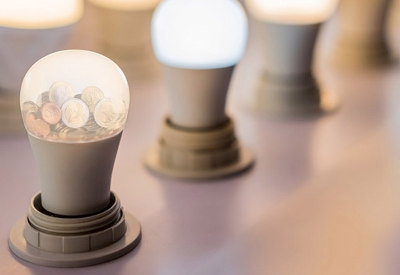
The changes to the EU rules entering affect standard* halogen bulbs (mainly the pear-shaped ones) with non-directional light, but do not cover special types like those used in desk lamps and floodlights. The halogen bulbs will be replaced by LEDs, which have become safer, more affordable and more energy efficient.
The new measures will not apply to products that are already on the shelves in stores, but only to new products produced in or imported to the EU. Originally decided in 2009 by the Member States and the European Parliament, the new rules were reconfirmed in 2015, but their introduction was deferred until now so as to ensure that sufficient affordable alternatives would be available.
The changes are part of the EU’s Ecodesign Work Program, which is an element of the EU’s action to put energy efficiency first and to lead the clean energy transition. This June, as part of the Clean Energy for All Europeans package, co-legislators reached political agreement on a new 32.5% energy efficient target for 2030.
LED bulbs tend to last 5 to 10 times longer than their halogen equivalent and use much less energy (often less than one-tenth of the halogen equivalent), and so the potential savings for consumers are considerable. Moreover, households will need to change bulbs much less frequently. Calculations in 2013 estimated that switching from an average halogen lamp to an energy efficient LED would save at least 115 Euro in the lifetime of the bulb, and pay back its cost in 12-18 months.
The same study estimated that, by implementing the rules at EU level, the changes would provide annual savings of 9.4 TWh – equivalent to the electricity consumption of Portugal over 5 years. These savings correspond to a reduction of 3.4 million tonnes of CO2 emissions every year. The changes will also mean a significant reduction in waste, EU consumers will use considerably fewer light bulbs every year and moreover the new LED bulbs are recyclable.
* mains voltage non-directional halogen bulbs