CSC LED: Tougher Than the Job Site – Choosing Lighting Built for Demanding Environments
June 1, 2026
Harsh Conditions: CSC LED Guide Explores Types of Lighting Built to withstand Environmental Challenges
When lighting is installed in harsh environments, performance goes beyond brightness. Moisture, dust, vibration, corrosive materials, temperature fluctuations, and hazardous conditions can all impact fixture lifespan and reliability. In industrial spaces, choosing the wrong lighting solution can lead to increased maintenance, safety concerns, and unexpected downtime. The right fixture, however, is designed to withstand environmental challenges while delivering consistent illumination where it matters most.
This guide explores common demanding environments and the types of lighting built to perform in them.
Why Harsh Environments Require Specialized Lighting
Standard fixtures may struggle in environments exposed to:
- Moisture and Humidity
- Dust, Dirt, and Airborne Contaminants
- Chemicals and Corrosive Substances
- Extreme Temperatures
- Constant Vibration or Heavy Equipment Movement
- Hazardous Gases, Vapours, or Combustible Materials
Selecting fixtures engineered for these conditions helps improve:
- Worker Safety
- Operational Efficiency
- Fixture Longevity
- Maintenance Requirements
- Reliability in Critical Spaces
Hazardous Locations: When Explosion-Proof Lighting Is Essential
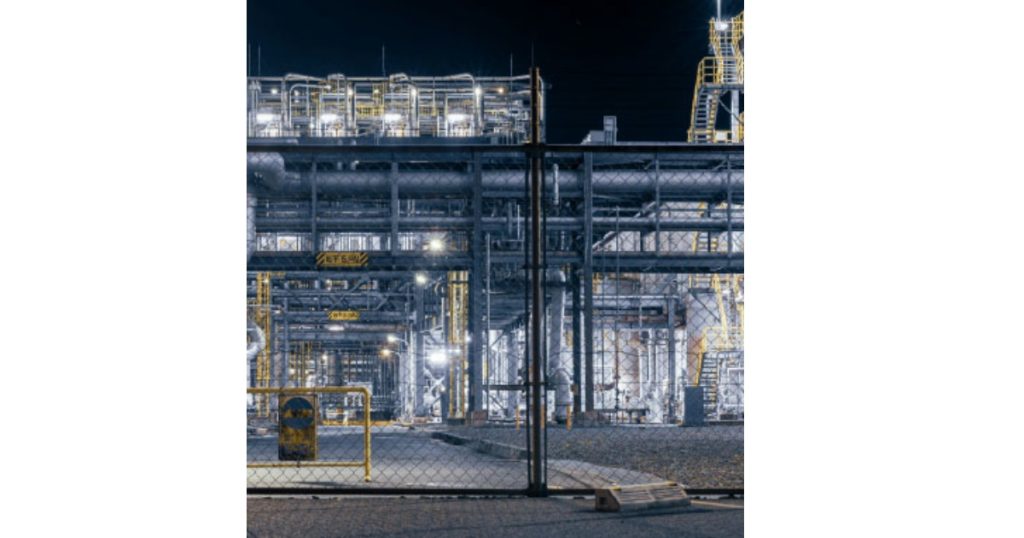
In facilities where flammable gases, vapours, or combustible particles may be present, lighting must be designed to minimize ignition risks. This is where explosion-proof lighting becomes critical.
Applications commonly include:
- Chemical Processing Plants
- Oil and Gas Facilities
- Refineries
- Marine Environments
- Wastewater Treatment Plants
- Manufacturing Plants Handling Volatile Substances
- Areas Exposed to Heavy Vibration
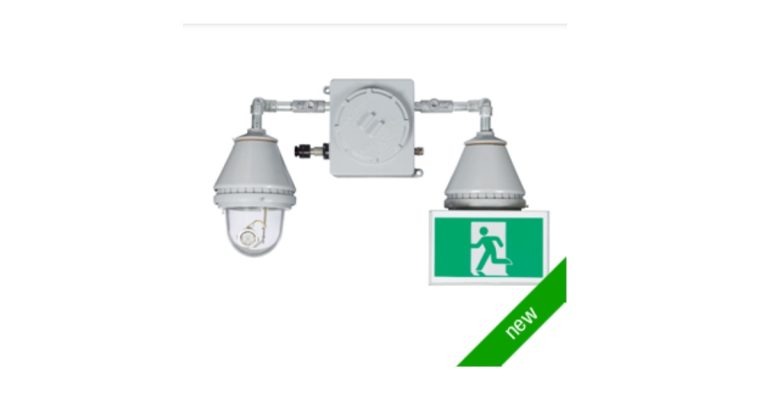
Unlike standard fixtures, explosion-proof lighting uses sealed, rugged construction to help protect internal electrical components and reduce the risk of ignition. Dependable illumination in hazardous environments supports safer operations and helps facilities maintain productivity under challenging conditions.
For environments where safety requirements are highest, explore CSC LED’s Explosion Proof Series.
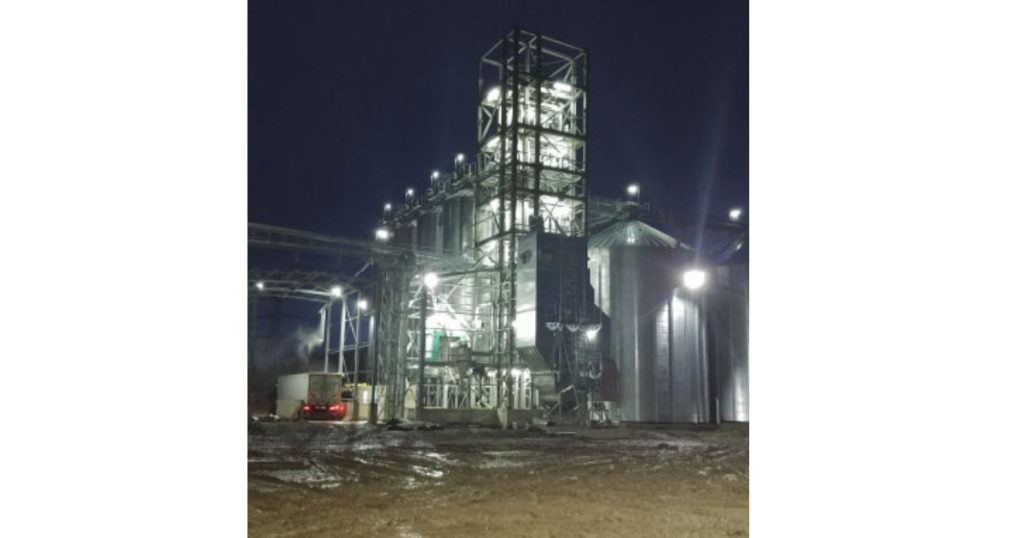
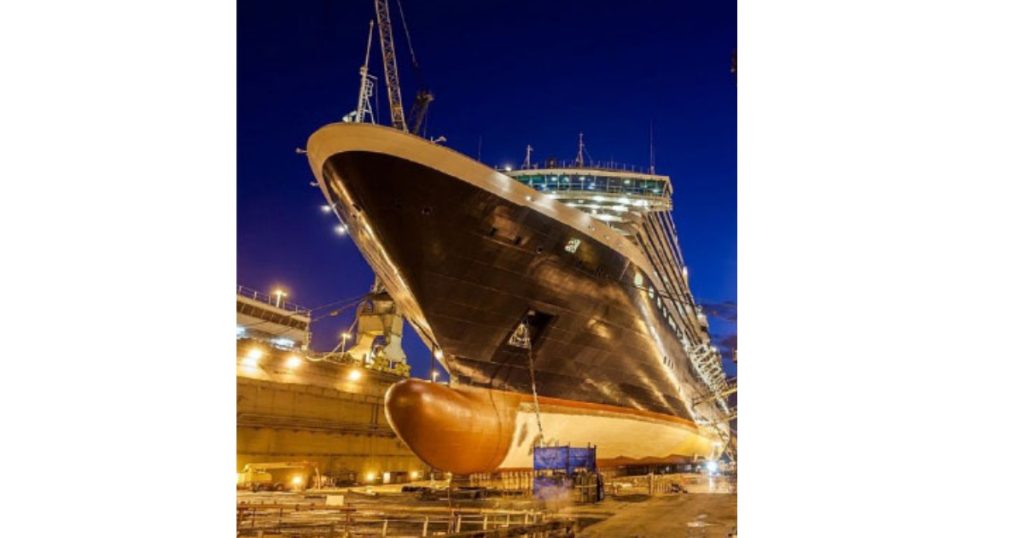
Moisture, Dust & Contaminants: Why Vapour Proof Fixtures Matter
Some industrial environments face constant exposure to moisture, dust, cleaning processes, or airborne contaminants.
Examples include:
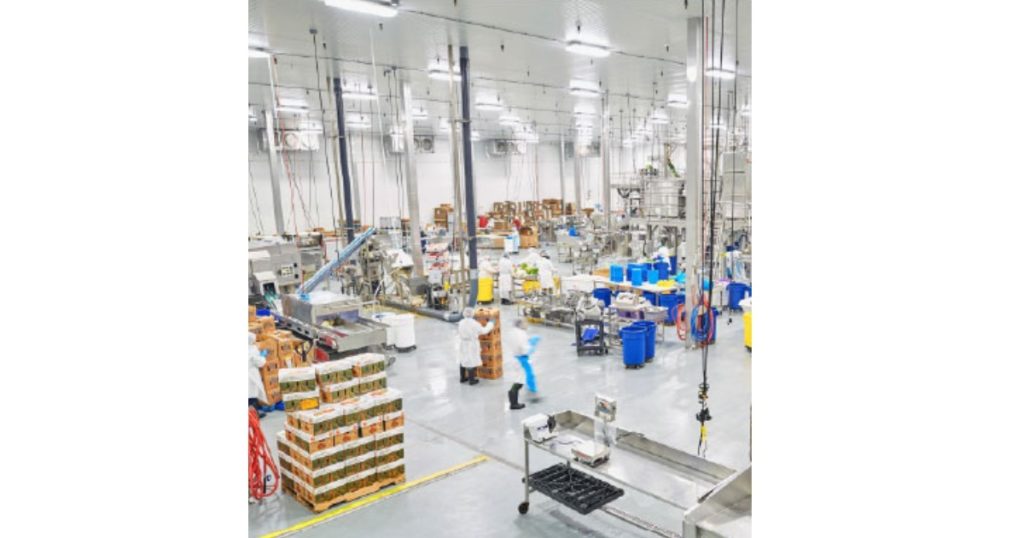
- Food Processing Facilities
- Warehouses
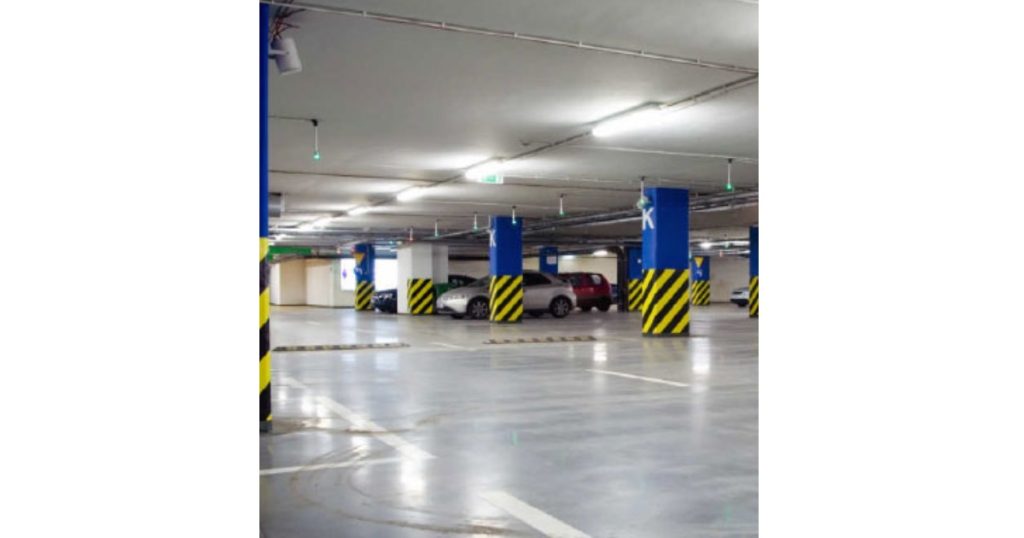
- Parking Garages
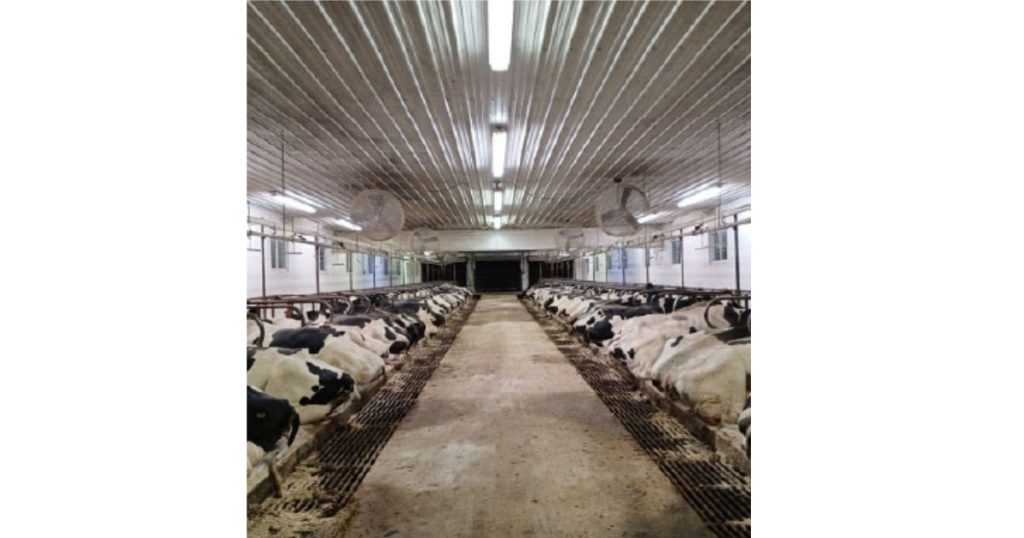
- Agricultural Operations
- Car Washes
- Utility Rooms
- Manufacturing Plants
These spaces benefit from Vapour Proof lighting, designed with sealed housings that help resist moisture intrusion, corrosion, and contaminant buildup. Their durable construction supports reliable illumination in environments where cleanliness and resilience are essential. Vapour proof fixtures are also well-suited for lower ceilings where broad, dependable lighting coverage is needed without single-point mounting requirements.
Learn more about CSC LED’s VT Vapour Proof Series.
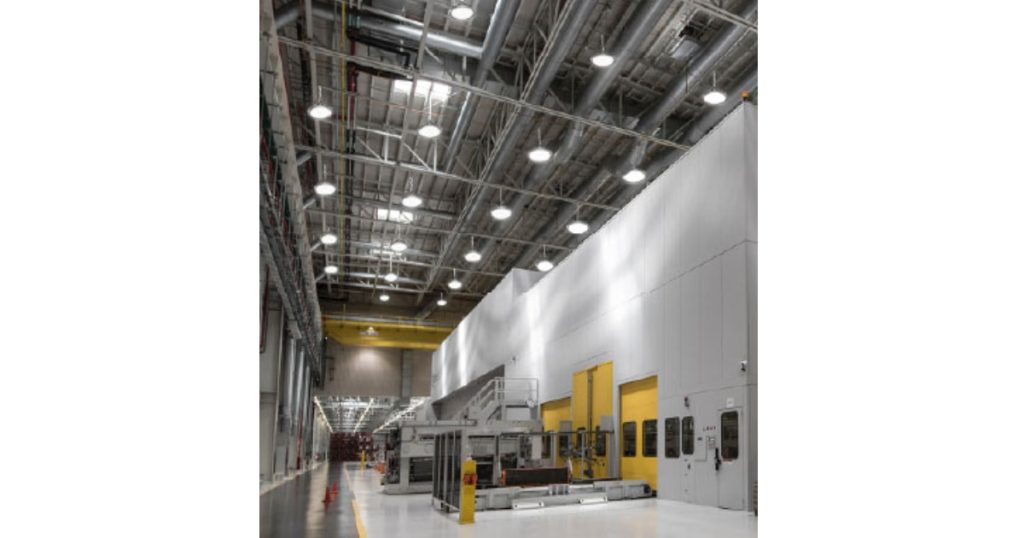
Large Industrial Spaces: The Role of Robust High Bay Lighting
High ceilings introduce unique lighting challenges. Poor illumination can create shadows, uneven light distribution, and reduced visibility across work areas.
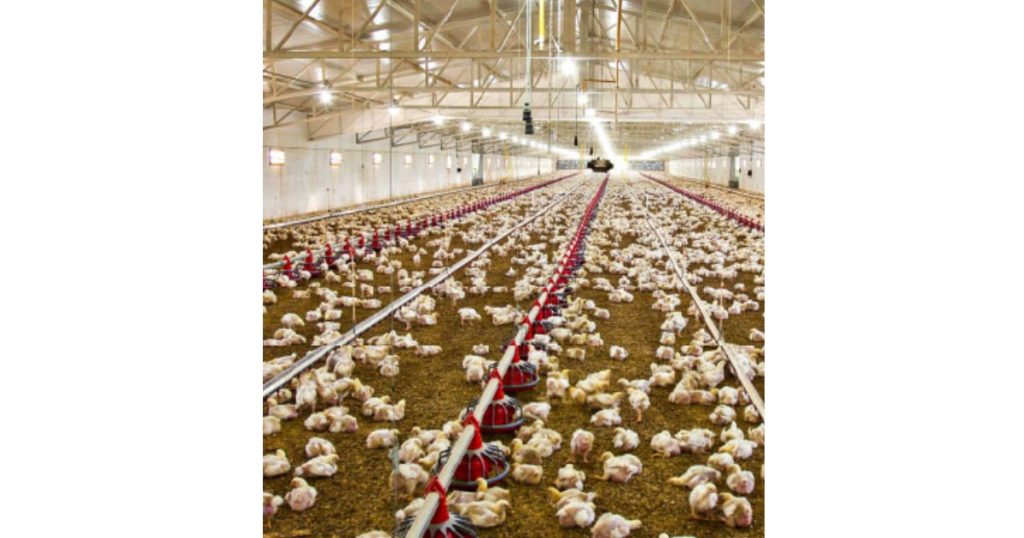
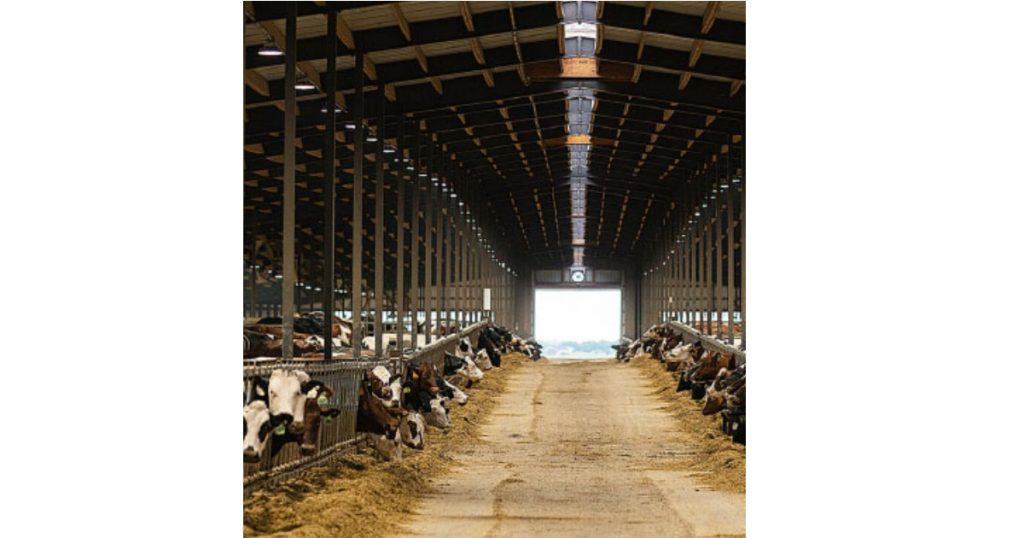
High Bay fixtures are designed to provide strong, efficient illumination for expansive spaces such as:
- Warehouses and Distribution Centres
- Manufacturing Facilities
- Food Processing Plants
- Poultry and Dairy Barns
- Horse Stables
- Agricultural Buildings
- Indoor Storage Facilities
Proper lighting in these environments contributes to:
- Improved Visibility and Safety
- Enhanced Operational Productivity
- Reduced Maintenance Frequency
- More Consistent Illumination Across Large Areas
Facilities with peaked ceilings or exposed infrastructure may require fixtures designed to adapt to more complex mounting conditions.
CSC LED’s HB8 High Bay Series is engineered for demanding high-ceiling applications requiring powerful, reliable performance.
Which Lighting Solution Fits Your Environment?
Different industrial and commercial environments present unique challenges. The table below outlines common conditions, key considerations, and the types of fixtures best suited for reliable performance.
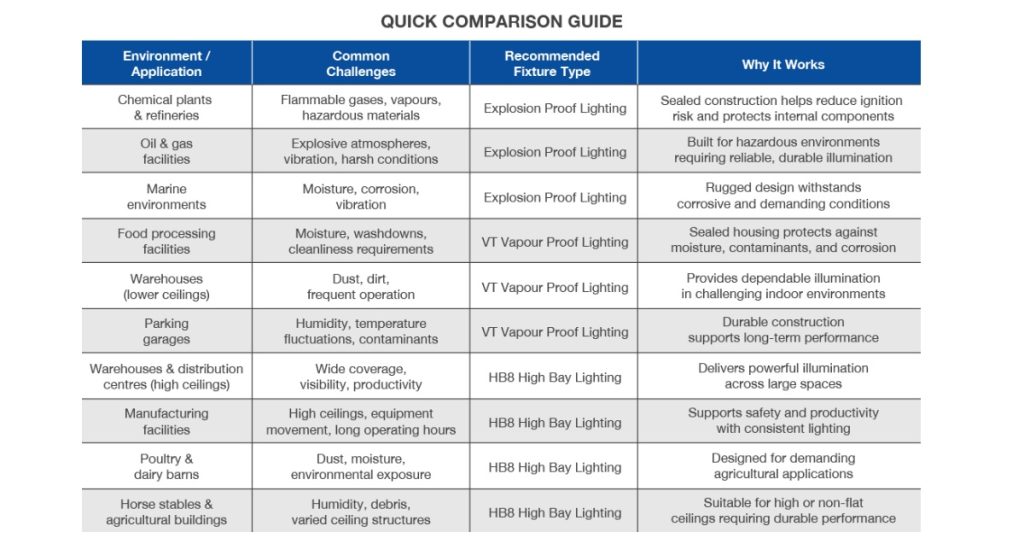
While some environments may appear similar, their lighting requirements can differ significantly depending on exposure to moisture, hazardous materials, ceiling height, or operational demands. Understanding these conditions is key to selecting fixtures designed to perform over the long term.
Beyond Brightness: What to Consider Before Choosing Industrial Lighting
Before selecting fixtures for demanding environments, evaluate:
- Environmental Exposure: Moisture, dust, chemicals, vibration, or hazardous materials
- Mounting Requirements: Ceiling height, infrastructure, and installation constraints
- Maintenance Accessibility: Can fixtures be serviced easily?
- Operating Conditions: Temperature fluctuations and hours of operation
- Safety Standards: Regulatory or environmental requirements specific to the facility
The best lighting solution is one designed around the realities of the environment—not just illumination levels.
Lighting Built for Tough Conditions
In demanding work environments, lighting supports more than visibility. It influences safety, reliability, productivity, and operational continuity. Whether navigating hazardous zones, moisture-prone facilities, or expansive industrial spaces, selecting fixtures engineered for the environment helps ensure consistent performance where it matters most.
Because in harsh conditions, dependable lighting isn’t simply an upgrade—it’s essential.
Learn more about the Importance of Hazloc LED Lighting for Safe Workplaces.
For more information on CSC LED lighting solutions HERE

Harsh Conditions Harsh Conditions Harsh Conditions Harsh Conditions Harsh Conditions Harsh Conditions Harsh Conditions