T5 vs. T8 Lights – What’s the Difference?

May 13, 2025
T5 vs. T8 Tubes: Which Is Best for Your Setting
T5 and T8 tubes are two popular options when it comes to creating the right ambiance and lighting in a house, business, or commercial setting. But were you confused about these two light tubes when talking with suppliers? Don’t worry! In this article let’s discuss T5 vs. T8 tubes thoughtfully, so that you can make the right choice for your business.
The Definition of T5 & T8 Lights
Both T5 and T8 lights refer to a specific measurement and size of a tubular-shaped LED lighting option. The main difference between T5 and T8 bulbs refers to the diameter. A T5 LED bulb will have a diameter of 5/8 inches, while a T8 tube will reach a diameter of 1 inch. The “T” refers to the measure of 1/8 inch. So, 5/8ths would be T5, and 1 would be T8 – equal to the number of eighths in their diameters.
The Difference Between T5 & T8 Lights
Besides the T-factor measurement that differentiates T5 vs. T8 lights, there are other aspects you should consider.

1. Length of Tube
Both lights will have similar standard-length features. The T8 LED tube tends to come in 2, 3, 4, and 5-foot lengths as these are frequently used in commercial settings requiring a lot of light. The T5 option tends to be a bit shorter due to its smaller diameter, but it should have different length options depending on the supplier you are using.
No matter where you get your LED lights from, make sure the manufacturer, retail shop, or distributor includes an accurate length measurement, as both T5 and T8 lights are used in many display situations.
2. Lumen Output Capabilities
Luminosity is going to matter when making a comparison between T5 and T8 LED tubes. T8 tubes have a much higher lumen output than their T5 counterparts, and that’s the reason why T8 is more suited for commercial settings like a school, restaurants, grocery stores, movie theaters, etc. In other words, if you are looking for a darker light setting for your longer LED tubes, choose T5, it won’t be overwhelming to the eyes in a high-contrast area.
3. T5 vs. T8 Color Temperatures
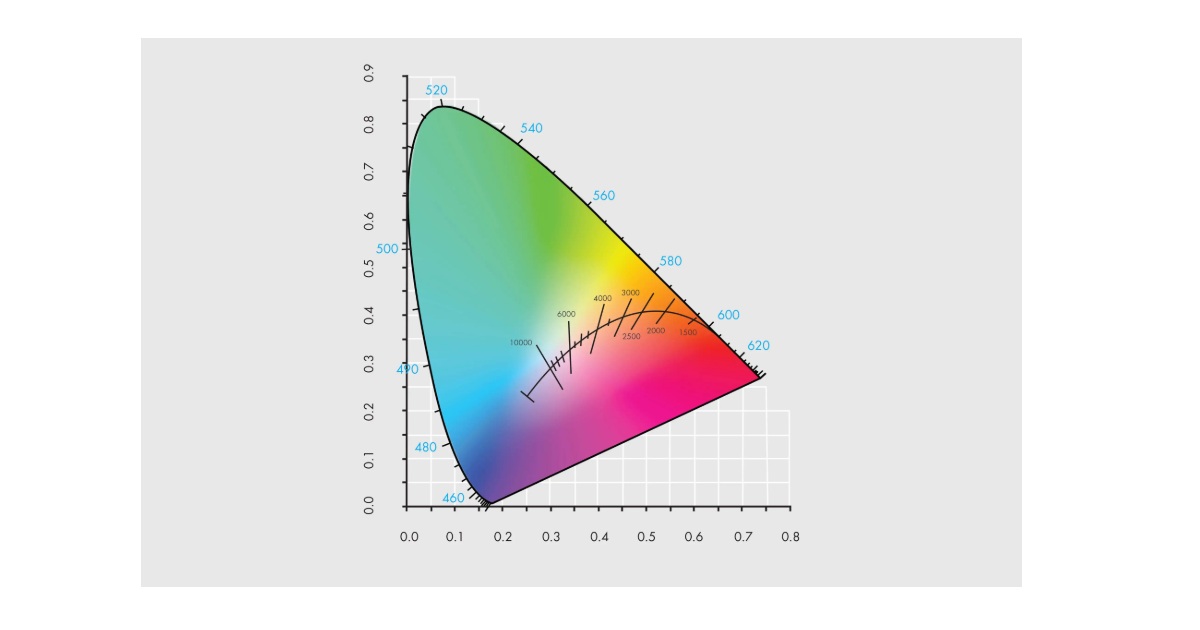
Both T5 and T8 LED tubes are available in a variety of color temperatures. However, if you consider the lumen output on top of color temperature, you should stick to a general rule of using a T8 in industrial/commercial settings and a T5 in the home office or residential needs.
The good news is that most modern manufacturers like LEDVANCE offer plenty of variety and control options to ensure your LED light experience is rewarding and specific to your unique desires.
4. Cost of Tube
There is a sharp contrast between the two LED tube options. T5 bulbs are likely to be more expensive than T8 bulbs. It is because T5 produces as much light in a smaller area while using fewer bulb resources.
Yes, the T5 bulbs do not require as much maintenance, which will help to save in the long term over the increase in retail pricing. The best strategy is to work with a reliable supplier that offers quality and durable T5 and T8 lights, so you don’t have to replace them frequently.
5. Light Application
Besides the length and luminosity of the T5 vs. T8 lights, the way you apply their lumens is a significant factor. T5 bulbs are likely to be used in slim fixtures, under-cabinet lighting, display options, or smaller spaces. That is why they often have exceptional luminosity even though they are in a smaller form factor. T8 LED bulbs are used in ceiling fixtures, troffers, high bay lighting, and commercial or industrial applications. These offer cost-benefit improvements over traditional incandescent or fluorescent lighting options.
Bonus Tips: LED Tube Light vs. Fluorescent Tube Light – Which is Better?
- Energy Efficiency & Durability – LED tube lights are more energy-efficient and have a longer lifespan than fluorescent tube lights. That means less electrical expense with fewer needs for replacement, offering significant cost advantages.
- Eco-Friendly Lighting – LED tube lights contain no harmful substances, making them environmentally friendly. Fluorescent tubes contain mercury or other toxic substances that can be damaging to human contact as well as contaminate landfills.
- Better Control – T5 vs. T8 lights both offer instant on that eliminates the annoying flickering you would typically get from a fluorescent light. Many people can remember growing up and having their parents turn on the garage or storage room light which takes 20 seconds to fully illuminate because of flickering. That isn’t present with T5 and T8 bulbs.
Conclusion
The right LED tube light depends on your lighting needs and preferences for your home, business, or commercial space. The difference between T5 and T8 lights depends on where you want to use them. While T5 tubes are more suitable for compact spaces and offer a more comprehensive range of color temperatures, T8 tubes are brighter and more cost-effective in more extensive settings.
Ultimately, the decision between LED types of bulbs and fluorescent tube lights comes down to energy efficiency, lifespan, and overall performance. Hopefully, this equips you with all the details you need to make a well-informed buying decision.