Navigant Research Ranks Signify as Global Leader for Smart Street Lighting
August 3, 2018

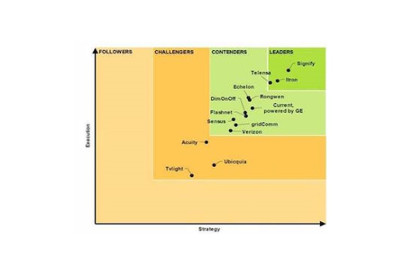
Industry analyst firm Navigant Research’s new report, Navigant Research Leaderboard: Smart Street Lighting, ranks Signify as the leader for smart street lighting globally. Signify became the new company name of Philips Lighting as of May 16, 2018.

Navigant Research defines smart street lighting as “a general label for the use of advanced technologies for the efficient operation, monitoring, and management of street lighting within a smart city strategy.” Smart street lighting is enabled by a variety of technologies, including sensors, control nodes, gateways, cameras, wireless communications, and data analytics.

Navigant’s Smart Street Lighting Leaderboard report assesses 14 suppliers of connected street lighting globally on such criteria as

  • go-to-market strategy
  • partners
  • product strategy
  • geographic reach
  • market presence
  • sales
  • marketing and distribution
  • product features and portfolio
  • product integration
  • staying power

Signify is ranked as the overall leader with leadership in strategy and execution.

Navigant Research estimates the global market for smart street lighting to be worth US$837.4 million in 2018. Annual smart street lighting revenue is expected to grow to nearly US$8.3 billion globally by 2027, representing a compound annual growth rate (CAGR) of 28.9%.

Signify was rated highly across all criteria for smart street lighting. According to the report, “Signify’s background as a lighting company that offers end-to-end systems gives it an advantage over most of its competitors.” It also noted the success of the company’s Interact City LED connected street lighting system and management software, which has been deployed in more than 1,000 projects in 37 countries.

The report further illustrates Signify’s leadership in smart lighting technologies, and underlines its position as the lighting company for the Internet of Things. An executive summary of the report is available here: www.navigantresearch.com/research/navigant-research-leaderboard-smart-street-lighting.

Related Articles


Changing Scene


Design

  • Beta Calco: Exploring Tunable White Technology for Human-Centric Spaces

    Beta Calco: Exploring Tunable White Technology for Human-Centric Spaces

    As understanding of light’s impact on human health and performance deepens, the lighting industry has evolved beyond simple on-off illumination to embrace dynamic solutions that respond to human biological needs. This represents a more nuanced, human-centric approach. At the forefront of this shift is Tunable White technology—a transformative approach that allows users to adjust the color temperature… Read More…

  • Stanpro: 3 Tips to Ensure Efficient Lighting for a Hairdressing Salon

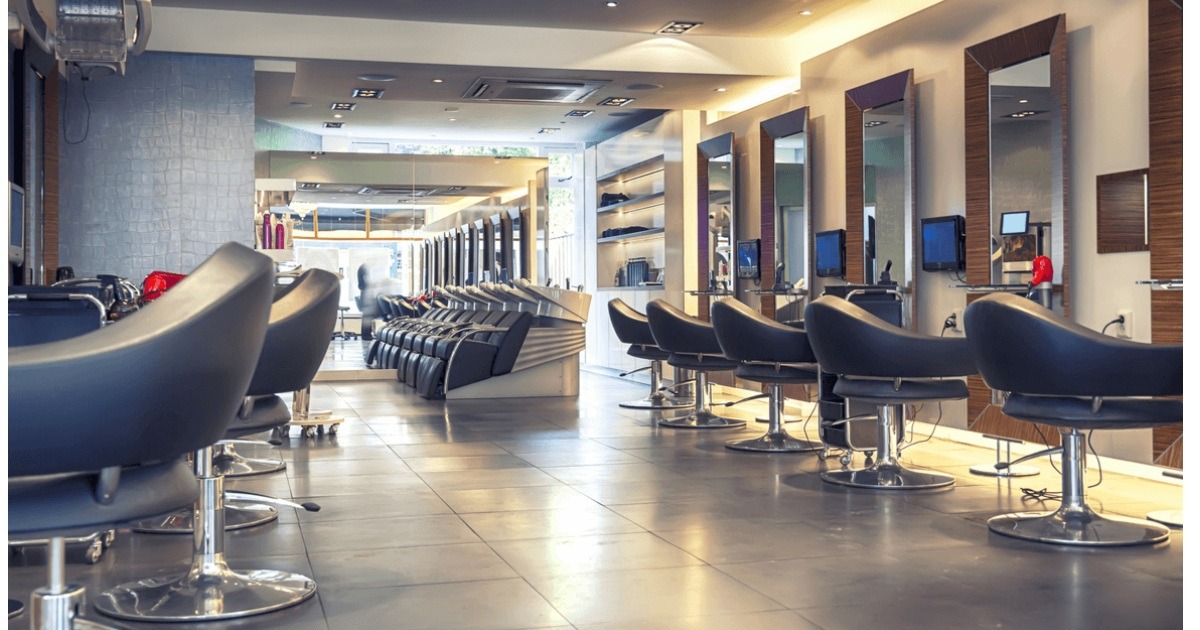
    Stanpro: 3 Tips to Ensure Efficient Lighting for a Hairdressing Salon

    Remember your last hair appointment: you’re in the waiting room. Perhaps you’re reading a book or magazine while you wait your turn. You’re watching the hairdressers as they cut, style and dye your hair. Have you ever wondered about salon lighting? Indeed, all these activities entail specific lighting requirements: hairdressers need to be able to… Read More…


New Products

  • Magic Lite: LED Regressed Down Light (CCT)

    Magic Lite: LED Regressed Down Light (CCT)

    Designed for remodel and new construction, LED Regressed Down Lights CCT are a versatile and affordable choice for countless applications. Dimmable and tuning through an app. These LED Regressed Down Lights are available in two great options: CCT adjustable with slider selector switch (2700K/3000K/4000K) set and forget or CCT adjustable dynamic range with Bluetooth technology… Read More…

  • Metalumen: Scene Medical Photo Graphics Surface (SCEM)

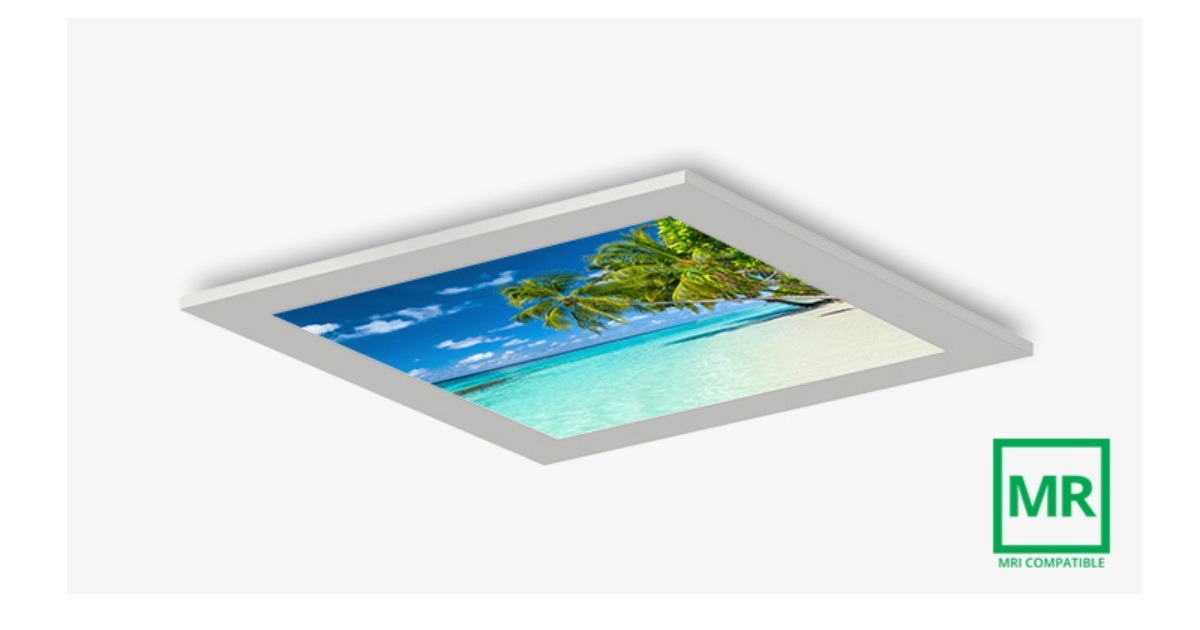
    Metalumen: Scene Medical Photo Graphics Surface (SCEM)

    With ambiance, visual interest, uplifting energy and soothing influence, Metalumen’s Scene Photo Graphics (SCEM) luminaires combine cutting edge technology with good lighting practice. Studies have shown the positive effect of imagery, especially in healthcare facilities, on human wellness and reduction of anxiety and stress levels. This methodology is used in patient rooms and MRI facilities… Read More…