Rollback of Light Bulb Standards Would Cost Consumers Billions
February 11, 2019
A plan announced by the U.S. Department of Energy on February 6 to rescind the expansion of energy efficiency standards for light bulbs would cost consumers billions of dollars and increase pollution that harms public health and the environment, says the American Council for an Energy-Efficient Economy.
The expansion, a rule published after a multi-year public process in January 2017, requires that a range of common, every-day light bulbs, including reflector, globe-shaped and candelabra, meet minimum efficiency standards, beginning in January 2020. Nearly three billion sockets in U.S. homes contain these types of bulbs. Today’s LED light bulbs meet the upcoming standards, but incandescent bulbs do not.
In its rush to deregulate, the Trump administration is hurting consumers’ pocketbooks and public health, says the statement. Based on an analysis published in an issue brief last summer, this rollback plan would impose a heavy burden:
- consumers would lose at least US$12 billion each year in electricity bill savings by 2025, amounting to about US$100 per household per year
- U.S. electricity use would increase by 80 billion kWh per year — about the combined usage of all households in Pennsylvania and New Jersey
- this additional energy waste would cause more power plant pollution, which harms the environment and contributes to health problems like asthma. Pollution increases would include an extra 19,000 tons of nitrogen oxides, 23,000 tons of sulfur dioxide, and 34 million metric tons of climate-changing carbon dioxide emissions each year by 2025 — the annual CO2 emissions equal to that of more than seven million cars.
The government’s plan would also stifle innovation, eliminating a powerful regulatory incentive for manufacturers and retailers to invest in high quality, energy-efficient LED light bulbs. LEDs (light emitting diodes), already a great deal for consumers, are available in a wide range of shapes, sizes, color and light output. LEDs cost slightly more than other bulbs, but they pay consumers back through lower electricity bills within a few months, and last 10 years or longer.
The draft rule is open for public comment for 60 days. The rollback plan is most likely illegal, violating a federal law that prohibits the Department of Energy from weakening efficiency standards for products such as light bulbs, and will almost assuredly draw legal challenges.
The plan does not affect the 2007 law that requires A-lamps — the traditional pear-shaped light bulbs that occupy an additional three billion sockets in US homes — to meet the 2020 standards. But DOE is scheduled to issue a subsequent rule in 2019 that may attempt to roll back standards for those light bulbs too.
Read the analysis here: appliance-standards.org/blog/will-trumps-doe-soon-propose-rollback
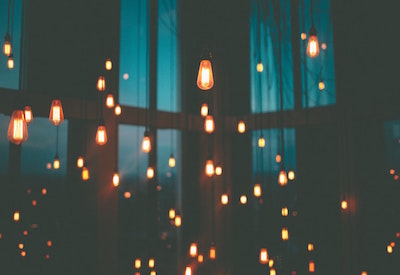
Photo source: Dil on Unsplash: www.instagram.com/thevisualiza