Mac’s II Agencies: Who Moved My Light? The Unfiltered Truth About Coordination
June 15, 2026
A Candid Panel Discussion: Who Moved My Light? The Unfiltered Truth About Coordination, Compromise & Protecting Design Intent
Lighting doesn’t “move” on its own.
But if you’ve ever walked onto site and thought, “Why does this feel different than what we designed?,” you already know the real story: design intent shifts when communication, timelines, budgets, and ceiling realities collide.
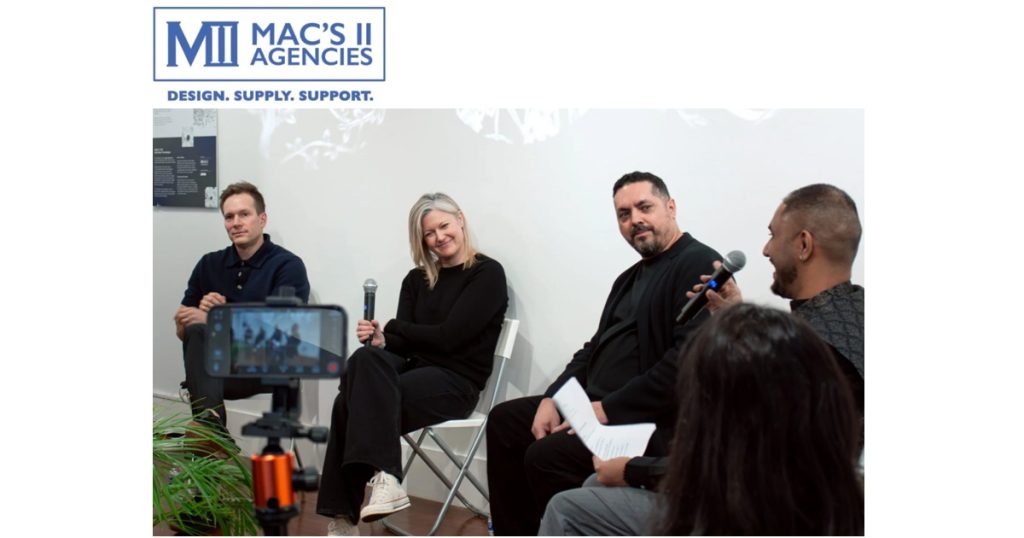
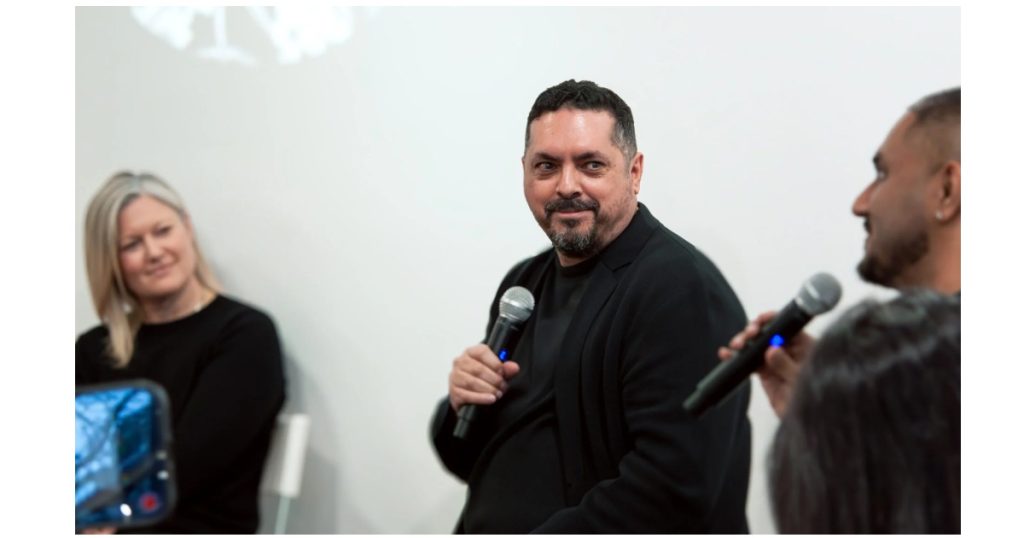
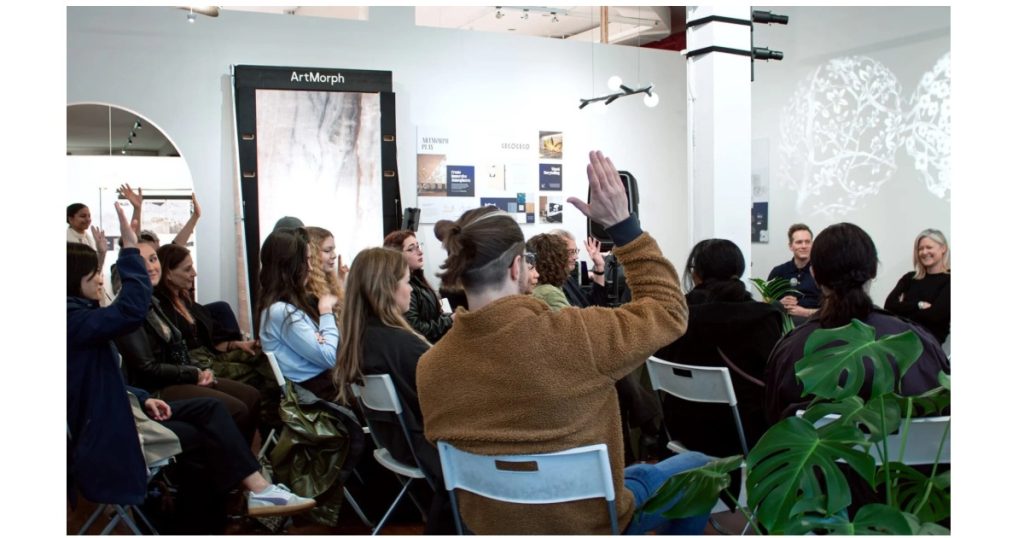
As part of the Lumorphéa exhibition in March, Mac’s II Agencies hosted Who Moved My Light—a candid panel discussion moderated by Sai (”Your Lighting Guy”) Venkat, bringing together some of the most respected voices in their design community:
- Victor Quezada, Principal + Architectural Lighting Team Lead, AES Engineering
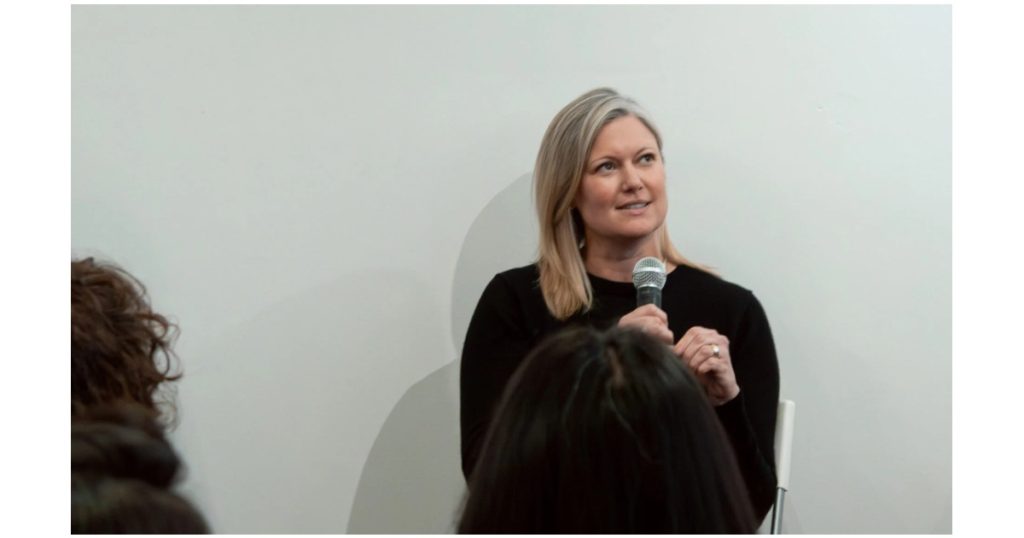
- Andrea Greenway, Senior Interior Designer, Ste Marie Studio
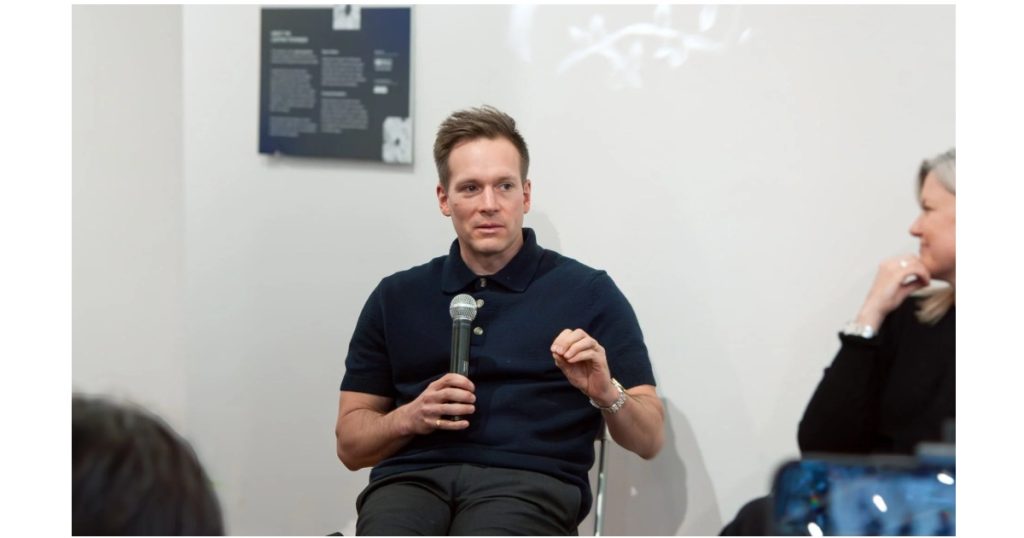
- David Guenter, Senior Associate, SHAPE Architecture
These are practitioners who don’t just talk about design—they deliver it, defend it, and (when needed) fight for it.
Quick Answers (The Stuff Everyone Wants to Know)
- When Should Lighting Enter the Design Conversation? The panel landed on “as early as possible,” with Victor calling it straight: “Schematic design. We want to be there for costing big time.”
- What Breaks Design Intent Most Often? Not one single thing. It’s usually a combination of fee, timing, coordination, and late-stage alternates.
- Who Gets Blamed When Things Go Sideways? The room answered in unison: “Mechanical.” But Andrea quickly made it more nuanced: “There’s no fee to coordinate that as well as it needs to be done… and a lot of clients don’t see the value in that.”
1) The Ceiling Is Where Good Ideas Go to War
If there’s one theme that echoed all night, it’s this: the ceiling is never “just a ceiling.” It’s a system—ducts, sprinklers, structure, lighting, life safety—and it’s where beautiful concepts either become beautifully resolved… or painfully compromised.
The panel didn’t sugarcoat the reality of coordination: “There’s no fee to coordinate that as well as it needs to be done,” Andrea said—then painted the picture everyone in the room recognized: “When you get to site and the sprinklers over there and the ducts over there and the grill’s over there, I’m like, why does this look bad?”
And even when you do coordinate, Sai nailed the pressure point: the turnaround after coordination is “so unrealistically small.”
2) Budget Isn’t the Villain—Surprise Budget Is
Every project has constraints. The problem is when the constraints arrive late—or when decisions get made without a clear reference point.
Andrea shared one of the most useful “real-life” tools of the night: a comprehensive pre-design process. Their team at Ste Marie Studio builds a document with “a real flavour for the project… a real look and feel and a soul to it,” backed by research and references. When value engineering hits, the team can point back to what everyone agreed on and essentially say: “Get back in the box.”
Because without that record, things get personal fast. As Sai put it: otherwise it becomes a “he said / she said / they said” moment, and that’s when intent starts slipping through the cracks.
3) “Alternates” Are Where Intent Goes to Die (Unless You Protect It)
Design intent doesn’t disappear in one dramatic moment—it erodes.
It erodes when alternates get proposed without truly matching performance, optics, maintenance requirements, or the experience of the space.
A recurring point from the panel: rigorous documentation and review processes aren’t bureaucracy, they’re the only leverage a design team has when the project hits tender and substitutions start “sneaking in.”
4) Lighting Isn’t an Accessory—It’s the Experience
The most compelling thing about this discussion wasn’t a product or a trend—it was a shared belief: a space can have incredible architecture and materials, but if the lighting is wrong, the experience is wrong.
Lighting shapes mood. It shapes orientation. It tells you where to look and how to feel. When it’s done well, people rarely point at it. They just feel good in the space.
5) The “Rich” Part: Collaboration That Protects the Work
One of the clearest closing sentiments from the panel wasn’t about a fixture or a detail, it was how much easier it is to protect design intent when the team has genuine trust.
When Sai asked the panelists for “one word” to describe working together, David Guenter answered immediately: “Rich.” Andrea Greenway’s word was “joyful.” And Sai named the practical impact: when you’ve got an A-Team in your corner, confidence goes through the roof—especially when budgets tighten and timelines compress.
Andrea described what that looks like on real projects: having people you can call who are at the top of their game, who can give you a quick “yes” or “no” before a small issue turns into a big compromise is invaluable.
Rapid-Fire Honesty (Because We All Needed the Laugh)
The panel’s rapid-fire segment delivered the kind of lines that are funny because they’re painfully true:
- Overused Lighting Trends: Downlights, linear light, clear globes
- Most Over-Rendered Concept: Backlit marble (David’s answer was so fast the room lost it)
- Most Unrealistic Client Expectation: Timing (with a bonus vote for budget)
- Site Phrase That Makes You Nervous: A general contractor saying, “So yeah, I redid the RCP… let’s go take a look.”
And then there was the one that deserves to live on:
Andrea shared her code phrase when walking into a space with harsh lighting: “Oh, that’s GAF.” (Glary As F*ck.)
Funny, but also telling. The industry is racing, and we’re still expected to deliver perfection.
The Takeaway: The Best Projects Don’t Avoid Constraints—They Manage Them Early
If you want a project to feel like the renderings, the key isn’t “hope.” It’s process:
- Bring lighting in early enough to influence concept and costing
- Coordinate ceilings with realistic time and fee
- Treat alternates like a design decision—not a line item
- Document the narrative so the project has a “north star”
- Build real trust across the team so design intent holds up when budgets and timelines tighten
If this topic hit home, Mac’s II Agencies has turned the biggest lessons from this panel into a practical playbook designers can use on live projects.
Reach out to Mac’s II Agencies and connect HERE
For more information on Mac’s II Agencies solutions HERE


Panel Discussion Panel Discussion Panel Discussion Panel Discussion Panel Discussion Panel Discussion Panel Discussion Panel Discussion Panel Discussion Panel Discussion Panel Discussion Panel Discussion Panel Discussion