EB Horsman & Son: Safer Streets After Dark – What to Check Before Your Next LED Roadway Lighting Project
November 13, 2026
Safer Streets After Dark: What to Check Before Your Next LED Roadway Lighting Project
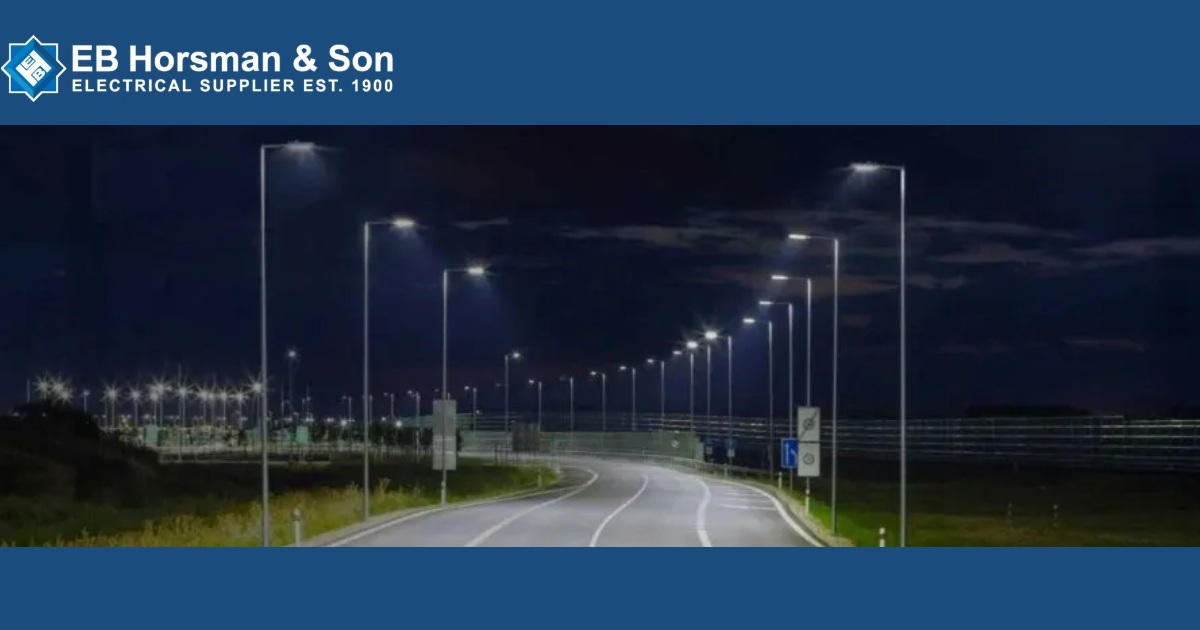
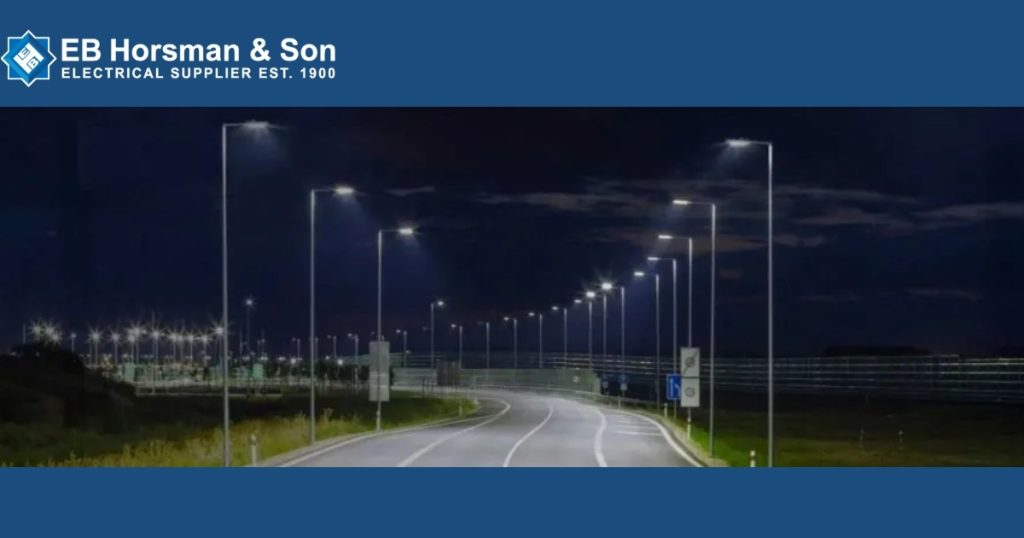
Not many things affect road safety after dark as much as lighting. It helps drivers spot pedestrians, see what’s happening at intersections and react to hazards at night. And with longer hours of darkness in November, more of the daily commute happens under streetlights.
But good LED street lighting is about more than just brightness! Optics, pole spacing, mounting height and glare all affect whether drivers and pedestrians can actually see one another.
With the nights getting longer, they thought it was a perfect time to take a closer look at roadway lighting. Here’s what to think about on your next new install or LED upgrade.
What Makes Good Roadway Lighting?
Good roadway lighting needs to get a few things right: even light coverage along the road, controlled glare, clear visibility of pedestrians and other road users, and reliable performance with easy maintenance.
A streetlight’s output and optics, pole spacing, mounting height, road layout and controls all affect whether the lighting meets these goals. Some of those, like pole spacing on an existing street, are fixed.
The luminaire is where you have the most control, and its optics are a good place to start.
A luminaire’s light distribution – in tandem with pole spacing, mounting height and output – determines how evenly light covers the road. More output doesn’t make up for the wrong distribution, which can still leave dark patches between poles or throw glare at oncoming drivers.
On retrofits, this gets a bit trickier. Previously, existing pole spacing was usually designed around the old high-pressure sodium (HPS) or metal halide heads, and an LED luminaire with tighter, more controlled optics may not spread light the same way. Matching the distribution to the existing layout is key to keeping coverage even.
A Type II distribution throws a fairly narrow, long pattern that suits narrower streets. A Type III distribution pushes light farther across the road, so this is worth considering for wider streets and anywhere you need more side-to-side coverage.
Those types are just a starting point. Pole spacing, mounting height, road width and fixture output all change the final result. Running photometric calculations against guidelines like the TAC Guide for the Design of Roadway Lighting or ANSI/IES RP-8 confirms the layout will perform before anything goes up. For glare and light spill, a fixture’s BUG rating (backlight, uplight, glare) gives you a quick way to compare options.
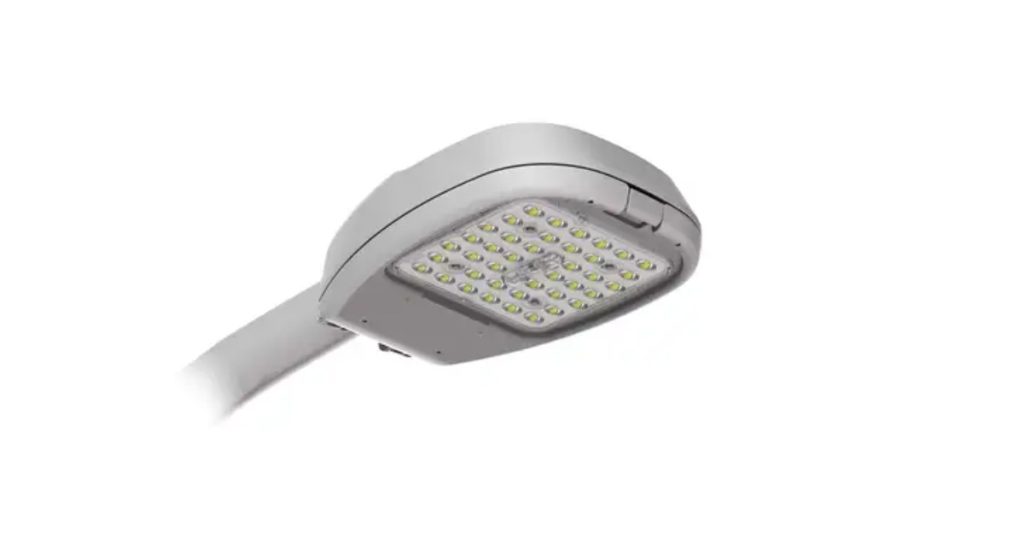
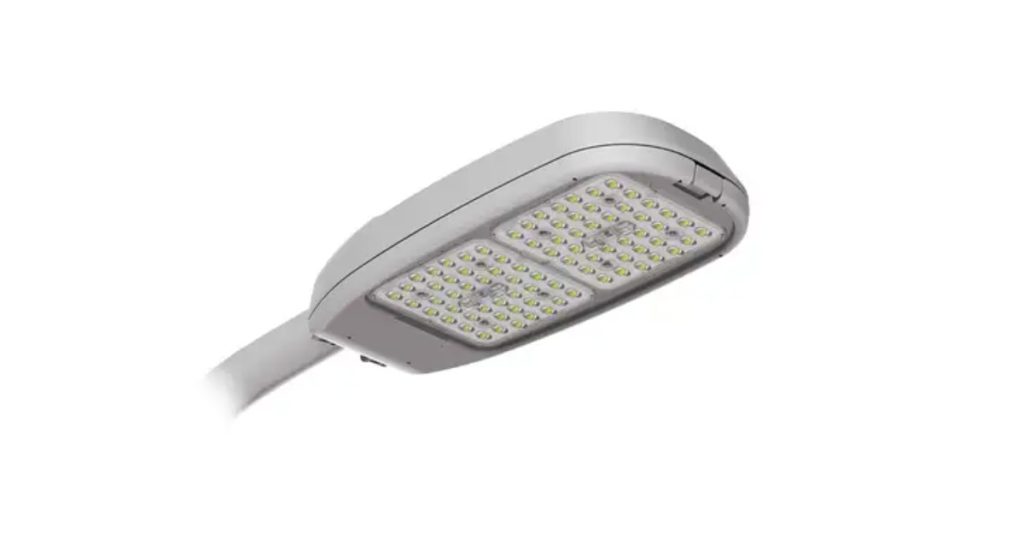
The Lumec RoadFocus Plus family comes in a range of wattages, colour temperatures and optics for different roadway applications.
- Lumec RoadFocus Plus 60W Small Cobra Head Roadway Luminaire
- Lumec RoadFocus Plus 200W Medium Cobra Head Roadway Luminaire
For more on Lumec’s roadway lighting technology, check out their guide to Lumec roadway lighting solutions HERE.
LED Lighting Makes Pedestrians Easier to See, Too
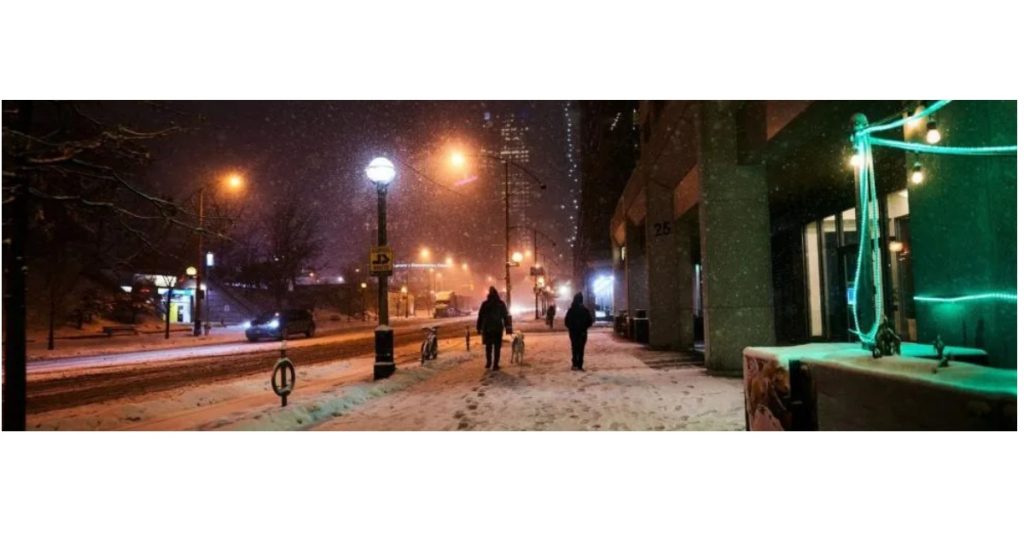
A crosswalk can look well lit from the sidewalk and still leave pedestrians hard to see from behind the wheel. The trick is getting light onto people, and not just on the pavement under them. This is where vertical illuminance comes in.
Horizontal illuminance measures light hitting the road surface. Vertical illuminance measures light hitting upright surfaces, like a person.
Fixture placement matters as well. A light directly over a crosswalk may light the road but leave pedestrians in shadow from the driver’s point of view. Depending on the layout, placing fixtures on the approach side of the crossing can light people from the front and make them much easier to spot.
Intersections add more to think about, with traffic coming from several directions, turning vehicles, pedestrians and existing light sources all in play.
For these jobs, EB Horsman & Son’s Lighting Division can run photometric modelling to find gaps in coverage, keep glare in check and confirm the layout meets local requirements.
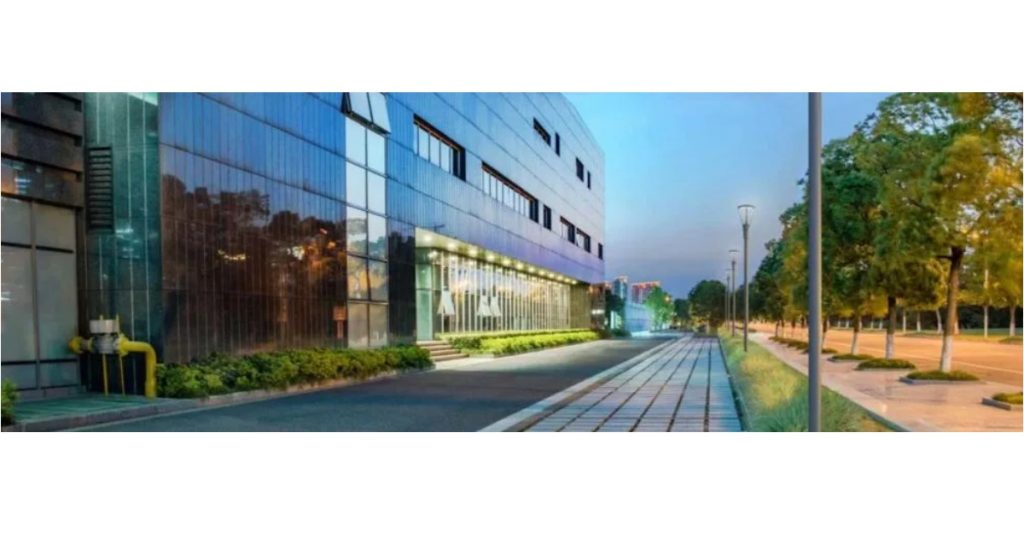
Street Lighting for Safety: Don’t Forget Parking Lots, Pathways and Access Roads
Parking lots, commercial access roads and pathways all mix vehicles and people, and they don’t all need the same kind of lighting.
A pathway through a park or commercial property usually calls for softer, controlled light at pedestrian scale. A busy parking lot needs wider coverage, with attention to entrances, traffic flow, walking routes and neighbouring properties.
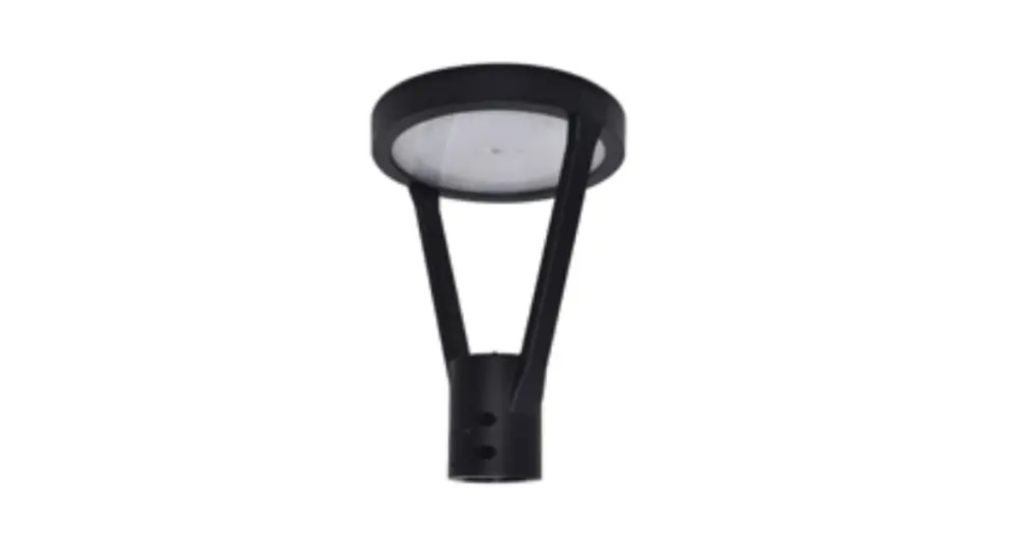
For pathways and landscaped areas, post-top fixtures like the Keene LED Post Top are a good fit for pedestrian-scale lighting.
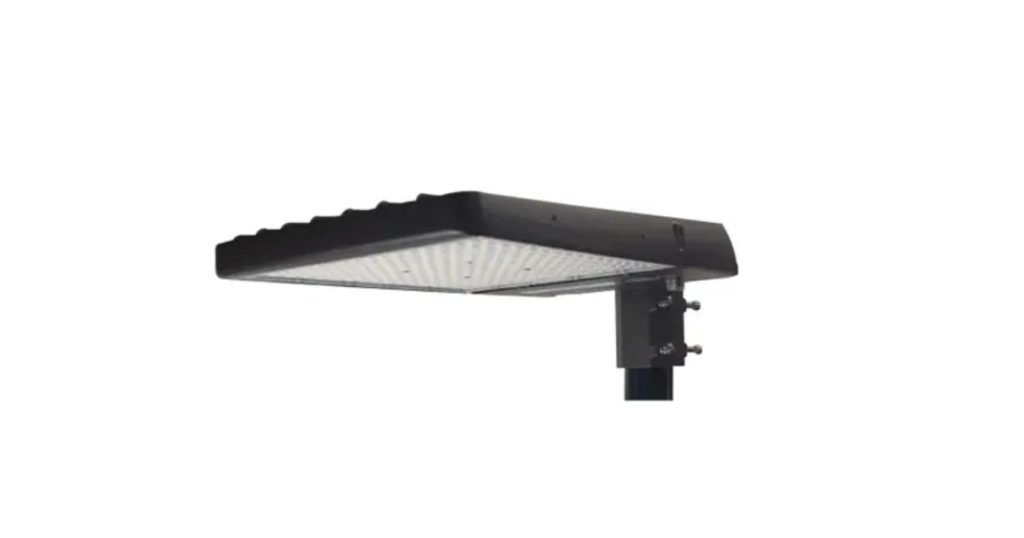
For larger sites, roadway and area lighting fixtures with adjustable output and optics can make product selection easier.
The RAB JAGUAR LED Area Light has selectable wattages, colour temperatures and Type III, IV and V distributions, so you can set it up to match the site.
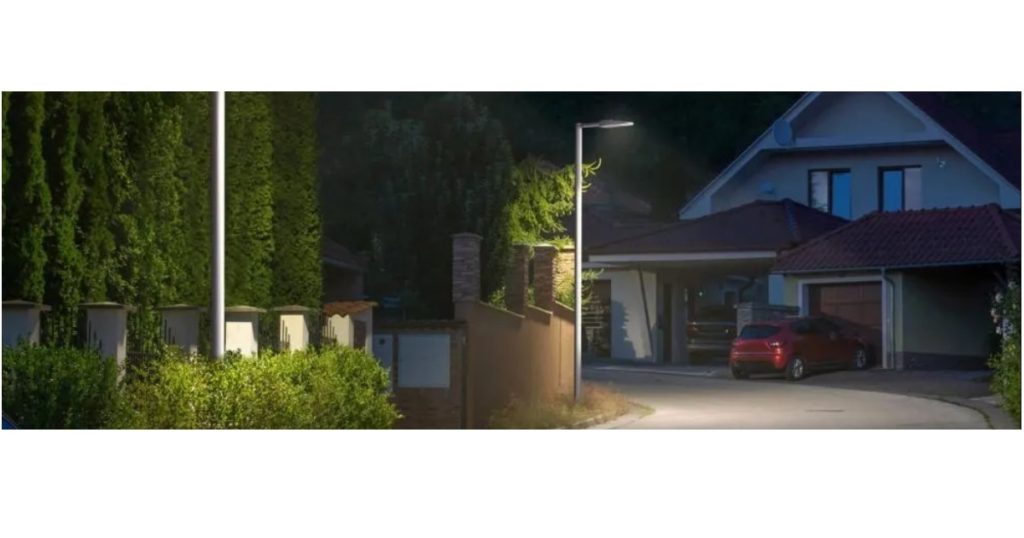
Planning an LED Streetlight Upgrade?
Swapping out old high-pressure sodium or metal halide streetlights for LED cuts energy use, stretches out maintenance intervals and gives you better control over where the light goes. But a good retrofit takes more than a one-for-one swap.
Before ordering replacements, check:
- Pole heights and spacing
- Mounting setup
- Electrical supply
- Existing controls
An upgrade is also a chance to fix what wasn’t working. Different optics can even out coverage, and dimming or networked controls can cut energy use during quiet hours. Areas that were always poorly lit may need a revised layout, not just new fixtures.
If you’re replacing cobra heads, the Lumec RoadFocus Plus range above covers a wide spread of wattages and optics.
Send them the existing fixture model numbers and their Lighting Division can help match replacements to your poles.
Choosing LED Roadway Lighting: What to Check Before You Order
Whether it’s a new install or a retrofit, having the right site details on hand makes it much easier to narrow down your options.
| Category | What to Check |
| Mounting and Existing Infrastructure | Pole height and spacing, mounting arms, fixture weight, electrical connections |
| Optical Distribution | Road width, fixture placement and required coverage. Compare actual photometric performance, not just Type II, III or IV labels. |
| Lighting Performance | Required light levels, uniformity, vertical illuminance where pedestrians are present, glare (BUG rating) and light spill |
| Electrical Requirements | Supply voltage, fixture wattage, surge protection and fit with existing circuits |
| Lighting Controls | Photocells, dimming and possible integration with networked lighting systems |
| Maintenance and Longevity | Environmental ratings, cold-weather operating temperature, service life, warranty and future replacement needs |
For more fixture options, check out EB Horsman & Son’s LED Lighting Guide, including its selection of area and roadway lighting products.
Distribution Near You: EB Horsman & Son Is Your All-Season Electrical Supplier
Winter weather can create unexpected challenges for lighting projects and maintenance schedules. A dependable supply partner helps keep work moving. With distribution centres in BC and Alberta, EB Horsman & Son keeps lighting, safety and electrical products stocked and moving efficiently across Western Canada.
Frequently Asked Questions
What Are the Benefits of LED Streetlights Over Traditional Lighting?
LED streetlights generally use less energy, last longer and offer more precise control over light distribution than older high-pressure sodium or metal halide fixtures. That can mean lower operating costs, less maintenance and better visibility.
What Colour Temperature Is Best for LED Streetlights?
Both 3000K (warm white) and 4000K (neutral white) are commonly used for LED street lighting. Warmer light may be preferred in residential areas to limit light pollution and reduce the impact on surrounding properties.
Can Existing Streetlights Be Upgraded to LED Without Replacing the Poles?
Often, yes. Many LED roadway luminaires can be installed on existing poles and mounting arms. Before selecting replacements, check the mounting configuration, pole loading capacity, supply voltage and existing controls. It’s also important to review light distribution, since a direct replacement won’t necessarily deliver the same coverage.
How Do I Choose the Right LED Roadway Fixture for an Existing Pole Layout?
Start with the pole height, spacing, setback and roadway width. These details help determine the output and optical distribution needed. Manufacturer IES photometric files can be used to model the proposed lighting and check coverage and uniformity before ordering.
What Should I Check When Matching LED Roadway Lighting to Municipal Specifications?
Look at the required light levels, uniformity, colour temperature, glare limits, electrical ratings and control requirements. Some municipalities also maintain approved product lists or have specific fixture requirements.
Will New LED Roadway Fixtures Work With Existing Photocells and Lighting Controls?
Many LED luminaires support photocells, dimming and networked controls, but compatibility isn’t universal. Check the control interface, receptacle configuration and dimming protocol before ordering.
What Information Should I Provide When Requesting Roadway Lighting Recommendations?
A site plan is a great starting point, along with roadway dimensions, pole heights and spacing, mounting details, supply voltage and any project specifications.
Need a Hand With Your Next Lighting Project?
EB Horsman & Son’s Lighting Division helps contractors and project teams across Western Canada with lighting design, site assessments, energy calculations and product selection. They stock roadway, area and pathway lighting from a wide range of trusted manufacturers.
Contact EB Horsman’s Lighting Division with your site plan or fixture details, and they will help you find the right solution. Or, shop online now.
For more information on EB Horsman & Son solutions HERE


Safer Streets Safer Streets Safer Streets Safer Streets Safer Streets Safer Streets Safer Streets Safer Streets Safer Streets Safer Streets Safer Streets Safer Streets Safer Streets Safer Streets Safer Streets Safer Streets