Light Sensor Market: Global Industry Analysis and Forecast 2016–2024
February 6, 2017
The global light sensor market is expected to expand steadily during the forecast period owing to increasing demand from the automotive sector, smart homes, and outdoor lighting applications. It is highly competitive and dominated by a few major players, says Transparency Market Research in a new report.
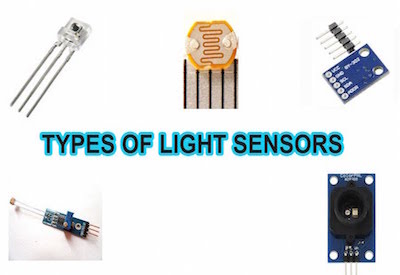
A light sensor is an electronic device used to detect light. It is available in several forms in the global market. Cadmium sulfosolenide photoconductive photocell used in its manufacturing is the component that helps perceive light. This product modifies its resistance value based on the amount of incident light. Light sensors can detect visible light, just like humans. Their principle requirement is electrically charged signals.
The product has applications in consumer electronics and in the automotive, defence, aerospace, industrial, and medical sectors, says Transparency Market Research. In terms of voltage, it is classified into the following categories: 0.5 to 5 V, 1.5 to 6 V, 2.4 to 3.6 V, and 3 to 5.5 V. The technology-based divisions of the market include complementary metal–oxide–semiconductors (CMOS), charge-coupled devices (CCD), and contact image sensors (CIS).
The global light sensors market is currently and expected to be driven primarily by growing demand for electronic consumer goods such as mobile phones and televisions. For instance, light sensors help reduce power consumption in mobile devices. Moreover, prominent automotive suppliers in the process of increasing their usage for specific functions are also predicted to propel the market at an exponential rate. The requirement for ambient light sensing, proximity detection, and gesture recognition in electronic devices plays a role as well.
Light sensors are also used to detect light in robotic programs, resulting in rapid technological advancements. However, low profit margins for manufacturers restrain the growth of this product. Smart lighting solutions that are currently trending have been significantly adopted by developing countries, directing lighting manufacturers to introduce light sensors in these devices.
Geographically, in terms of revenue, Asia Pacific (APAC) holds a major share in the global light sensors market as of 2015. Within Asia Pacific, China generates the maximum revenue due to growing consumer demand for electronic products. On the other hand, North America is projected to be promising with a substantial share in the market. Ever-changing needs of consumers when it comes to electronics and their increasing usage in advanced medical technology equipment are key factors influencing the light sensor market.
The global market is fragmented with the presence multiple players.
The study is a source of reliable data on
• market segments and sub-segments
• market trends and dynamics
• supply and demand
• market size
• current trends/opportunities/challenges
• competitive landscape
• technological breakthroughs
• value chain and stakeholder analysis
The regional analysis covers
• North America
• Latin America
• Western Europe
• Eastern Europe
• Asia Pacific
• Middle East and Africa
The report has been compiled through extensive primary research (through interviews, surveys, and observations of seasoned analysts) and secondary research (which entails reputable paid sources, trade journals, and industry body databases). The report also features a complete qualitative and quantitative assessment by analyzing data gathered from industry analysts and market participants across key points in the industry’s value chain.
A separate analysis of prevailing trends in the parent market, macro- and micro-economic indicators, and regulations and mandates is included under the purview of the study. By doing so, the report projects the attractiveness of each major segment over the forecast period.
Highlights of the report include:
• a complete backdrop analysis, which includes an assessment of the parent market
• important changes in market dynamics
• market segmentation up to the second or third level
• historical, current, and projected size of the market from the standpoint of both value and volume
• reporting and evaluation of recent industry developments
• market shares and strategies of key players
• emerging niche segments and regional markets
• an objective assessment of the trajectory of the market
• recommendations to companies for strengthening their foothold in the market
Find out more: http://www.transparencymarketresearch.com/light-sensor-market.html.