Nedco: Daylight Harvesting & Occupancy Control – The Savings the Lamp Swap Left Behind
October 6, 2026
Daylight Harvesting & Occupancy Control: Where the Meaningful Energy Story Now Sits
Part one of a three-part series on where energy savings live now that the LED conversion is essentially over.
For the better part of a decade, energy-efficient lighting and switch to LED meant the same thing. Rip out the fluorescents, drop in LED, book the savings. That job is now largely finished. With the manufacture and import of most fluorescent lamps prohibited in Canada as of 2026, the lamp itself has stopped being the decision. LED is simply what gets installed.
Which raises a question every contractor quoting commercial work should be ready to answer: once the fixtures are all LED, where do the next savings come from?
The answer is the controls layer. And in Canada, it is no longer a value-add you upsell. Under the National Energy Code of Canada for Buildings, much of it is mandatory.
The Lamp Swap Was the Easy 60 Per Cent
An LED retrofit on its own delivers the headline wattage reduction, and for years that was enough to clear code and win the rebate. But a fixture burning efficiently in an empty room at full output on a sunny afternoon is still wasting most of what it draws. The remaining savings, the ones that separate a compliant building from an efficient one, come from not running the light when it isn’t needed: dimming it when daylight is doing the work, and shutting it off when the space is empty.
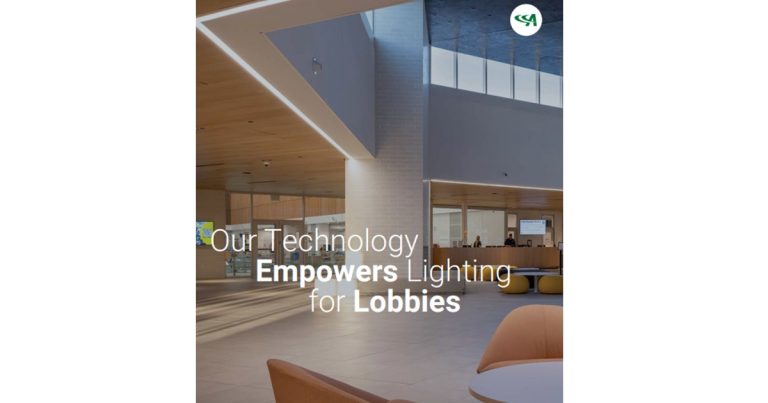
That is daylight harvesting and occupancy control. Together they are where the meaningful energy story now sits, and they are the reason a modern lighting scope is a controls conversation, not a lamp count.
The Insight Worth the Read: Code & Rebate Are the Same Scope of Work
The controls the NECB requires are, in most cases, the very same controls that provincial utility rebate programs pay bonuses for. When you add occupancy sensing and daylight harvesting to bring a retrofit up to code, you are simultaneously assembling the exact scope that qualifies for networked-lighting-control and advanced-control incentives from the utility. The code obligation and the incentive opportunity are one and the same body of work. You are getting paid to do what you were already required to do.
The Failure Mode: Controls Installed but Never Commissioned
If there is one thing that turns a compliant design into a failed inspection, and a callback, it is this: the controls get installed, but they are never commissioned. Sensors with the wrong coverage pattern. Time schedules left on default. Daylight zones that were never separated from the interior fixtures. Overrides left wide open.
Functional testing before handover is not optional polish; it is part of what the code expects, and it is the step most likely to be skipped under schedule pressure. The practical takeaway for contractors: budget the commissioning time, document the sensor coverage and calibration, and treat the functional test as a deliverable, not a favour. A control system that technically exists but was never tuned saves nothing, fails inspection, and lands back on you.
What to Carry into the Next Quote
- The lamp decision is made. The savings conversation is now entirely about controls.
- Daylight harvesting and occupancy control are mandatory in the space types and daylit zones the code lists. A manual switch alone won’t clear it.
- The controls you install for compliance are largely the same ones the utility will help pay for.
- Commissioning is where compliance is won or lost. Price it in and prove it works.
Coming in Part 2: Tunable White and Human-Centric Lighting: a contractor’s spec primer: what tunable-white, warm-dim and full human-centric systems actually mean on a cut sheet, the driver and control compatibility to check before you quote, and how to separate the well-supported wellness claims from the marketing, with a focus on the Canadian schools, healthcare and long-term-care projects where the demand is real.
And in Part 3: From Fixture to Platform: lighting as the building’s sustainability hub: how networked lighting controls become the data backbone that feeds energy-management, demand-response and carbon-reporting systems, and how that maps onto the NECB’s tiered path toward deep energy reductions.
Stay tuned.

For more information on Nedco lighting solutions HERE


Daylight Harvest Daylight Harvest Daylight Harvest Daylight Harvest