CSC LED: What Is an NSF Rating in LED Lighting & Why Does It Matter?

July 28, 2026
NSF Rating in LED Lighting: Designed for Environments Where Hygiene & Food Safety Are Critical Operational Requirements
When lighting is specified for food processing facilities, commercial kitchens, healthcare environments, or beverage production plants, fixture performance is only one part of the equation. In these settings, sanitation, cleanability, and contamination control often carry equal weight. This is where NSF-rated lighting becomes relevant.
While many lighting professionals are familiar with ratings such as IP, IK, or NEMA, NSF certification addresses a different consideration: whether a fixture is designed for environments where hygiene and food safety are critical operational requirements.
Understanding NSF Certification
NSF refers to NSF International, an organization that develops standards related to public health, safety, and sanitation across a wide range of industries.
For lighting products, NSF certification indicates that a fixture has been evaluated for use in environments where cleanliness is a priority. These fixtures are designed to support sanitary operations by minimizing areas where moisture, debris, grease, or bacteria can accumulate.
In facilities subject to regular inspections, washdowns, or strict cleaning protocols, fixture design can play a meaningful role in maintaining overall environmental standards.
Common Applications for NSF-Rated Lighting
NSF-rated fixtures are frequently specified in environments such as:
- Food processing facilities
- Commercial kitchens
- Beverage production plants
- Pharmaceutical manufacturing
- Healthcare facilities
- Cold storage and refrigerated warehouses
- Agricultural and livestock operations
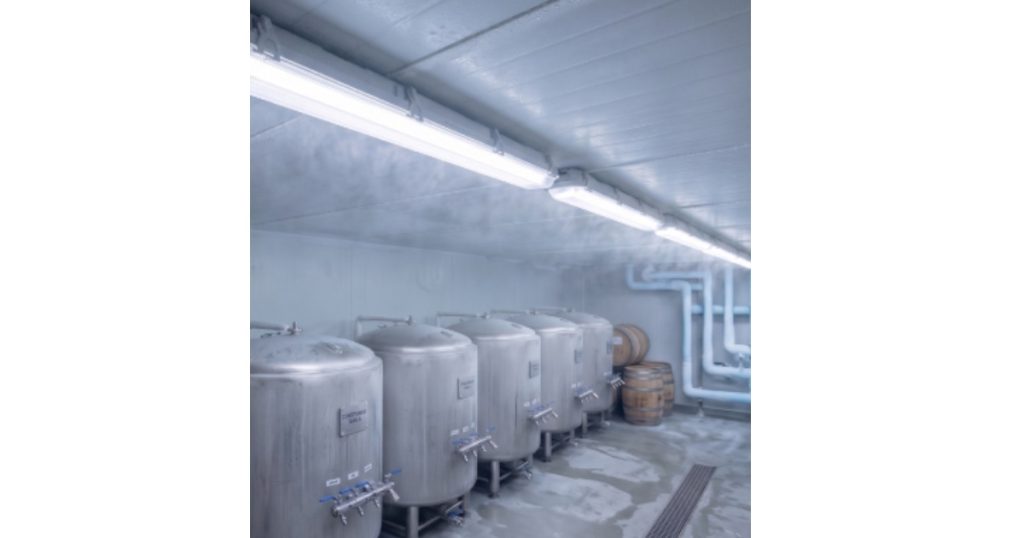
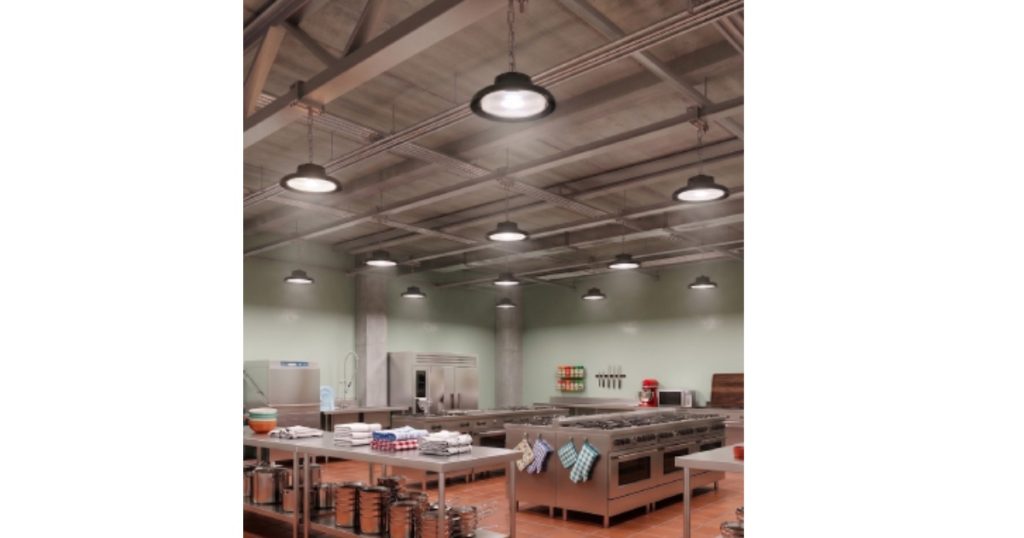
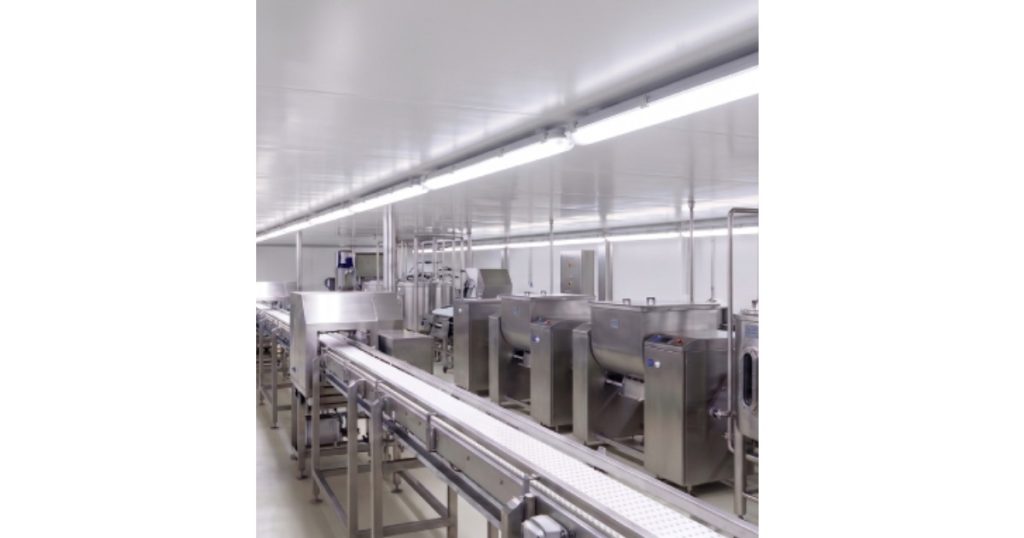
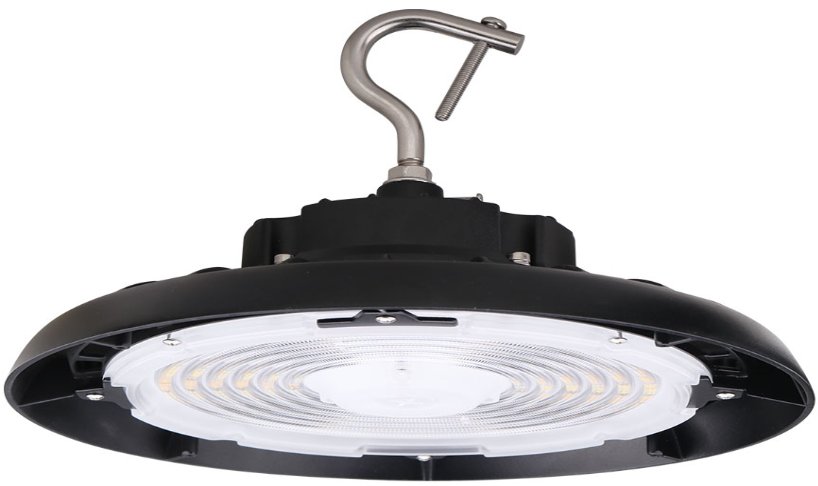
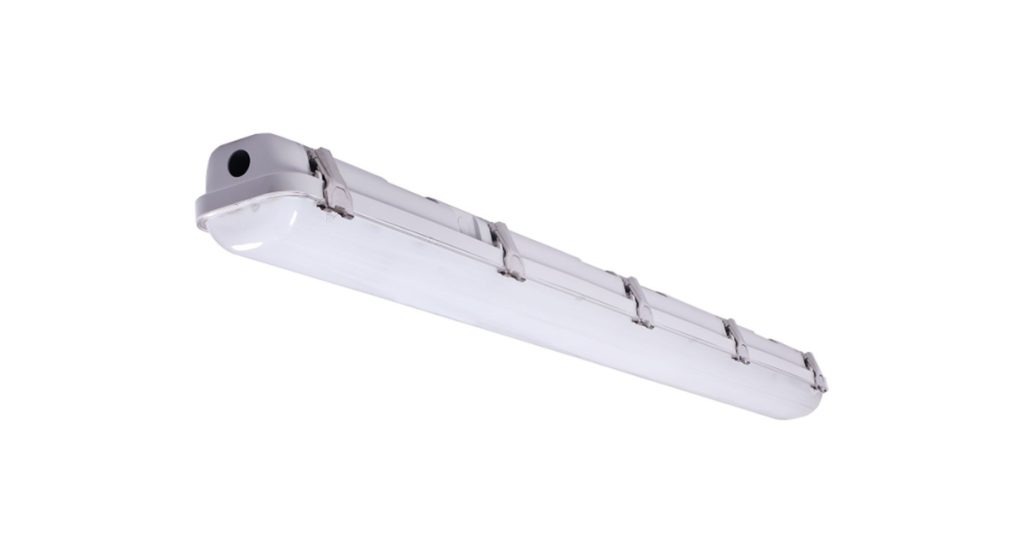
Many of these spaces face a combination of moisture, temperature fluctuations, cleaning chemicals, and frequent washdowns, making fixture construction an important consideration during specification. In these environments, durable solutions such as CSC LED’s HB8 High Bays and VT Vapour Proof Series are designed to withstand demanding conditions while supporting reliable, long-term performance.
Key Characteristics of NSF-Rated Fixtures
Although designs vary by manufacturer and application, NSF-rated fixtures often share several common characteristics.
- Smooth, Easy-to-Clean Surfaces: Sanitary environments benefit from fixtures with minimal crevices, exposed hardware, or complex geometries. Smooth exterior surfaces help simplify cleaning procedures and reduce the potential for contaminant buildup.
- Sealed Construction: Many NSF-rated fixtures incorporate sealed housings that help limit the ingress of moisture, dust, grease, and other contaminants. This can be especially important in facilities where regular washdowns are part of standard operating procedures.
- Resistance to Cleaning Agents: Cleaning protocols in food and healthcare environments often involve aggressive chemicals and disinfectants. NSF-rated fixtures are typically designed to withstand repeated exposure without compromising performance or finish quality.
- Shatter-Resistant Components: In food production environments, material selection matters. Durable polycarbonate lenses are commonly used in place of glass to help reduce contamination risks should an impact occur.
- Corrosion Protection: Humidity, moisture, and chemical exposure can accelerate fixture degradation over time. Corrosion-resistant materials and protective coatings help support long-term durability in these demanding environments.
Why NSF Ratings Matter
For lighting professionals, NSF certification is less about light output and more about ensuring the fixture is appropriate for the environment in which it operates.
- Supporting Sanitary Operations: Fixture designs that are easier to clean and less likely to collect contaminants can contribute to overall facility hygiene programs.
- Simplifying Maintenance: Sealed, cleanable fixtures often require less maintenance related to contamination, helping facilities maintain operational efficiency.
- Improving Long-Term Durability: Products engineered for washdowns, humidity, and chemical exposure are typically better equipped to withstand the conditions found in sanitary environments.
- Meeting Facility Requirements: Many organizations establish internal standards regarding equipment used within food-safe or healthcare-related spaces. NSF-certified products may help support those requirements during specification and inspection processes.
What to Consider When Evaluating NSF-Rated Fixtures
NSF certification is an important consideration, but it is rarely the only one.
Depending on the application, it may also be beneficial to evaluate:
- IP65 or IP66 ingress protection ratings
- Corrosion-resistant housing materials
- Shatter-resistant lens construction
- Washdown suitability
- Ambient temperature ratings
- Ease of cleaning and maintenance
- Long-term environmental durability
A fixture may appear rugged from the outside, but sanitary environments often require design considerations beyond standard industrial applications.
Final Thoughts
As lighting specifications continue to evolve, factors such as cleanability, contamination control, and environmental durability are becoming increasingly important in many industries.
NSF-rated lighting helps address these considerations by providing fixtures designed specifically for environments where sanitation is part of daily operations. Whether the application involves food production, healthcare, pharmaceuticals, or refrigerated storage, understanding what NSF certification represents can help ensure the selected fixture aligns with the demands of the space.
In environments where cleanliness is closely tied to operational performance, fixture design can be just as important as illumination itself.
Check out why IK ratings matter in LED lighting and watch CSC LED’s HB8 High Bay get put to the test!
For more information on CSC LED lighting solutions HERE

NSF Rating NSF Rating NSF Rating NSF Rating NSF Rating NSF Rating NSF Rating