Brightening Communities: LED Technology in Action
August 20, 2024
By Alex Price, Brand & Planning Manager, Current Lighting
Technical Contributor: Gary Steinberg, Senior System Manager (Outdoor LED Fixtures), Current Lighting
As the landscape of Canadian cities continues to evolve, the importance of outdoor lighting cannot be overstated. From enhancing public safety to promoting economic activity and fostering a sense of community, well-planned lighting schemes are essential to modern urban planning.
In residential areas, properly illuminated streets and parks can reduce accidents and deter crime, which is particularly vital during Canada’s long, dark winters. In commercial districts, lighting can attract visitors and extend business hours, while well-lit public spaces promote social interactions and outdoor activities. Strategic illumination also increases property values and supports tourism by highlighting cultural landmarks and points of interest.
Critically, adopting energy-efficient technology and smart lighting systems can help cities reduce energy consumption and light pollution year-round to create vibrant, safe, and sustainable urban environments.
LED fixtures lead the way
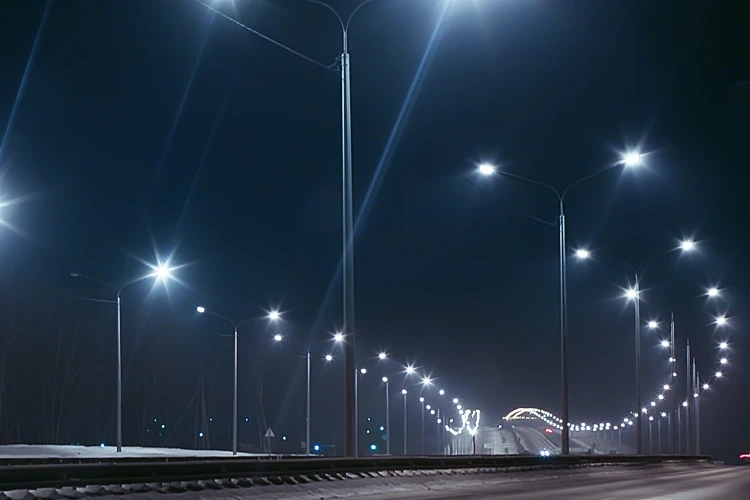
Light-emitting diode (LED) technology has revolutionized outdoor lighting. LEDs are energy-efficient, long-lasting, and provide focused, high-CRI light that enhances visibility compared to traditional lighting sources.
Many Canadian cities have already transitioned to LED streetlights, resulting in significant energy savings and reduced maintenance costs. LEDs also offer greater flexibility in design and colour options, allowing for inspired lighting schemes. The advent of smart lighting systems has further enhanced these capabilities.
Smart systems use sensors and connectivity to adjust lighting levels based on real-time conditions such as traffic flow, weather, and pedestrian presence. Smart lighting not only improves energy efficiency but also enhances public safety by ensuring optimal illumination at all times.
Canada’s conversion continues
In cities like Burnaby and Vancouver, strategic lighting designs have played a crucial role in revitalizing neighbourhoods, turning them into bustling hubs of activity. This transformation has had a profound impact on the economic health of these urban areas, creating more inviting spaces for residents and visitors alike. Let’s delve into the specifics of how strategic lighting has achieved these outcomes.
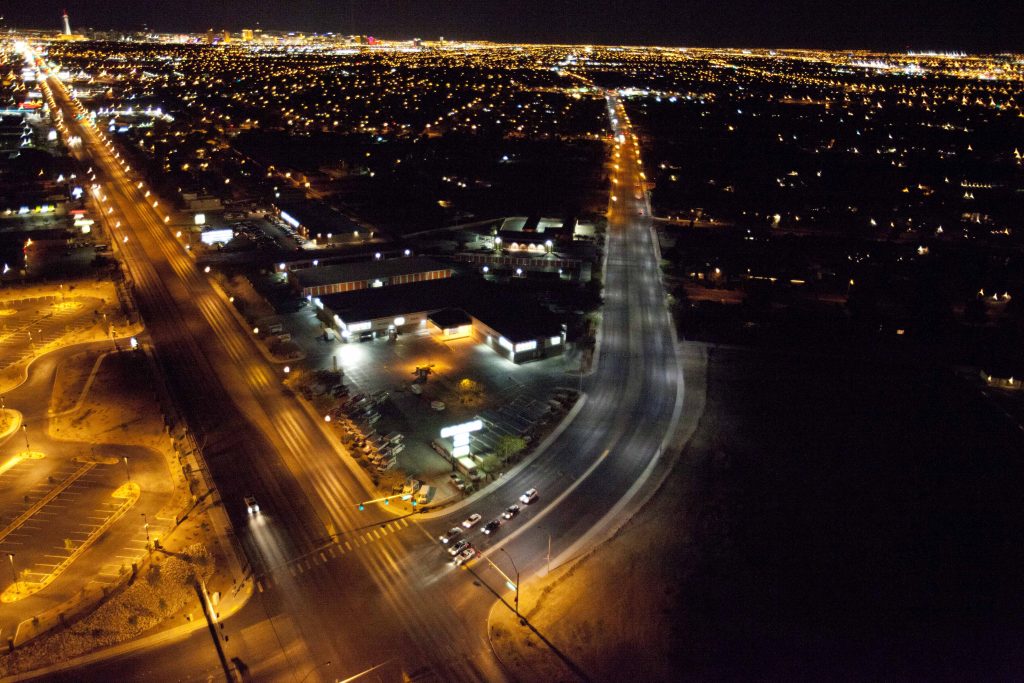
Aerial photographs reveal a distinct difference in street lighting between Vancouver and Burnaby. Vancouver’s streets are illuminated by yellow-orange lights from high-pressure sodium fixtures, while Burnaby’s streets glow with cool bluish white from LED lights. Burnaby completed its transition to LED street lighting in 2019, converting 11,600 streetlights at a cost of $4.8 million, with anticipated annual savings of $750,000 on electricity.1
Vancouver is also making significant progress, having launched a $26 million plan to replace 44,000 of its 55,000 streetlights with LEDs by 2026. BC Hydro estimates that LED lights use 70% less electricity, contributing to significant energy and cost savings. Additionally, the city has seen a 46% reduction in traffic collisions and a 27% decline in pedestrian strikes at intersections with LED lights. Vancouver has adopted cooler, whiter LEDs for intersections to enhance safety, while using warmer lights for side streets.
Despite some issues with faulty LED coatings, which caused a purplish hue in some lights, the overall transition to LED has been beneficial. LEDs offer better colour rendering, improved glare control, and longer lifespan, reducing maintenance needs. Municipalities across British Columbia are making strides in replacing traditional streetlights with LEDs, which are expected to save substantial amounts of electricity and improve public safety.
Considerations for community spaces
Local ordinances often outline lighting requirements for community zones, but additional guidelines can help enhance resident satisfaction while complying with regulations. These zones generally need lower light levels to reduce light trespass and prevent disturbances.
Residential Areas
- Warm Light: Use warm white lighting (approximately 2200K to 2700K) for a cozy, welcoming feel and to limit blue light.
- Directional Lighting: Illuminate pathways and communal areas with downward-facing fixtures to minimize spillover.
- Aesthetic Harmony: Select fixtures that blend with the area’s architecture and landscape for visual cohesion.
Commercial Districts
- Brightness and Ambiance: Use cooler white light (4000K) in busy areas for alertness and warmer tones (3000K) in leisure areas for relaxation.
- Even Lighting: Ensure consistent light distribution to avoid dark spots, considering fixture placement and foliage growth.
- Smart Systems: Implement adaptive lighting that adjusts brightness based on activity and natural light to balance efficiency and security.
- Shielding: Use shields to manage direct uplight and prevent light from spilling into unintended areas.
Regulatory standards and guidelines
Outdoor lighting in Canadian cities is governed by a combination of national and provincial regulations. The Canadian Standards Association (CSA) provides guidelines for the performance and safety of lighting products. Additionally, provinces may have their own standards and requirements. Compliance with these regulations ensures that lighting systems are safe, effective, and environmentally responsible.
Municipalities also have specific codes and ordinances that guide outdoor lighting design and implementation, addressing light levels, fixture types, and placement to meet community needs. Engaging with local stakeholders, including residents and businesses, is crucial to developing lighting plans that reflect each city’s unique character and requirements.
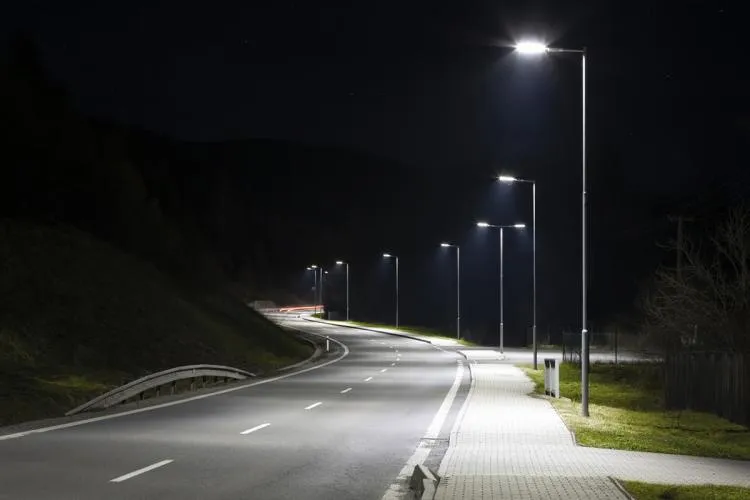
Light Pollution
In addition to adhering to national and provincial standards, cities can benefit from adopting international best practices. Organisations such as DarkSky International provide valuable resources and certification programs aimed at protecting communities from light pollution. By integrating these guidelines, cities can contribute to global efforts to preserve the night sky through the proper application of outdoor lighting.
Looking ahead
Outdoor lighting is a vital component of urban planning in Canadian cities, offering numerous benefits that enhance public safety, promote economic activity, and foster community well-being. By embracing technological advancements, implementing sustainable practices, and adhering to regulatory standards, cities can create well-lit, inviting, sustainable environments. As cities continue to grow and evolve, thoughtful illumination will play an increasingly important role in shaping the urban landscape. Through collaborative efforts and innovative approaches, the path forward is bright with promise.
1 “B.C. cities seeing the light over LED street illumination.” Vancouver Sun, https://vancouversun.com/news/local-news/bc-cities-led-street-illumination
Current is Always On and working to improve lives with the industry’s most expansive portfolio of sustainable advanced lighting and intelligent controls that reliably meet customers’ needs. Learn more at currentlighting.com.