
-
-
-
-
-
-
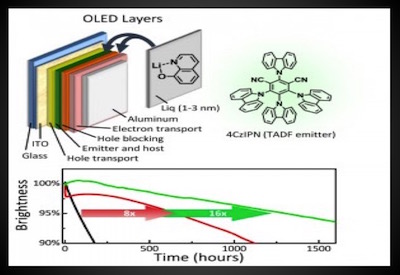
Lifetime Breakthrough Promises Low-Cost, Efficient OLEDs
With just a tiny tweak, researchers at Kyushu University, Fukuoka, Japan, greatly increased the device lifetime of organic light-emitting diodes (OLEDs) that use a recently developed class of molecules to convert electricity into light, with the potential for increased efficiency at a lower cost in future displays and lighting…
-
-
-
-
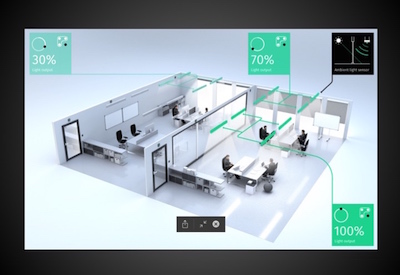
Adaptive Lighting Systems Part 1: Occupancy Sensing
One of the major benefits delivered by a smart lighting system is enormous energy savings. While it might seem that occupants know best how and when space should be lit, a well-tuned system can be far more efficient…
-
Canadian Buildings Are Safer than Ever!
By Jeff Beare
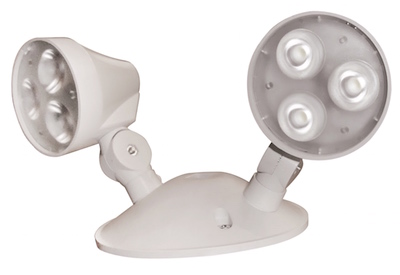
Emergency lighting has seen major development over the last decade with significant changes to the 2010 building code, which introduced the green “running man” and photoluminescent technology. In addition, LED chip technology has dramatically changed the performance and life of remote heads and battery units, and the most recent proposed changes to CSA C22.2 141-15 Emergency Lighting Equipment are tightening performance characteristics of a variety of products. Let’s look at three recent changes in greater detail.
-
LED Pulser Developed by Sandia Delivers Laser-Like Performance at Fraction of the Cost
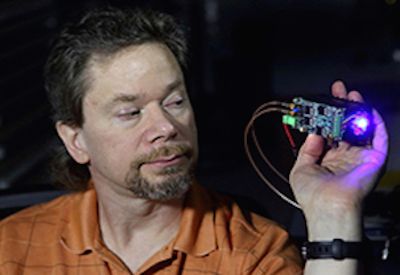
When Sandia National Laboratories electronics engineer Chris Carlen got enthusiastic about flashlights containing high-power light-emitting devices (LEDs), he didn’t expect his hobby to lead to the creation of a new, high-speed LED driver that delivers lighting performance exceeding that of conventional sources at a fraction of the cost. The Sandia LED Pulser provides high-brightness, rapidly pulsed, multicolour light for scientific, industrial or commercial uses. In some cases, the LED Pulser can displace more expensive lasers.
-
A Nanophotonic Comeback for Incandescent Bulbs?
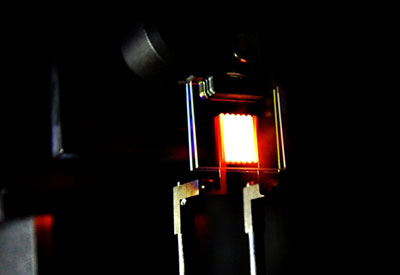
Traditional light bulbs, thought to be well on their way to oblivion…
-
Philips’ Installs First lighting installation to Leverage PoE
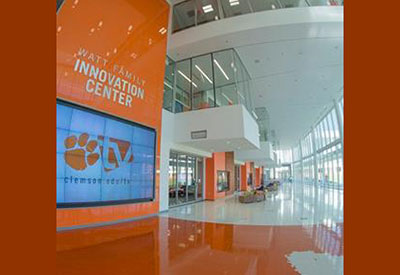
At a major university campus, Philips has unveiled a first-of-its-kind, large-scale lighting installation…
-
-
The Lighting Market Change
Over the past 30 days there have been a number of lighting announcements that individually are company-specific…


This project is funded [in part] by the Government of Canada.
Ce projet est financé [en partie] par le gouvernement du Canada.
