Beyond Lighting: State-of-the-Art and Future Applications of LED Lighting

May 10, 2017
Over the past decades light has been used to diagnose disease, enable digital communication through fibre optics, and generate power through solar panels. Most recently, advances in solid state lighting has transformed the most commonplace source of light, the lightbulb. The latest LED technology is not only making lighting more sustainable but also allows unprecedented control of light quality, colour, intensity as well as the inclusion of data and computation that was unimaginable with incandescent or fluorescent lighting. And these new technologies are moving these lightbulbs from passive providers of illumination to a central and vital part of our future homes, offices, and streets.
On May 3, the University of Toronto Impact Centre’s Smart Sustainable Lighting Network (SSLNet) hosted the Beyond Lighting Conference at the university’s Mississauga campus. The day included talks by leading academics and industry representatives who are leading the charge to understand and transform the function of visible light from simple illumination into new areas of human health, agriculture and digital communication.
Light, sleep and health
Dr. Marie Dumont from the University of Montreal delivered the conference keynote on the influence of light on health and sleep. She highlighted our changing understanding of how our eyes interact with light, from the rods and cones that enable vision and colour perception to the retinal ganglion cells that are responsible for an expanding number of non-visual effects of light.
One aspect that has been receiving increased attention is the impact of light on sleep. Work performed by her and colleagues have found that exposure to light as well as darkness is vital to regulating our circadian rhythm and resetting our internal clock. Regulated exposure can help reduce sleeplessness as well as improve alertness. This is leading the revolution in lighting design that goes beyond efficacy and economy to colour quality, controls and interoperability with other building elements.
Light and horticulture
Photosynthesis allows plants to grow, but we are only beginning to understanding of how light impacts plant development and growth. Talks by both academic and industry speakers provided an overview of the issue from both a scientific and industry perspective.
Greenhouse horticulture allows for year-round production of fruits and vegetables that were only seasonal. It reduces the distance that food must travel in order to reach the grocery store and can provide new opportunities for remote communities that do not have regular access to fresh produce. The conference speakers envision greenhouses where crops are exposed to tailored spectral content and custom lighting programs that improve growth and nutrient content while reducing the impact of pests or other disease, simultaneously maximizing the space usage through multi-tier growth beds.
Light as the backbone for the connected building
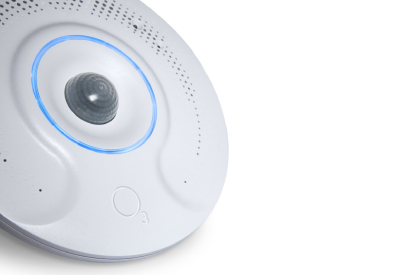
A common theme of the conference and a topic of numerous talks was the transformation of luminaires into the nerve system of the connected building. Luminaires are everywhere in our buildings. Combined with inexpensive sensors and connected to information technology systems through wireless or Power over Ethernet (PoE) technology, these lights become nodes in a building-wide information system. Not only can the lights themselves be responsive to sunlight conditions or occupancy, but that information can be sent back to other applications, enabling exciting new opportunities for building managers and businesses.
About the SSLNet
The Smart Sustainable Lighting Network (SSLNet) at the University of Toronto’s Impact Centre is Canada’s largest and most active lighting network working on applications of next-generation lighting technology. The network brings together researchers, industries, end‐users and agencies, and fosters constant dialogues, knowledge sharing and facilitate collaborative projects. Find out more: www.sslnet.ca/
Scott McAuley is the Communications Coordinator for the Impact Centre at the University of Toronto.