The Science of Light: How Human-Centric Lighting (HCL) Boosts Productivity & Wellbeing
November 18, 2025
HCL: How Exhibitors Are Providing Tangible Solutions in Human-Centric Lighting That Merge Science, Technology & Human Needs
Lighting has always been a technical necessity, but today it is evolving into something far more powerful. Human-Centric Lighting (HCL) is shifting the conversation from simple illumination to environments that actively support wellbeing, productivity, and sustainability. By aligning artificial light with natural circadian rhythms, industry leaders are redefining how workplaces, healthcare facilities, educational institutions, and even hospitality spaces are designed. At the heart of this change are exhibitors and solution providers developing systems that move beyond energy efficiency to focus on human impact.
From Science to Application
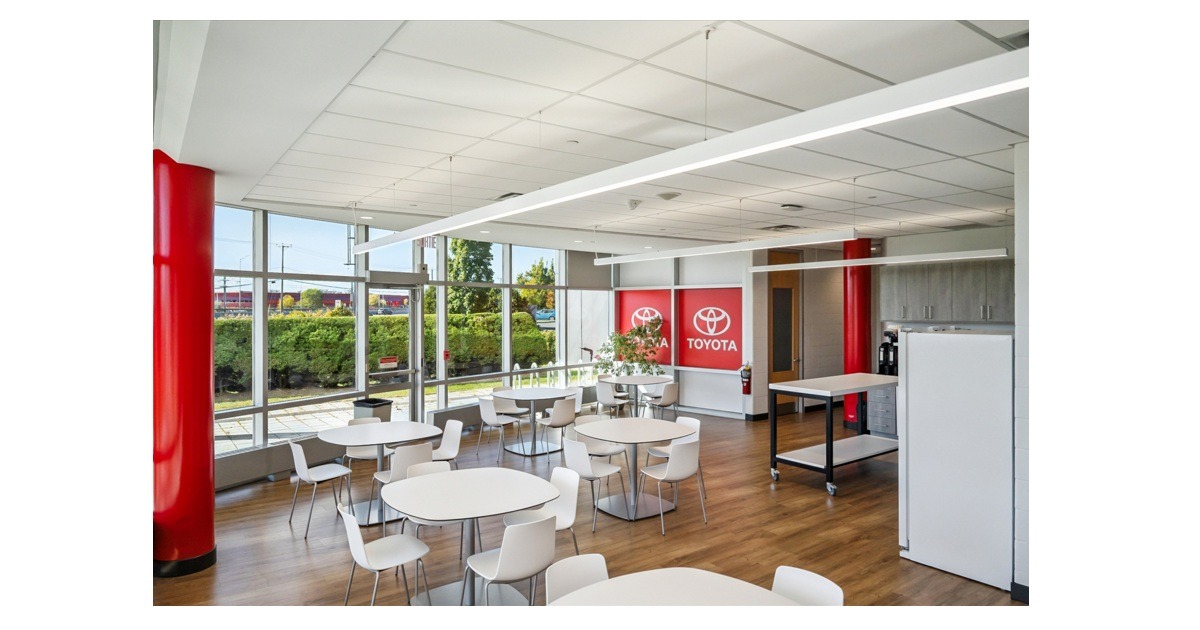
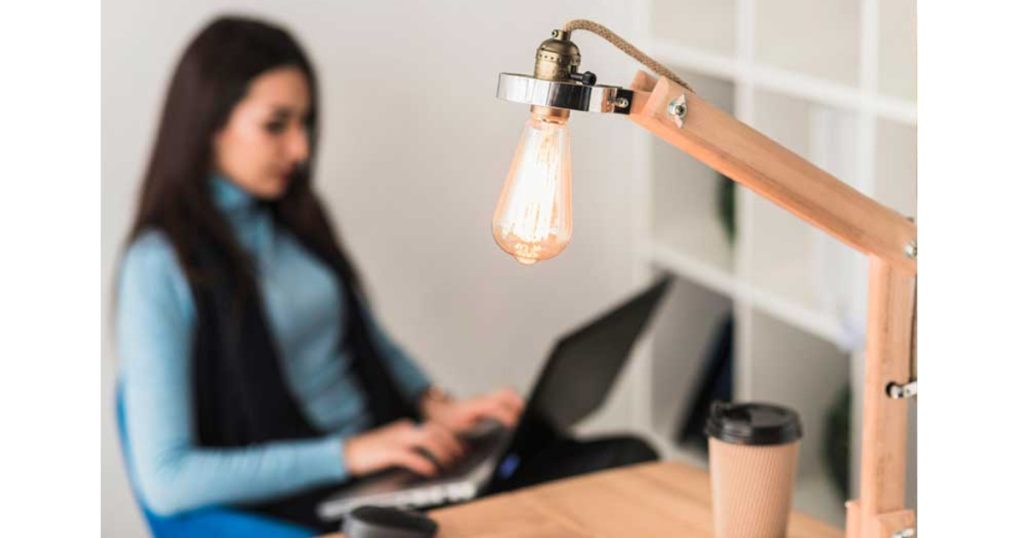
Human bodies are naturally tuned to the rising and setting of the sun. Yet in modern buildings, static lighting often disrupts this rhythm, leaving people fatigued, distracted, or stressed. Human-Centric Lighting responds by mimicking the progression of daylight cool, bright tones that energize mornings, shifting to softer hues that promote calm as the day winds down. In an office environment, that translates into sharper focus during peak work hours and reduced strain toward the end of the day.
Within healthcare, patients under circadian-friendly systems often rest better and recover faster, while caregivers report less fatigue during extended shifts. Classrooms equipped with adaptive lighting help students remain engaged during lessons, while collaborative tasks benefit from gentler tones that encourage calmer group dynamics. Even retailers and hoteliers are recognizing its value, with dynamic lighting creating immersive shopping experiences and easing the effects of jet lag for international travelers. These examples are more than anecdotes; they’re demonstrations of how exhibitors are providing tangible solutions that merge science, technology, and human needs.
Technology at the Core
What makes Human-Centric Lighting viable today is the rapid advancement in LED technology, smart controls, and IoT integration. Automated systems now respond not only to time-of-day patterns but also to occupancy levels and natural daylight availability. For facility managers, this creates dual benefits: healthier environments for people and optimized energy consumption for businesses. Exhibitors specializing in these intelligent systems are proving how light can operate as both a wellness strategy and a sustainability tool.
A Sustainable Advantage
The growing emphasis on ESG commitments has further accelerated adoption. Human-Centric Lighting integrates naturally with energy-efficient LEDs, adaptive sensors, and daylight harvesting systems that reduce waste while enhancing comfort. This convergence of human health and environmental responsibility is positioning advanced lighting not as a luxury, but as a cornerstone of modern, sustainable design. Exhibitors demonstrating these solutions are helping organizations meet both wellbeing goals and regulatory requirements proof that lighting can drive cultural and operational transformation.
Conclusion
Light is no longer just a utility; it is a force that shapes how people think, feel, and perform. Human-Centric Lighting combines biology, psychology, and technology to create spaces that are healthier, more productive, and more sustainable. For businesses, schools, hospitals, and hospitality providers, this represents a shift in how spaces are designed and experienced.
Platforms like the Canada Light+Design Expo bring this transformation into focus. By connecting exhibitors who are pushing the boundaries of Human-Centric Lighting with the organizations seeking real-world solutions, the show creates an ecosystem where ideas become applications. It is here that the future of lighting takes form intelligent, sustainable, and deeply human.


HCL HCL HCL HCL HCL HCL