Cooper Lighting: LED Corn Cob Lamps vs. LED Fixture Upgrades
November 11, 2025
LED Corn Cob Lamps vs. LED Fixture Upgrades: Cooper Lighting Insights on Which Is the Smarter Choice for Outdoor Lighting?
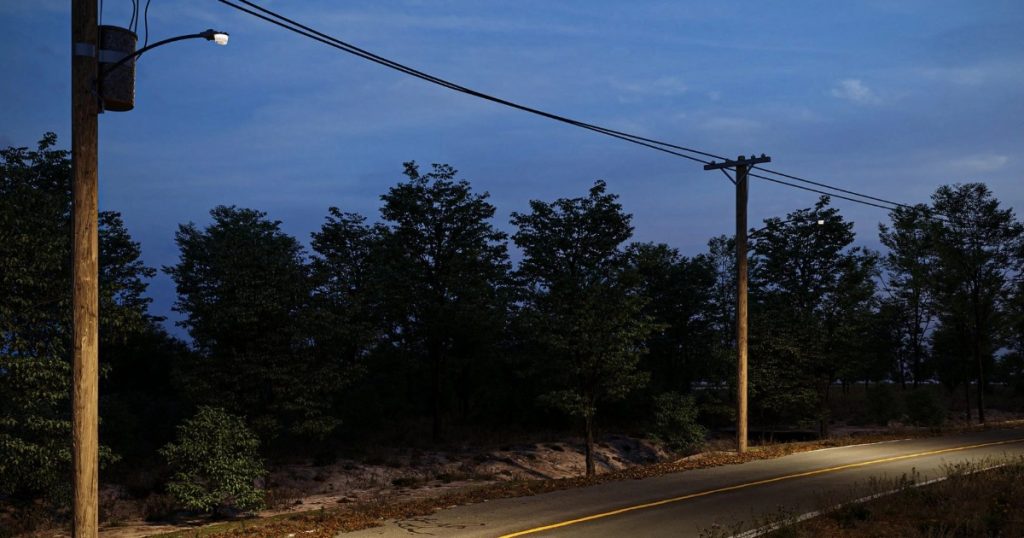
When it comes to upgrading outdoor infrastructure lighting, decision makers often face a familiar fork in the road: do you pop in LED “corn cob” lamps as a quick retrofit, or invest in a complete LED fixture upgrade? On the surface, corn cobs seem like the budget-friendly, fast-install choice. But when you dig deeper into performance, efficiency, and long-term value, the picture changes. Let’s take a closer look.
Light Quality & Distribution
LED corn cob lamps scatter light in every direction, which can mean glare, wasted lumens, and patchy coverage, especially when housed in fixtures that weren’t designed for LEDs. Even with reflectors or diffusers, the results can feel uneven. Purpose-built LED fixtures tell a different story. With engineered optics, they deliver crisp, uniform illumination, controlled beam spreads, and less glare. On sports courts, walkways, or parking lots, that difference translates into safer, more comfortable spaces. For precision and performance, LED fixtures take the win.
Energy Efficiency & Savings
Yes, both options outpace old HID lamps on energy use. But efficiency isn’t just about the lamp, it’s about the system. LED corn cobs may look efficient on paper, but optical losses in legacy housings can chip away at savings. LED fixtures, on the other hand, are designed from the ground up for maximum efficacy. Integrated drivers, optimized optics, and robust thermal management keep LED fixtures performing at peak levels for years. The result? Bigger savings that actually stick.
Longevity & Maintenance
Here’s where the long game really shows. LED corn cob lamps typically don’t last as long as full LED fixtures, and compatibility with older housings or ballasts can cause headaches and rewiring bills. Worse, they can overheat in enclosed fixtures, shortening their life even further. LED fixtures, by contrast, regularly boast 50,000 to 100,000 hours of reliable operation. Built-in thermal and weather protection means fewer service calls, fewer replacements, and fewer surprises. That’s peace of mind decision makers can bank on.
Safety, Compliance & Appearance
Lighting has to comply with modern codes and enhance the spaces it serves. LED corn cob lamps often fall short on today’s standards, missing out on DLC/QPL listings, DarkSky compliance, or utility rebates. Corn cob lamps also keep aging housings in place, which can drag down a site’s appearance. LED fixtures, however, check all the boxes: DLC-listed, rebate-eligible, code-compliant, and DarkSky friendly. Plus, their sleek designs refresh public spaces, boosting curb appeal and community pride.
Upfront Cost vs. Lifecycle Value
It’s tempting to chase the lower upfront price of LED corn cob lamps, especially when budgets are tight. And for a stopgap, they can make sense. But look beyond the purchase price, and the math favors LED fixtures. With higher efficiency, longer lifespans, lower maintenance, and bigger rebate opportunities, LED fixture upgrades deliver a stronger ROI and faster payback. LED fixtures aren’t just a purchase; they’re an investment.
The Bottom Line
If you need a quick patch to keep lights on, corn cobs can hold you over. But if your goals include better lighting quality, lower operating costs, regulatory compliance, and a lighting system built for the future, LED fixtures are the clear winner. For municipal sports courts, parks, and recreation facilities where safety, visibility, and community image all matter, LED fixture upgrades make more sense
For information on Cooper Lighting Solutions Outdoor Products HERE