AMA Issues Guidance on Harmful Effects of High Intensity Street Lighting
July 12 2016
Strong arguments exist for overhauling LED roadway lighting systems, but conversions to improper LED technology can have adverse consequences. In response, physicians at a recent annual meeting of the American Medical Association (AMA) today adopted guidance for communities on selecting among LED lighting options to minimize potential harmful human and environmental effects.
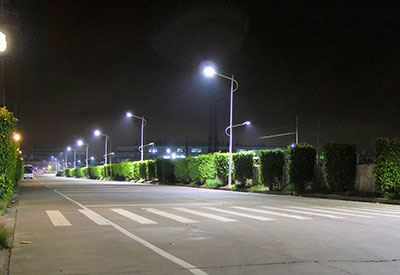
Converting conventional street light to energy efficient LED lighting leads to cost and energy savings, and a lower reliance on fossil-based fuels.
“Despite the energy efficiency benefits, some LED lights are harmful when used as street lighting,” says AMA Board Member Maya A. Babu. “The new AMA guidance encourages proper attention to optimal design and engineering features when converting to LED lighting that minimize detrimental health and environmental effects.”
High-intensity LED lighting designs emit a large amount of blue light that appears white to the naked eye and create worse nighttime glare than conventional lighting. Discomfort and disability from intense, blue-rich LED lighting can decrease visual acuity and safety, resulting in concerns and creating a road hazard.
In addition to its impact on drivers, blue-rich LED streetlights operate at a wavelength that most adversely suppresses melatonin during night. It is estimated that white LED lamps have five times greater impact on circadian sleep rhythms than conventional street lamps. Recent large surveys found that brighter residential nighttime lighting is associated with reduced sleep times, dissatisfaction with sleep quality, excessive sleepiness, impaired daytime functioning and obesity.
The detrimental effects of high-intensity LED lighting are not limited to humans. Excessive outdoor lighting disrupts many species that need a dark environment. For instance, poorly designed LED lighting disorients some bird, insect, turtle and fish species, and U.S. national parks have adopted optimal lighting designs and practices that minimize the effects of light pollution on the environment.
Recognizing the detrimental effects of poorly-designed, high-intensity LED lighting, the AMA encourages communities to minimize and control blue-rich environmental lighting by using the lowest emission of blue light possible to reduce glare. The AMA recommends an intensity threshold for optimal LED lighting that minimizes blue-rich light. The AMA also recommends all LED lighting should be properly shielded to minimize glare and detrimental human health and environmental effects, and consideration should be given to utilize the ability of LED lighting to be dimmed for off-peak time periods.
The guidance adopted by grassroots physicians who comprise the AMA’s policy-making body strengthens the AMA’s policy stand against light pollution and public awareness of the adverse health and environmental effects of pervasive nighttime lighting.