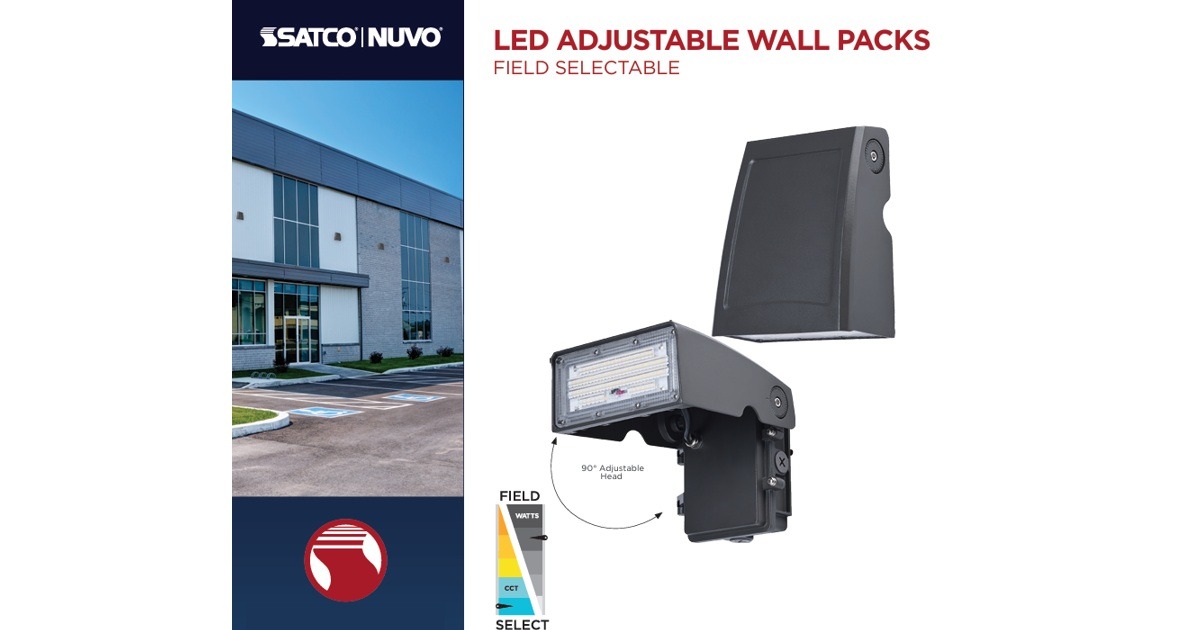
Peerless Electric: Intelligent Lighting Benefits

November 17, 2025
Peerless Electric Insights on Intelligent Lighting Benefits
Using an occupancy sensor on a luminaire provides several advantages, including energy efficiency, convenience, and enhanced security.
Here’s a Breakdown:
1. Energy Efficiency
- Automatic Lighting Control: Lights turn on only when a space is occupied and turn off after a set period of inactivity, reducing unnecessary energy consumption.
- Cost Savings: Lower energy usage leads to reduced electricity bills and maintenance costs due to less frequent lamp replacements.
2. Convenience & User Experience
- Hands-Free Operation: Users do not need to manually switch lights on or off, which is especially useful in areas like hallways, restrooms, or storage rooms.
- Customizable Settings: Many sensors allow for adjustable time delays and sensitivity, tailoring lighting to specific needs.
3. Enhanced Security & Safety
- Improved Security: Lights automatically turning on can deter intruders by simulating occupancy.
- Better Visibility: In areas like stairwells or parking lots, lights activating automatically improve safety by ensuring spaces are well-lit when occupied.
4. Sustainability & Environmental Benefits
- Reduced Carbon Footprint: Lower energy consumption translates to decreased environmental impact.
- Compliance with Energy Regulations: Many building codes and green certifications require or incentivize the use of occupancy sensors for lighting control.
5. Longevity of Lighting Fixtures
- Prolonged Lifespan: Reducing the time lights are on can extend the lifespan of the luminaire, decreasing wear and tear.
6. Flexibility & Integration
- Smart Integration: Many occupancy sensors can integrate with smart home or building automation systems, allowing for centralized control and monitoring.
- Adaptive Control: Sensors can differentiate between natural daylight and artificial lighting needs, dimming or turning off lights accordingly.
Sensor Application
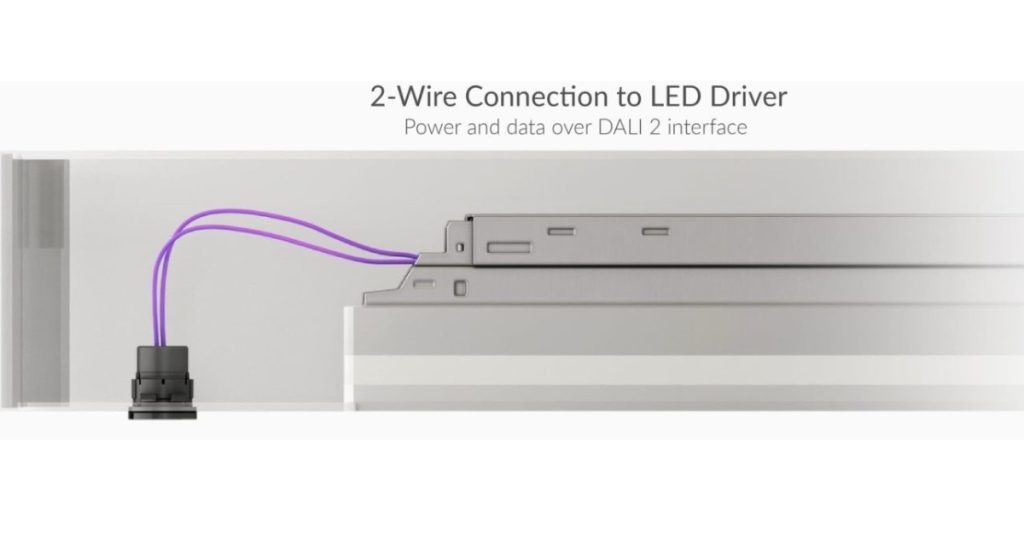
Peerless Electric offers custom design and sensor placement recommendations based on your requirements. Sensors can be added to almost any of their luminaires and operate standalone or may control multiple interconnected luminaires. Sensors may be programmed & operated via Bluetooth or other wireless technologies. Line voltage or DC control input, the sensor can be digital, DALI compliant, or analog, 0-10V.
Sensor Type vs. Environment
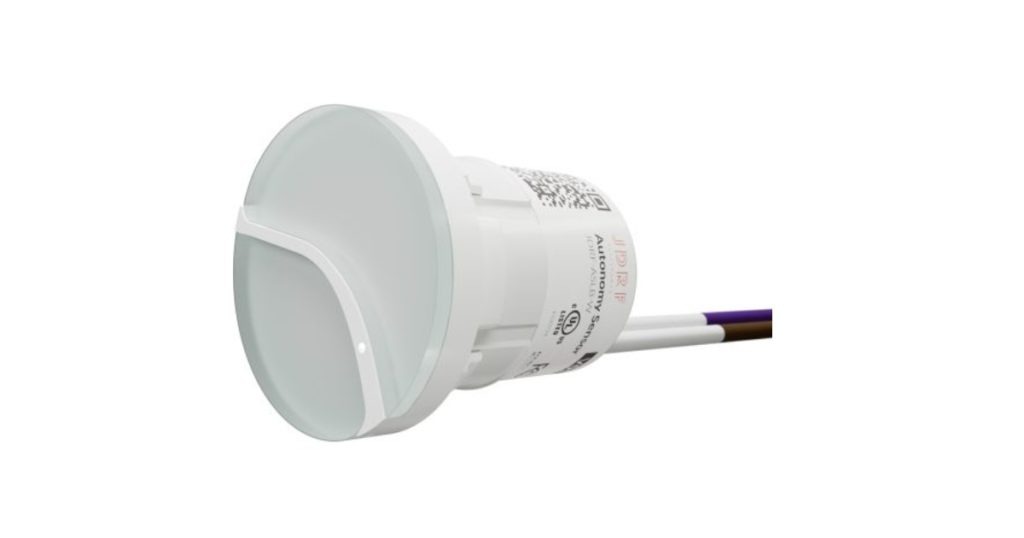
The best type of luminaire occupancy sensor depends on the installation location and specific requirements of the space. Below is a guide based on common locations and sensor types:
1. Indoor Spaces (Offices, Hallways, Classrooms, Restrooms)
Recommended Sensor Type:
- Passive Infrared (PIR) Sensors
- Ultrasonic Sensors
- Dual-Technology Sensors (PIR + Ultrasonic)
Why:
- PIR Sensors are ideal for spaces with a clear line of sight, detecting heat and motion.
- Ultrasonic Sensors work well in areas with obstructions, as they use sound waves to detect motion.
- Dual-Technology Sensors combine both to reduce false triggers and ensure reliability.
2. Outdoor Areas (Parking Lots, Pathways, Entrances)
Recommended Sensor Type:
- PIR Sensors with High Sensitivity
- Microwave Sensors
Why:
- PIR sensors are reliable in detecting movement in outdoor environments, especially for open spaces.
- Microwave Sensors can detect motion over larger distances and through certain materials, making them suitable for expansive areas.
3. Industrial or High-Ceiling Areas (Warehouses, Gyms, Factories)
Recommended Sensor Type:
- High-Bay PIR Sensors
- High-Bay Ultrasonic Sensors
Why:
- These sensors are specifically designed for high ceilings, with longer detection ranges and wider coverage.
4. Small, Enclosed Spaces (Storage Rooms, Closets)
Recommended Sensor Type:
- PIR Sensors
Why:
- Simple PIR sensors are effective in small, enclosed areas where minimal movement needs detection.
5. Stairwells & Corridors
Recommended Sensor Type:
- Ultrasonic Sensors
- Microwave Sensors
Why:
- These sensors detect motion around corners and in areas with obstacles, ensuring lights stay on as occupants move through the space.
6. Restrooms or Changing Areas
Recommended Sensor Type:
- Dual-Technology Sensors
- Ultrasonic Sensors
Why:
- Dual-technology sensors ensure reliable detection, even in areas with stalls or partitions.
Key Considerations
- Ambient Light Sensitivity: Ensure the sensor has a daylight harvesting feature if natural light is present.
- Mounting Height: High-bay sensors are necessary for ceilings above 12-15 feet.
- Coverage Area: Match the sensor’s range to the space to avoid blind spots or false triggers.
For more information on Peerless Electric solutions HERE


Intelligent Intelligent Intelligent Intelligent Intelligent Intelligent