The Lighting Design Profession in 2020
February 6, 2017
Since 2010 lighting has evolved more than in the entire 20th century, and this is not expected to end anytime soon, with the rise of technologies like visible light communication (VLC) and the Internet of Things. Lighting is becoming more personal, customers are gaining awareness of how it influences health and mood, and the market for home automation is expanding.
The fast pace at which lighting is evolving brings both opportunities and threats, not only for lighting designers but for all professionals involved in the industry. Those who adapt and update their knowledge will become more competitive, gaining access to lucrative opportunities, while those who ignore the most relevant industry trends do so at their own risk.
Lighting and Internet communications will merge
In current buildings, lighting and Internet signals are provided by different systems, but soon both services will come from the same sources — lighting fixtures with VLC capabilities. Data transmission speeds with VLC are orders of magnitude higher than those of WiFi systems, with the potential to spearhead the adoption of the Internet of Things.
Lighting designers will be required to master IT concepts, since they will now have to design systems with optimal coverage in terms of both lighting and Internet signal. New professional niches will also open; for example, data security services for lighting systems will likely be in high demand.
IoT adoption can take one of two pathways, and lighting designers must adapt to either scenario:
• market growth could be driven by proprietary IoT platforms, which involves learning to use a different system for each lighting manufacturer, or
• an open source standard could gain popularity, where all IoT-capable lighting will integrate seamlessly regardless of the manufacturer
The human side of lighting
Traditionally, lighting has been viewed as a basic need in built environments, with few options with respect to how it is delivered. However, LED technology offers several characteristics that are starting to change this:
• LED lamps can be manufactured with both dimming and colour adjustment capabilities
• synergy with automation — LED products tolerate frequent switching with little effect on their service life
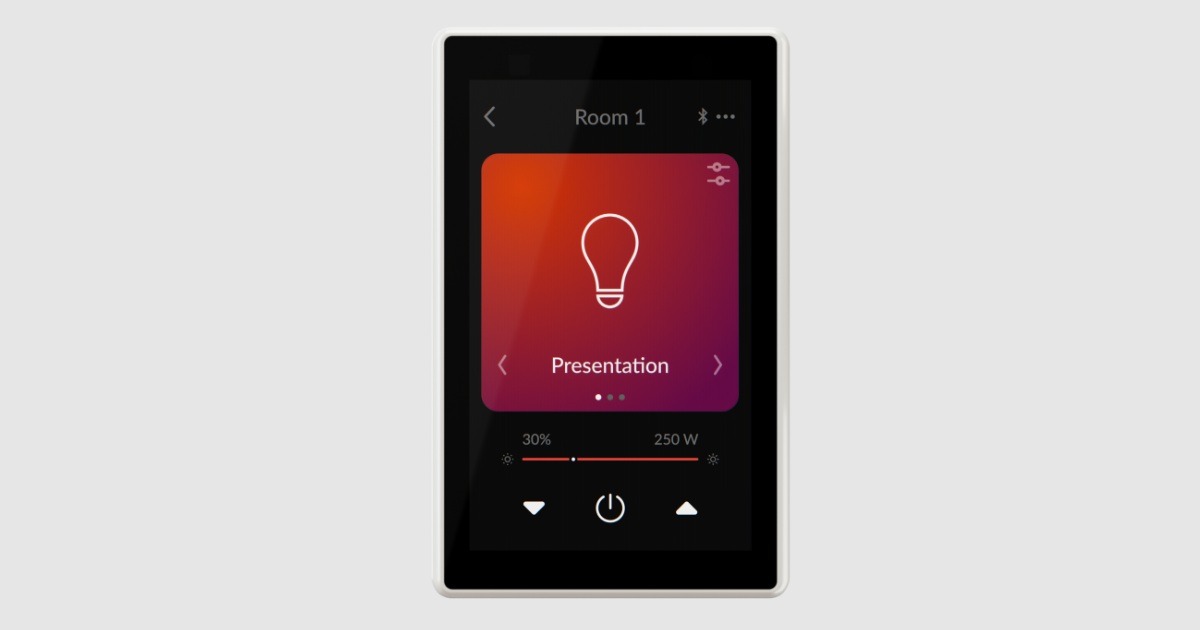
The combination of these characteristics allows the development of smart lighting systems, which can be controlled through mobile applications and can be configured to meet user preferences.
As a complementary trend, there is increased awareness and concern about the effects of lighting on health and mood. For example, blue light has been linked to sleep difficulties, and lamps with a poor colour rendering index (CRI) make indoor environments less appealing by distorting colour perception. In response to this, IESNA has created the TM-30-15 standard, which will improve how colour performance is described, replacing the CRI with a set of two measures and two colour charts.
Lighting designers can gain a competitive advantage by updating their knowledge of colour science and getting familiarized with the automation technologies that are being used on lighting systems.
The professional landscape is also evolving
The traditional approach to lighting design is through a local team that gathers in a physical workspace, but now teams are becoming international and offices are becoming virtual.
Freelancing platforms like LightPro are on the rise, connecting industry talent with manufacturers and clients from all around the world. To become more competitive, lighting designers must improve their skillset while getting familiarized with new ways of doing business.
Leonardo David is an energy consultant and writer at LightPro, a new online skills marketplace that serves as a central location for hiring lighting professionals from many different categories. Find out more: www.light.pro.