LEDVANCE: Understanding Light Beam Angles

July 22, 2026
Light Beam Angle: How It Affects Different Types of Lighting, Where It Is Applied & What to Consider When Choosing the Right One
A light beam angle is important in lighting design. It determines how light spreads within a space and influences both functionality and atmosphere. By understanding beam angles, you can achieve both adequate coverage and visual appeal. This guide explains why a beam angle matters, how it affects different types of lighting, where it is applied, and what to consider when choosing the right one.
What is Beam Angle
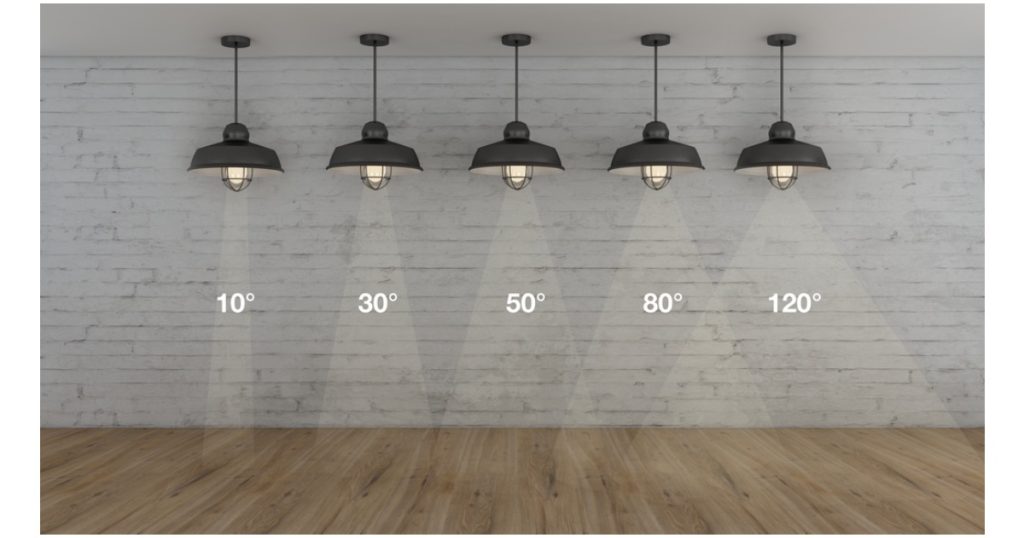
A light beam angle refers to the spread of light emitted by a luminaire, influencing factors such as intensity, coverage, and glare.
Terminology and standards for beam angles vary across industries, with several classification systems in use. However, one widely adopted classification system is established by the National Electrical Manufacturers Association (NEMA), which represents the largest association of electrical equipment manufacturers. Here is an LED beam angle chart for reference.
| Beam Angle | NEMA Type | Description |
|---|---|---|
| 10° – 18° | 1 | Very Narrow |
| 18° – 29° | 2 | Narrow |
| 29° – 46° | 3 | Medium Narrow |
| 46° – 70° | 4 | Medium |
| 70° – 100° | 5 | Medium Wide |
| 100° – 130° | 6 | Wide |
| 130° or more | 7 | Very Wide |
The Role of Beam Angles in Different Types of Lighting
Beam angles play a versatile role across different types of installations, from general to decorative lighting.
General Lighting:
In general lighting, which provides overall illumination to a space, beam angles tend to be wider. This ensures even distribution of light across the entire area, promoting visibility and a sense of brightness. Wider beam angles are preferred to cover larger areas effectively, such as in living rooms, kitchens, or offices, where task performance and overall ambiance are essential.
Accent Lighting:
Accent lighting aims to highlight specific features or objects within a space. Narrow beam angles are commonly used in accent lighting to focus light precisely on targeted objects, creating sharp contrasts and emphasizing their importance. For example, downlights or spotlights with narrow beam angles may be employed to illuminate artworks, architectural details, or retail displays, drawing attention and creating focal points.
Decorative Lighting:
Decorative lighting serves primarily aesthetic purposes, enhancing the ambiance and style of a space. Beam angles in decorative lighting can vary depending on the desired effect. For instance, decorative pendants or chandeliers may feature a combination of narrow and wide beam angles to create captivating patterns or to highlight specific design elements.
Applications of Different Beam Angles
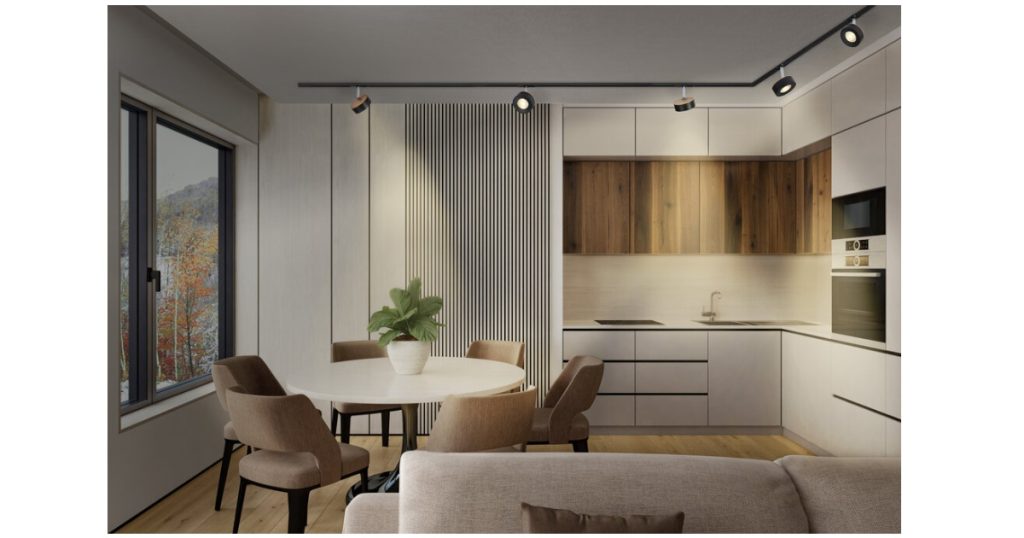
The application of different beam angles depends on the intended function and aesthetic objectives of the space. Narrow beam angles are often used in task-oriented areas such as kitchens, workstations, or art galleries, where focused illumination is crucial for performing specific activities or highlighting artworks. On the other hand, wider beam angles are ideal for general lighting in residential, commercial, and outdoor settings, ensuring even distribution of light for enhanced visual comfort and ambiance.
Choosing the Right Beam Angle for Your Lighting System
Selecting the right beam angle for your lighting system is crucial for achieving the desired illumination and ambiance in your space. Here’s a simplified guide to help you choose:
- Intended Use: Consider how the space will be used. Narrow beam angles are ideal for task-oriented areas like kitchens, while wider angles are suited for areas designed for relaxation.
- Architectural Features: Take into account the space’s architectural layout. Narrow angles can highlight features, while wider ones provide even illumination.
- Tasks and Activities: Think about the specific tasks conducted in the space. Focused beams suit task areas, while broader beams help create ambiance.
- Aesthetic Goals: Consider the mood you want to create. Narrow beams add drama, while wider ones offer a cozy feel.
- Consult Professionals: Seek advice from lighting experts or refer to beam angle charts for guidance.
Conclusion
In conclusion, understanding the significance of light beam angles is crucial for achieving effective and aesthetically pleasing lighting designs. By considering the applications and practical effects of beam angles, designers can unlock the full potential of lighting technology to create captivating and functional environments tailored to the needs of users.
For more information on LEDVANCE lighting solutions HERE

Light Beam Angle Light Beam Angle Light Beam Angle Light Beam Angle