EFC Working to Ensure HID Ballast Efficiency Requirements Consistent with Product Availability
Rob McIntyre
Electro-Federation Canada (EFC) is working with provincial jurisdictions to ensure HID ballast efficiency requirements are consistent with product availability. This will minimize market disruption and allow for an orderly winding down of the use of HID lamps in lighting applications.
For background, In 2012 CAN/CSA – C863-04 was passed as the energy efficiency standard for HID ballasts in Metal Halide and High Pressure Sodium Fixtures. Common metal halide and high pressure sodium fixtures range from 20 watts to 1000 watts, and are available for both outdoor and indoor applications. Outdoor applications of these lighting products are the most common, and are designed to operate in severe climate extremes.
Few (if any) traditional electromagnetic ballasts at 200 watts or below for metal halide ballasts and 250 watts and below for high pressure sodium ballasts can meet an 85% efficiency threshold. Only electronic ballasts designed for low wattage HID systems can meet an 85% efficiency level. Nearly all outdoor HID low wattage fixtures are designed to use electromagnetic ballasts. Fixed losses in electromagnetic ballasts, as a percentage of the rated wattage of the device, are taken into consideration in the efficiency levels shown in CSA C863-04 by listing lower efficiencies for lower wattage devices.
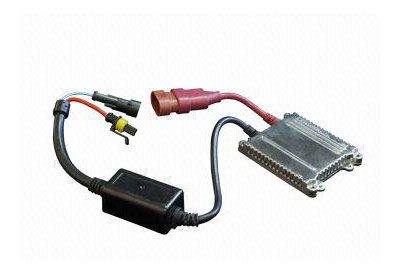
The only significant availability of HID electronic ballasts is for low wattage metal halide or ceramic metal halide (generally 150 watts and below) designed for use with indoor fixtures in conditioned spaces with good temperature control. When this ballast regulation first passed, it was reasonable to believe electronic ballasts would continue to be developed for HID lamps and that electronic ballasts would be developed for use in existing fixtures at all wattages. However, at this time there are a limited number of electronic HID ballasts available today, mostly for new low wattage metal halide fixtures designed for indoor applications.
During the past three years, development on HID electronic ballasts essentially stopped as industry has switched nearly all of its research and development activities to LED fixtures. New outdoor and indoor lighting applications that typically used HID fixtures in the past are switching rapidly to LED fixtures. This trend will ultimately see a shift away from HID lighting applications to be replaced by LED fixtures.
For more information, contact Rob McIntyre, EFC Manager Product Sections, rmcintyre@electrofed.com