How Do Solar Lights Work?
July 29, 2025
How Solar Lighting Works: What You Need to Know
Traditional lighting fixtures continuously consume power resources and increase carbon emissions. In contrast, solar lighting becomes more and more popular. With the development of green energy technology, solar lights have shown strong market potential in multiple application scenarios such as outdoor lighting, landscaping and public facilities.
Compared with traditional lighting equipment, they have the advantages of easy installation, low energy consumption and low maintenance cost. Solar lights can provide convenient and efficient lighting solutions.
So, how do solar lights work? This article will reveal its core components, advantages, and its working secret.
Basic Components
Ever wondered how these lights keep shining at night without being plugged in, just by soaking up sunlight during the day? The reason why solar lights can provide stable lighting at night is inseparable from their efficient energy conversion and intelligent control system. Before diving into what solar lights are and how they work, let’s take a look at what they are made of. Solar lamps are mainly composed of the following key components, with each part playing an indispensable role.
- Photovoltaic Panel: They typically consist of multiple photovoltaic cells made from semiconductor materials like silicon. When sunlight hits the panels, the photons in the light excite electrons in the cells, creating a flow of direct current electricity.
- Energy Storage Battery: The electricity collected by solar lights during the day needs to be stored for use at night. The capacity of the battery determines how long the solar light can work continuously on rainy days.
- LED Light: Solar lights usually use LED as the light source to ensure sufficient lighting with low power consumption.
- Controller: It is responsible for managing the charging and discharging process to prevent the battery from being overcharged or over discharged.
- Lamp Housing and Brackets: It is usually waterproof and dustproof, making it suitable for outdoor environments. The brackets are used to adjust the angle of the solar panels to ensure maximum absorption of sunlight.
Working Principle
The working process of solar lighting can be divided into three stages, which is charging, energy storage and discharging.
- Charging: Solar panels absorb sunlight and convert light energy into direct current. The controller regulates the current to ensure that the battery is charged in the best way and to avoid overcharging. Electrical energy is stored in the battery for use at night.
- Energy Storage: When the ambient light dims, the controller detects a decrease in light intensity and automatically switches to the discharge mode.
- Discharging: The battery releases the stored electrical energy to drive the LED lights to emit light. The next day after sunrise, the solar lights re-enter the charging mode and work in a cycle.
The working principle of solar light is to achieve green lighting in the true sense through the perfect combination of photovoltaic technology, energy storage system and intelligent control.
Pros & Cons of Solar Lights
Solar lights have gradually become a popular choice for lighting in homes, communities and even cities due to their unique advantages. Next, let’s analyze the pros and cons of solar lighting to help you fully understand their applicability.
Pros:
- Energy conservation, completely relying on solar power supply.
- Safe and reliable. By operating on low-voltage direct current, solar lights reduce the safety hazards commonly found in conventional lighting setups.
- Low maintenance cost. The life of an LED light source is more than 50,000 hours, far exceeding that of traditional bulbs.
- Easy to install. Particularly suitable for places such as gardens, courtyards and parking lots where it is difficult to lay cables.
Cons:
- Depending on the weather. If there is no sunlight for several consecutive days, it may lead to a reduction in lighting time or even make it impossible to work.
- The initial cost is relatively high. Compared with ordinary lights, solar lights are usually more expensive.
- The installation location has high requirements. The solar panel must be installed in an unobstructed area, otherwise the charging effect will be greatly reduced.
If you are located in a region with abundant sunlight and are looking for a low-maintenance, eco-friendly lighting solution, solar lanterns are an excellent option.
As photovoltaic technology and energy storage systems continue to advance, the current limitations of solar lanterns are expected to diminish over time, making them even more efficient and versatile.
Types & Application Areas for Solar Lighting
This section introduces several main types of solar lighting and their application areas. Learn how this green technology provides lighting solutions for different environments.
Garden Lights
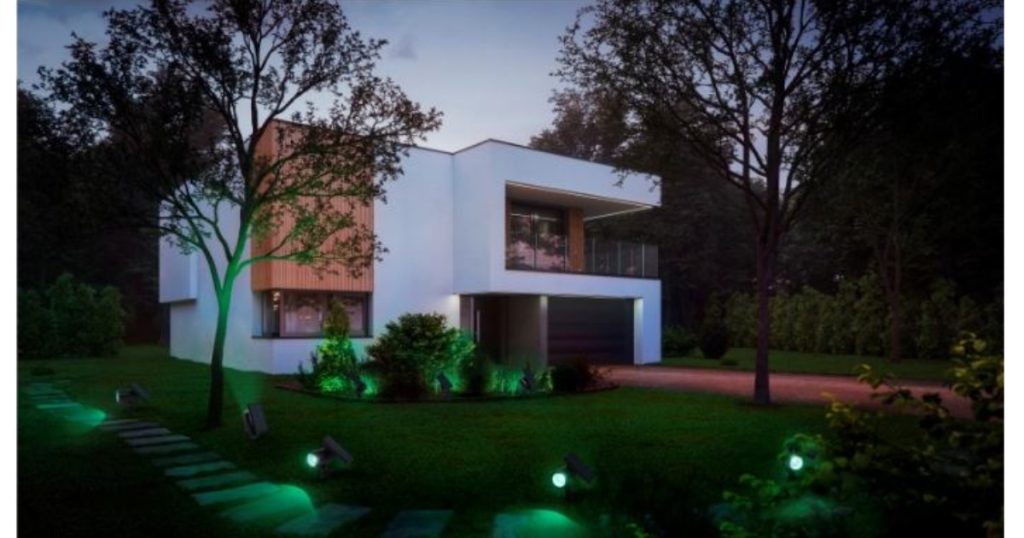
Garden lights are widely used in gardens, courtyards and residential roads, usually equipped with solar panels, batteries and LED lights. Modern solar garden lights are both decorative and functional. They come in a variety of styles, including antique lanterns and modern minimalist styles.
Solar lights for gardens are also equipped with intelligent functions such as human body sensing and color-changing dimming. With advantages such as zero electricity bills and no wiring required, solar garden lights are becoming the preferred lighting solution for high-end residences and ecological landscapes.
Lawn Lights
It has a simple design and is usually inserted into the soil. It is suitable for embellishing lawns, paths and flower beds. Through the soft diffused light effect, lawn lights can not only safely illuminate the courtyard paths and lawn edges but also create a warm and romantic night atmosphere.
Street Lights
Solar street lights are commonly found for lighting on urban roads, parks, community roads and rural roads. Modern solar streetlights are usually equipped with advanced features such as intelligent dimming, human body sensing, remote monitoring, etc., which can provide 6-12 hours of stable lighting.
In rural areas, solar street lights solve the problem of nighttime lighting in areas with weak grid coverage, significantly improving villagers’ travel conditions and public security. Scenic spots and ecological protection areas use their zero wiring characteristics to achieve non-destructive landscape lighting.
Flood Lights
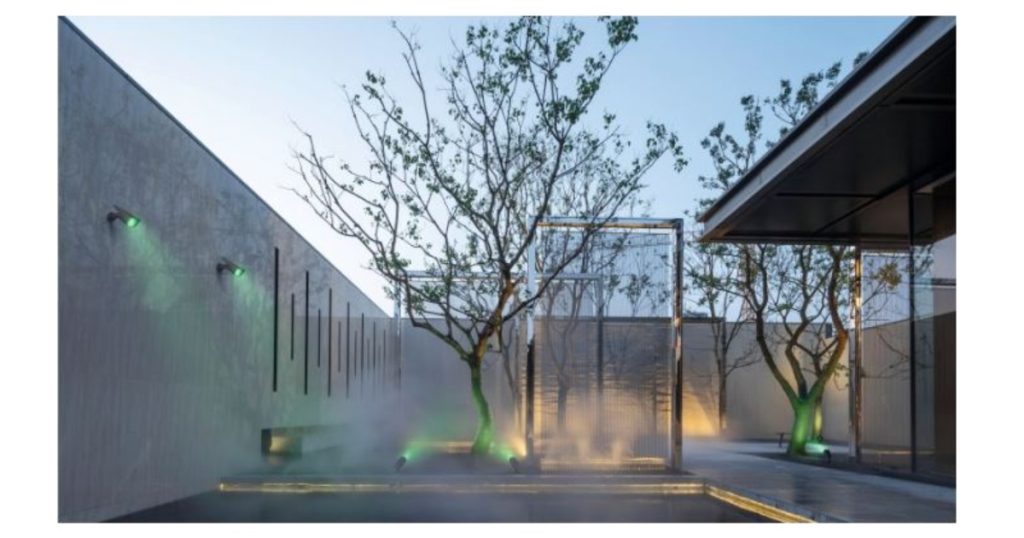
As a large-scale environmentally friendly lighting solution, solar flood lighting is widely used in building facade lighting, sports stadiums, billboard lighting and square landmarks. With an LED light source and solar lighting system, it can achieve uniform lighting for large objects such as the appearance of buildings and sculptural landscapes. It not only highlights the aesthetic appeal of buildings at night but also avoids the energy consumption problem of traditional floodlights.

Traffic Lights
It is an innovation in intelligent traffic management. Solar system lights ensure the continuous operation of traffic signals in extreme weather and power outage situations. With the continuous advancement of technology and the reduction of costs, the application of solar lighting will become richer and more diverse.
Why Do Solar Lights Only Charge with Natural Sunlight and Not with Artificial Light?
The main reasons why they can only absorb natural sunlight but cannot effectively utilize artificial light are as follows:
Solar panels are designed and made to capture specific wavelengths found in natural sunlight. Sunlight is strong and covers a broad range of wavelengths, including a lot of visible and near-infrared light. These types of light are what solar cells can absorb and convert into electricity efficiently. On the other hand, artificial light sources like indoor incandescent bulbs, fluorescent lamps, or LEDs have a much narrower spectrum and lower intensity compared to sunlight. Because of this, they don’t provide enough energy for solar panels to charge effectively.
Besides, the charging efficiency of solar lights depends heavily on light intensity. Natural sunlight has a much higher energy density than typical artificial light sources. That’s why solar lights for outdoors need strong, consistent sunlight during the day to store enough energy for reliable use at night. Artificial light is usually weaker, more scattered, and doesn’t last as long so it can’t meet the changing needs of solar lamps.
In addition, the light sensor system in solar light is designed to detect changes in natural light, allowing the light to turn on and off automatically. This helps prevent false triggers caused by artificial light sources, ensuring stable operation and extending the lamp’s lifespan.
Conclusion
Solar lights, known for being eco-friendly, energy-efficient, and easy to use, are steadily transforming the way people light their surroundings. By combining solar panels, batteries, LED lights, and smart control systems, they enable a fully automated cycle, which is charging during the day and lighting at night. Whether for residential areas or large-scale public lighting, solar lights have shown significant value and potential.
As solar technology continues to advance, the industry can expect even higher efficiency, lower costs, and broader applications. Choosing the best solar outdoor lighting isn’t just a way to reduce energy expenses, it’s also a step toward supporting a more sustainable future for our planet.
FAQs
1. Do Solar Lights Need Batteries?
- Yes, solar lights usually require batteries, which is one of the key components for them to work properly. Solar lights need batteries to store the solar energy during the day so that they can continue to illuminate at night or on rainy days.
2. How Do Solar Lights Work at Night?
- Solar lights automatically turn on at night using a built-in light sensor. They use the electricity collected by the solar panels and stored in the battery during the day to power the LED light. The whole process is fully automatic, helping save energy without the need for manual operation.
3. Do Solar Lights Work in Winter?
- Solar lights can still be used in winter. As long as there’s sunlight during the day, the battery can store enough energy to power the lights at night. While winter days are shorter and sunlight is less intense, solar lights will continue to work as long as the panels are clean and free of snow. The lighting time may be a bit shorter than in summer, but overall performance remains reliable.

solar lighting solar lighting solar lighting solar lighting solar lighting solar lighting solar lighting solar lighting solar lighting