Layering Types of Light For Functional and Dynamic Spaces
January 21, 2025
Most indoor spaces can benefit from the application of different types of light. This benefit is valid for commercial and residential applications. There are three types of lighting systems: ambient (general) lighting, task (focused) lighting, and accent (attention) lighting.
The key components of layered lighting design are ambient, task, and accent lighting. They create a balanced, functional, and aesthetically pleasing space when used together.
Ambient lighting is the foundation of the room
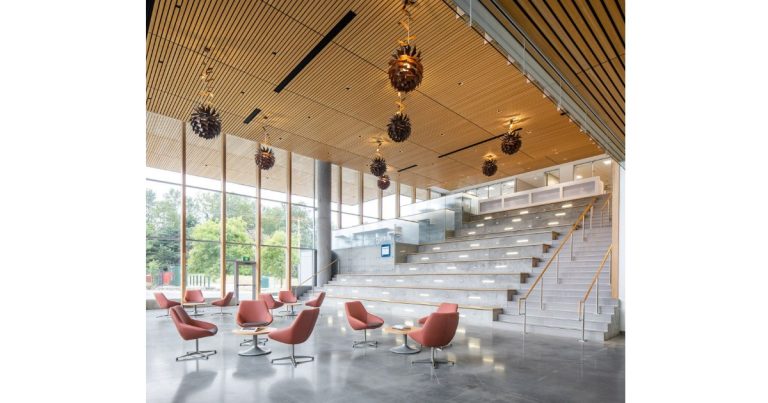
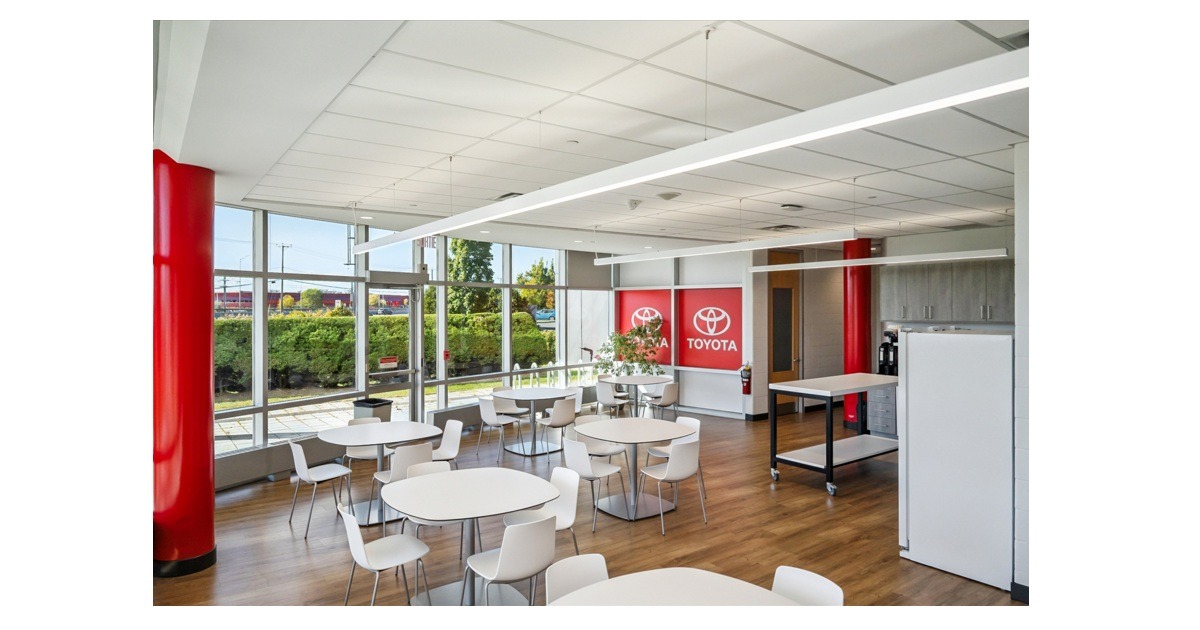
Ambient is the type of illumination that gives visual life to the environment by providing a consistent general illuminance, enabling room navigation. The illumination level may not always provide a suitable light level for an occupant to perform a task, but it gives sufficient illumination to the visual perception of the space. If used alone, This type of illumination can cause visual fatigue. Lighting fixtures like recessed lighting, flush-mount ceiling lights, or suspended linear lights often provide the ambient base.
Dimmers and other intelligent controls may adjust ambient brightness based on the time of day or desired mood. Color temperature (e.g., warm white for a cozy atmosphere or cool white for a modern look) that complements the room’s purpose is also a consideration for light fixtures that provide ambient light.
Task lighting provides an illuminated focus for specific activities
Combining ambient and task lighting will help improve work performance and reduce visual fatigue in work areas requiring periods of concentration. Task lighting is the type of illumination that concentrates illumination levels where the projects are located and gives the occupant the needed illumination to complete the project. Proper task lighting design ensures the lighting is bright enough to reduce eye strain but does not create harsh shadows. Task lighting fixtures are typically installed directly over the area where activities are performed.
Task lighting fixture types range from desktop lamps, suspended pendants, under-cabinet fixtures, and millwork-installed linear lights. Professional lighting designers can integrate task lighting to complement the room’s design style while promoting the required functionality.
Create a memorable space with accent lighting
Accent is the type of illumination that draws the visual interest to specific features, structures, or objects in the room. Consider retail, hospitality, or residential spaces where artwork, sculptures, or architectural components such as structural beams, coves, and cabinetry are focal components of the room. Accent lighting can draw attention to these elements, creating engaging and memorable environments. Fixtures used in accent applications may include micro-profile linear fixtures in coves or color-changing strip lights that graze a wall with architectural features.
Different from ambient and task lighting illumination, accent lighting does not need to contribute to the illuminance levels of the space. The Illuminating Engineers Society of North America (IES) has no rules of thumb for establishing any illuminance influence from accent lighting. While accent lighting may support the perceived brightness of a space, it is typically applied for design impact rather than illumination requirements.
Layering a room with light combinations
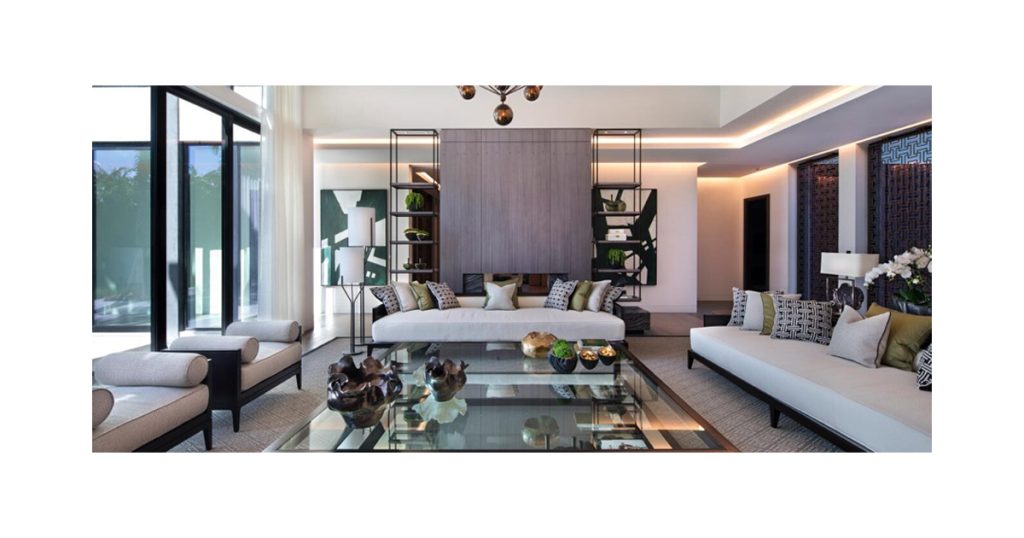
When combining these three types of illumination, the lighting designer can create environments with greater visual interest than space by using only one type in each environment. These three types of lighting improve work performance and create a more pleasing visual environment for all.
Ambient light creates the base; task lighting enables functionality and accent lighting enhances depth and character. A well-designed space will find the right balance of all three and avoid letting one type overpower the others. The use of dimmers and other controls will help achieve harmony.