Infrastructure Lighting Fixtures: Why Scale Matters

July 10, 2025
Infrastructure Lighting: Aesthetics, Functionality, Safety & Long-Term Performance
In infrastructure projects, the size and scale of outdoor lighting fixtures are critical—not just for aesthetics, but for functionality, safety, and long-term performance. Whether lighting a streetscape, transit hub, or civic plaza, appropriately scaled fixtures help create environments that are both visually coherent and effectively illuminated.
Visual Balance & Civic Identity
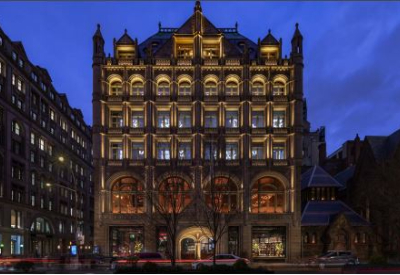
Public lighting plays a role in shaping how spaces feel after dark. Well-proportioned fixtures contribute to a unified visual experience that reinforces architectural character and community identity. Oversized poles or luminaires can overwhelm pedestrians and detract from historic or human-scale environments. Undersized fixtures, on the other hand, may get lost in the landscape or appear out of place in large open areas.
Function-First Illumination
Scale directly affects performance. Fixtures that are too small may fail to deliver uniform light levels or meet required foot-candle standards. Fixtures that are mounted too high—or too low—can result in glare, hotspots, or underlit zones. Public spaces require safety, accessibility, and wayfinding, so scale must be matched to both the physical space and the lighting application.
Guidelines for Choosing Fixture Scale in Public Spaces
Here are some practical considerations when specifying fixture scale for infrastructure settings:
- Evaluate the Context: Taller poles and larger luminaires are appropriate for wider streets, while lower-scale fixtures better suit walkways and parks.
- Factor in Mounting Height: The higher the fixture, the wider the spacing—but also the more important precise optics become. Scale the luminaire appropriately to prevent perceived under sizing at higher mounts.
- Prioritize Visibility and Safety: Glare control, cutoff angles, and luminaire design all interact with size. Consider how the fixture will perform not just from up close, but from a distance and across seasons.
- Plan for Visual Hierarchy: Use scale to define zones—large-scale fixtures for roadways or plazas, mid-scale for pedestrian areas, and small-scale bollards or accent lights for intimate or landscaped zones.
- Use Mockups or Simulations: When in doubt, photometric models—like the ones easily created with the free Light ARchitect app from Cooper Lighting—can help stakeholders visualize fixture scale in context.
Getting Scale Right Pays Off
Thoughtfully scaled infrastructure lighting contributes to more than just illumination—it supports safety, enhances wayfinding, reinforces placemaking goals, and ensures public funds are well spent. The right fixture size leads to environments that feel intentional, efficient, and welcoming for all users.
Click here for more information about Streetworks infrastructure lighting solutions.