CSC LED: Why Blue Light at Night Is a Problem & How Amber Optics Solve It
March 16, 2026
Why Amber Optics Are Gaining Traction in Modern Outdoor Design
Outdoor lighting plays a critical role in safety, visibility, and security—but not all light is created equal. In recent years, increased awareness around blue-rich white light has raised important questions about its impact on human health, wildlife, and the night sky. As municipalities, designers, and property owners look for better solutions, Amber Optics are becoming an increasingly relevant option for exterior applications.
Understanding why blue light at night is a problem helps explain why amber lighting is gaining traction in modern outdoor design.
The Problem with Blue Light After Dark
Blue light has a short wavelength that scatters easily in the atmosphere. While this can be useful for daytime visibility, at night it creates several unintended consequences.
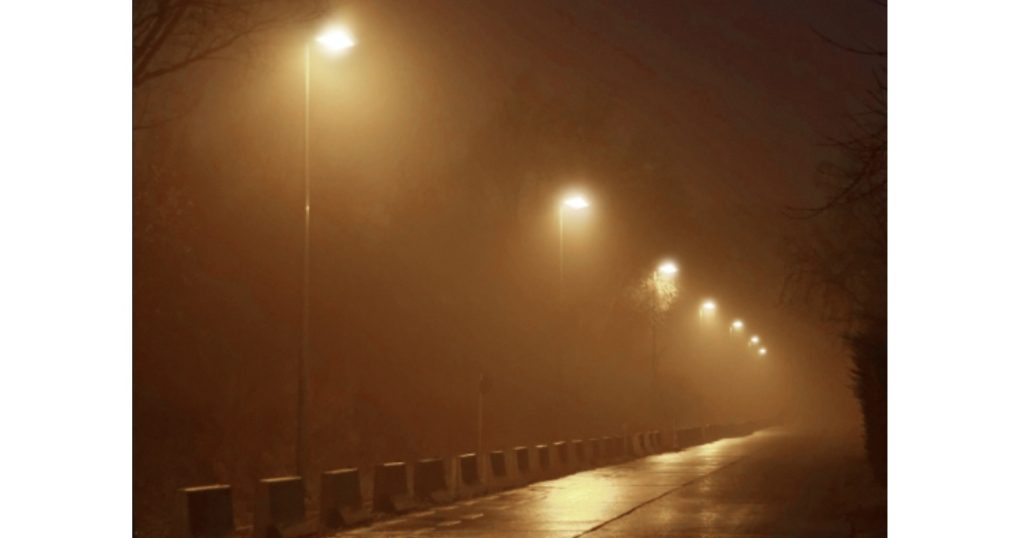
From an environmental perspective, blue light contributes significantly to sky glow, washing out the night sky and increasing light pollution in urban and suburban areas. This scattering also leads to glare and light trespass, where light spills into neighbouring properties or windows rather than staying focused where it’s needed.
There are also growing concerns around human health and wildlife. Blue-rich lighting can interfere with natural circadian rhythms, disrupting sleep patterns for residents and affecting nocturnal animals that rely on darkness to navigate, feed, and reproduce. For communities close to residential areas, these impacts often result in complaints, stricter lighting regulations, and the need for costly retrofits.
DarkSky, Regulations & Community Expectations
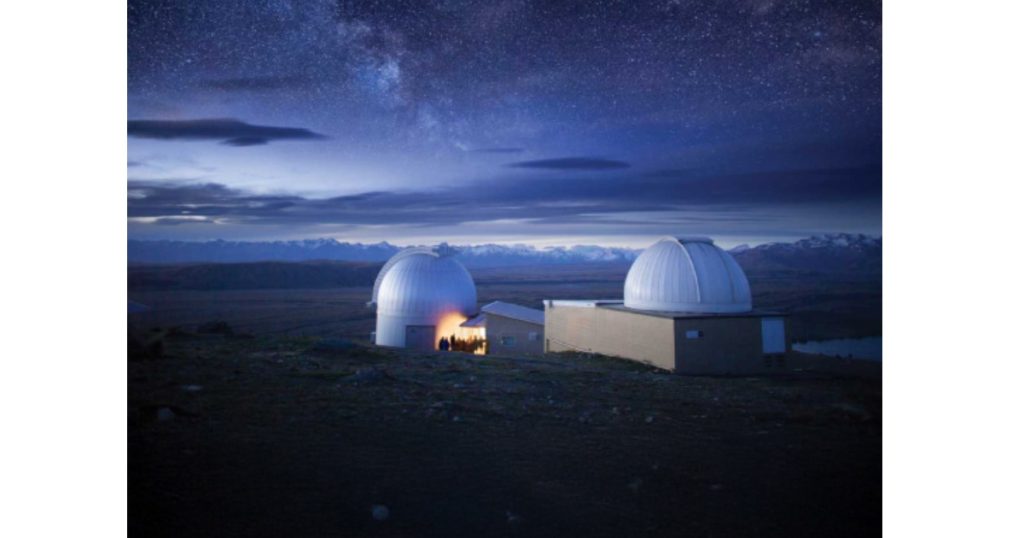
As awareness increases, many municipalities and organizations now follow DarkSky principles, which aim to reduce light pollution while maintaining safety and visibility. These guidelines encourage lighting solutions that minimize glare, reduce uplight, and limit blue light content—especially in nighttime environments.
Meeting these expectations doesn’t mean sacrificing performance. Instead, it requires a more thoughtful approach to fixture selection, optics, and colour temperature—particularly for exterior fixtures like wall packs and area lights that operate throughout the night.
How Amber Optics Provide a Smarter Alternative
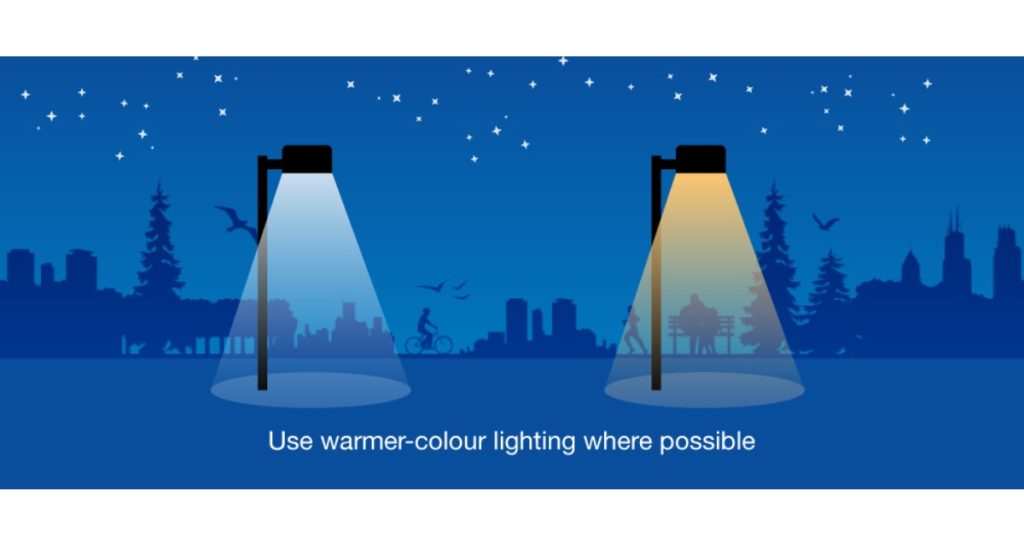
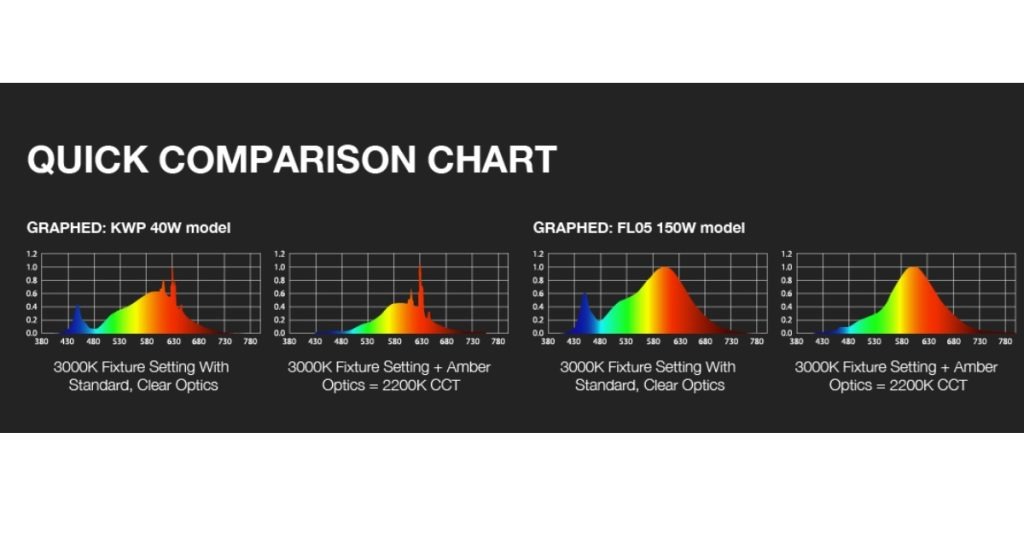
Amber optics address many of the challenges associated with blue light by shifting the output to a warmer, longer wavelength. This significantly reduces atmospheric scatter, helping keep light focused on the ground where it’s needed rather than spilling into the sky or nearby properties.
From a visual standpoint, amber light delivers comfortable, low-glare illumination that supports visibility without being harsh or disruptive. From an environmental and health perspective, it’s far less intrusive to surrounding communities and wildlife, making it an ideal choice for sites located near residential areas or environmentally sensitive zones.
Learn more about CSC LED’s Amber Optics solutions HERE
Applying Amber Optics to Keystone Wall Packs (KWP)
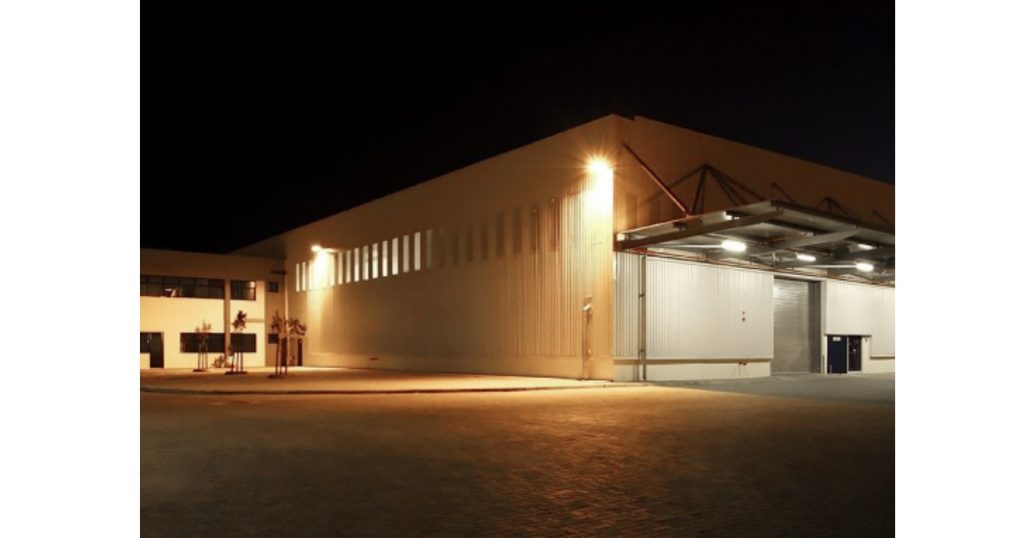
CSC LED’s Keystone Wall Packs are designed to illuminate building perimeters, entrances, and service areas—places where controlling glare and light spill is critical. When paired with their Amber Optics, the KWP delivers dependable perimeter lighting while significantly reducing blue light output and unwanted light intrusion.
The amber optics work seamlessly with the KWP’s full cutoff design, directing light precisely where it’s needed and keeping it off neighbouring properties and the night sky. When combined with motion sensors, the system becomes even more effective—providing increased illumination only when activity is present, then returning to lower light levels during inactive periods.
This setup maintains site safety and visibility while supporting DarkSky-friendly lighting practices, making Keystone Wall Packs with Amber Optics a smart solution for commercial and residential-adjacent applications where performance and responsibility matter equally.
Applying Amber Optics to FL05 Area Lights
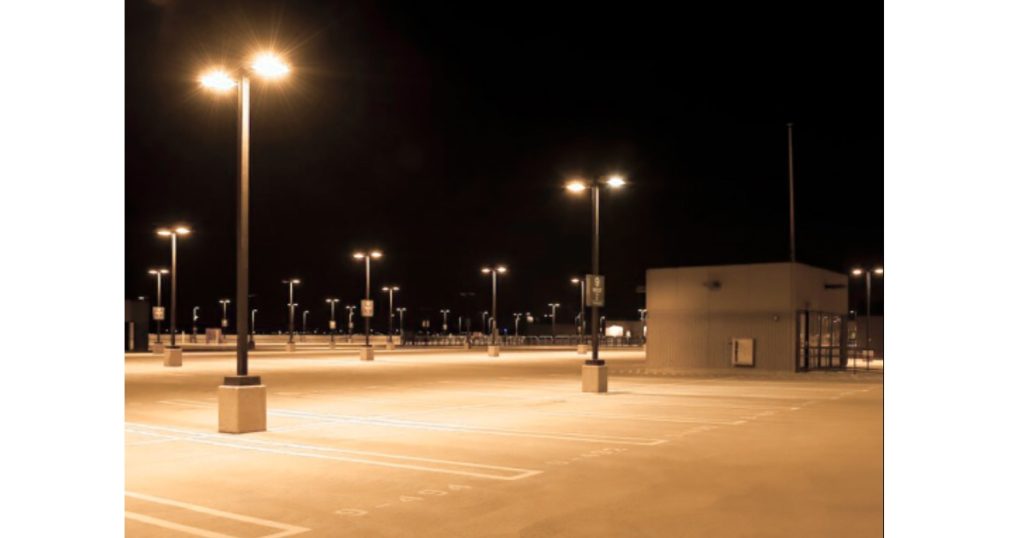
CSC LED’s FL05 Area Lights are engineered to illuminate parking lots, drive lanes, and large exterior spaces with consistent, uniform coverage. When paired with their Amber Optics, the FL05 becomes a powerful solution for sites that need visibility without excessive brightness or disruptive light spill.
The amber optics reduce blue-rich light that commonly contributes to glare and sky glow, helping the FL05 deliver controlled illumination that stays focused on the ground where it’s needed. This results in improved visual comfort for drivers and pedestrians while minimizing uplight and light trespass into nearby properties.
FL05 Area Lights with Amber Optics are especially effective for commercial and mixed-use sites located near residential areas, offering dependable performance while supporting DarkSky-conscious lighting design and more responsible nighttime environments.
A Practical, Responsible Lighting Choice
Amber optics aren’t about removing light—they’re about using light more responsibly. When applied thoughtfully to wall packs and area lights, they help address common industry challenges, including light pollution, community complaints, regulatory compliance, and environmental impact.
By choosing lighting solutions that respect the night while still supporting safety and functionality, designers and contractors can create exterior spaces that work better for everyone—from property owners and occupants to neighbours and the natural environment.
Interested in responsible outdoor lighting? Discover how CSC LED’s FL05 Series supports smarter, DarkSky-friendly design HERE
For more information on CSC LED lighting solutions HERE