LRC Survey Regarding The Public’s Views on UV Disinfection Products
LDS LRC UV survey 400

Sept 4, 2020

The present pandemic crisis has raised the profile of ultraviolet (UV) technologies designed to provide disinfection in a variety of buildings, including hospitals, long term care facilities, food service establishments, and offices. While some UV technologies are mature, several new technologies are not. In particular, new UV-LED products are now being offered for sale. With increasing options for products and applications, many consumers and product specifiers have questions about the safety, effectiveness, and energy efficiency of these products.

In order to address these concerns, the Lighting Research Center (LRC) at Rensselaer Polytechnic Institute is currently examining a range of UV disinfection technologies. The goal of this work is to provide information that will help decision makers select UV products that are effective, safe, and energy efficient. A unique feature of this effort is the testing and evaluation of several UV disinfection products. This project is supported by members of the LRC’s Lighting Energy Alliance and the McClung Lighting Research Foundation.

 “A hallmark of the LRC over the past 30 years has been our ability to accurately measure and evaluate lighting and related technologies,” said Dr. Mark Rea, the lead researcher on this effort. “Timely, accurate information on the performance and safety of UV products is crucial to people making decisions about the purchase and use of these technologies.”

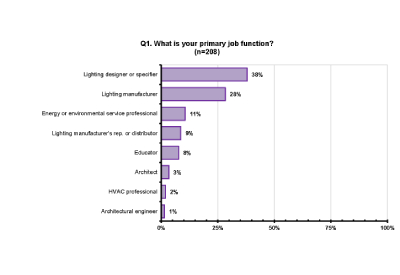
 To launch the project, the LRC administered an online survey asking about people’s experiences with and concerns about UV disinfection products. Responses to the survey were received from over 200 people in June and July 2020. As shown in Figure 1 below, the largest percentage of respondents were lighting specifiers (38%) followed by lighting manufacturers (28%). Also responding were energy service personnel (11%) and lighting manufacturers’ representatives and distributors (9%). A few responses came from educators (8%), architects (3%), HVAC professionals (2%), and architectural engineers (1%).

Visit the LRC website HERE for the full survey results
Related Articles


Changing Scene


Design

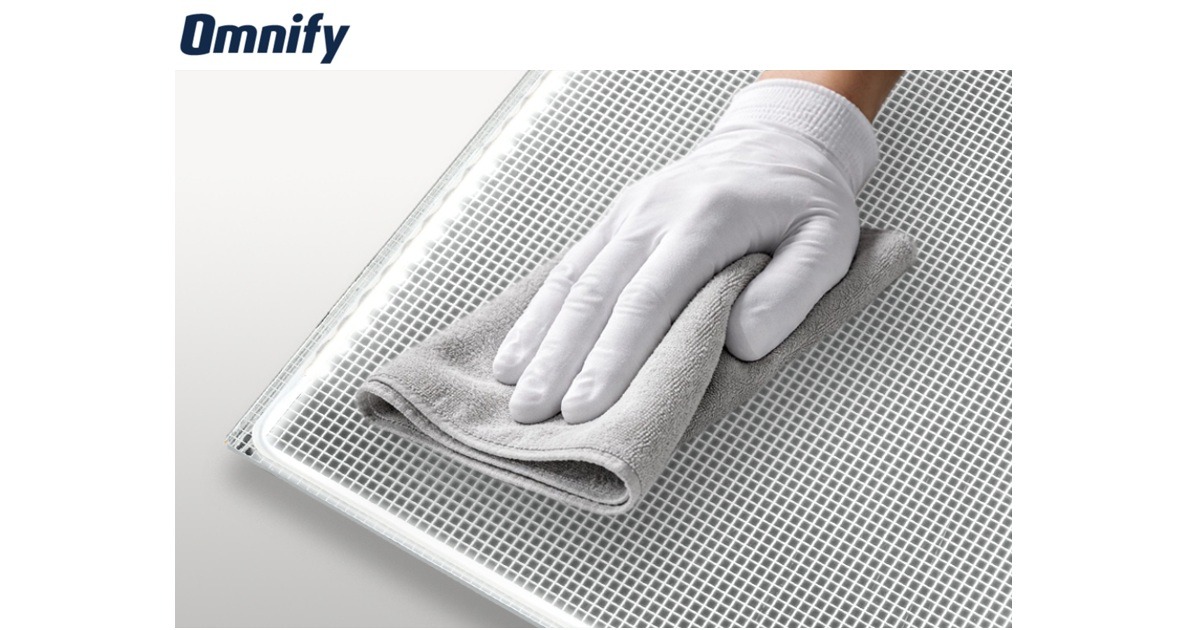
  • Omnify: 7 Common Light Panel Mistakes (And How to Fix Them)

    Omnify: 7 Common Light Panel Mistakes (And How to Fix Them)

    You’ve invested in premium LED light guide panels for your retail display or commercial project. The specs looked perfect. The samples were gorgeous. But now? Something’s off. Maybe the lighting is uneven, or panels are starting to fail way before they should. Here’s the thing, most LED light guide panel problems aren’t manufacturing defects. They’re… Read More…

  • Legrand: The Benefits of DMX Lighting in Modern Commercial Spaces 

    Legrand: The Benefits of DMX Lighting in Modern Commercial Spaces 

    DMX lighting is a powerful control protocol originally developed for theaters and entertainment venues, but its reach has expanded far beyond the stage. Today, DMX is increasingly used in commercial, educational, healthcare, and architectural environments to create dynamic, color-rich, and adaptable lighting experiences. Where traditional lighting systems focus primarily on on/off and dimming control, DMX… Read More…


New Products

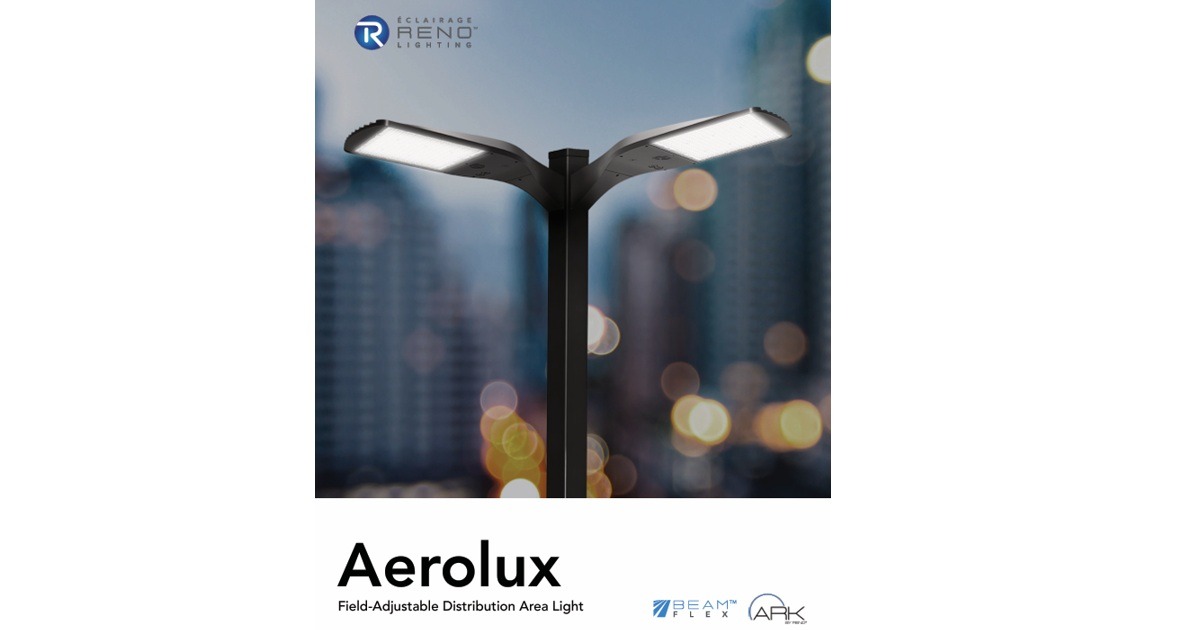
  • RENO Lighting: Aerolux – Adaptive Area Light with Field-Adjustable Distribution

    RENO Lighting: Aerolux – Adaptive Area Light with Field-Adjustable Distribution

    Meet the Aerolux Series—a sculpted area light with on-site adjustable distribution, delivering precise, adaptable illumination across a range of applications. With a slim, curved profile and durable die-cast aluminum construction, Aerolux combines refined design with lasting performance and durability. One fixture. Multiple configurations. No compromises. Aerolux reduces SKU complexity while increasing on-site flexibility, and is… Read More…

  • LEDVANCE: SYLVANIA TruWave Technology

    LEDVANCE: SYLVANIA TruWave Technology

    TruWave Technology is a lighting technology developed by SYLVANIA. It provides the closest possible lighting experience to natural light by mimicking the natural light spectrum. Natural light is the most common light source in daily life, and it helps regulate body clocks and improve mood and focus. However, in indoor environments, the amount of natural… Read More…