Revision to Chromaticity Standard Extends Range
April 12, 2017
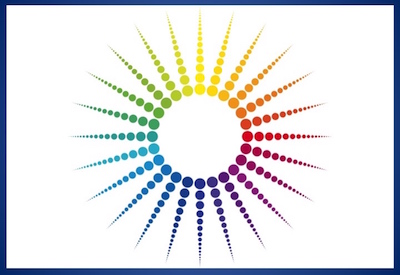
ANSI C78.377-2015 American National Standard for Electric Lamps — Specifications for the Chromaticity of Solid-State Lighting (SSL) Products provides the range of chromaticity (colour) for general SSL products. It applies to LED products (SSL that uses light-emitting diodes) for general indoor lighting applications.
The ANSI C78 committee is working on a revision that extends the chromaticity range. This change is needed to extend the chromaticity recommendations for general SSL products to specify regions below the blackbody (Planckian) locus. The extended range will enable energy-efficient LED products, which were designed to replace traditional light sources, to be considered for future Energy Star certification.
The chromaticity coordinates of light sources for lighting have been designed around the Planckian locus for decades. However, recent studies question whether light sources on the Planckian locus, particularly at correlated colour temperatures (CCTs) below 4000 K, are adequate for all applications. These studies support the premise that light sources with chromaticity in the extended CCT categories are adequate for many applications.
In the C78.377 revision currently underway, extended specifications are being added as options for products designed with chromaticity points that are suitable for some lighting applications. The standard will not render a judgment on the preference or perception of white or natural light. Instead, it will simply extend the designation of chromaticity regions. The standard will specify only standardized chromaticity regions and will not relate to colour quality metrics such as fidelity, chroma saturation or colour discrimination. Specifications of the existing chromaticity standard remain intact without modification.
The current revision process for points below the blackbody has been underway since May 2014. The ANSI C78 Working Group 9 is currently resolving the latest round of committee comments. The committee draft for vote and corresponding public review is likely to be released in the second quarter of 2017, with a final publication date toward the end of 2017.
Michael Erbesfeld is Program Manager, Lighting Systems Standards, NEMA. This article was first published in the February 2017 issue of electroindustry: https://goo.gl/RXRw3a.