The Residential Contractor’s Guide to Layering Light
July 2, 2025
Layer Light Like a Pro with These Best Practice Tips
Most residential contractors focus on structure, layout, and finishes — but lighting can sometimes be treated as an afterthought. That’s a missed opportunity. In reality, lighting has the power to transform a home just as dramatically as flooring, cabinetry, or countertops. And yet, it’s one of the least understood elements of residential construction.
Too often, lighting plans default to the basics: a central ceiling fixture here, a few recessed cans there. Functional? Sure. But memorable? Not even close.
That’s where layered lighting comes in — a deceptively simple design principle that adds depth, mood, and polish to every space. With a few strategic choices, you can elevate the look and feel of an entire home — and position yourself as a contractor who delivers more value for your clients.
This guide breaks down how to layer light like a pro — no design degree required, just a sharper approach to lighting planning.
What Is Layered Lighting?
Layered lighting refers to the strategic use of multiple types of lighting — ambient, task, and accent — to create depth, flexibility, and visual interest in a space. This method transforms flat, one-dimensional lighting into a dynamic atmosphere that adapts to different needs and moods.
The three core layers are:
1. Ambient Lighting
The foundational illumination that lights up a room, making it usable, safe, and inviting – without it, a room can feel shadowy even if there’s strong task or accent lighting. Ambient lighting includes ceiling-mounted fixtures, recessed cans, or even a well-placed chandelier.
2. Task Lighting
Delivers focused, functional illumination exactly where it’s needed for specific activities — like reading, cooking, or grooming. Examples include under cabinet lighting, desk lamps, and bathroom vanity lights. Task lighting supports multi-purpose spaces and reduces eye strain.
3. Accent Lighting
Often overlooked, decorative or directional fixtures add depth, drama, and visual interest by highlighting architectural features, artwork, or even texture. Wall sconces, picture lights, and LED tape lighting fall into this category.
Why Layered Lighting Matters in Residential Construction
Most residential builds and retrofits rely heavily on ambient light alone — often a central ceiling fixture or a grid of downlights. While functional, this approach can leave a home feeling cold, flat, or uninviting. That’s where layering adds value by allowing you to:
- Improve Function: Different tasks require different light levels and placements, e.g., cooking, reading/doing homework, watching TV.
- Enhance Aesthetics: Highlight design elements or materials you worked hard to install.
- Boost Energy Efficiency: Multiple light sources allow homeowners to use only the light they need at a given time.
- Increase Resale Appeal: Smart lighting feels custom, looks premium — and buyers notice.
A Room-by-Room Lighting Strategy
Let’s break down layering by space so you can guide customers with confidence:
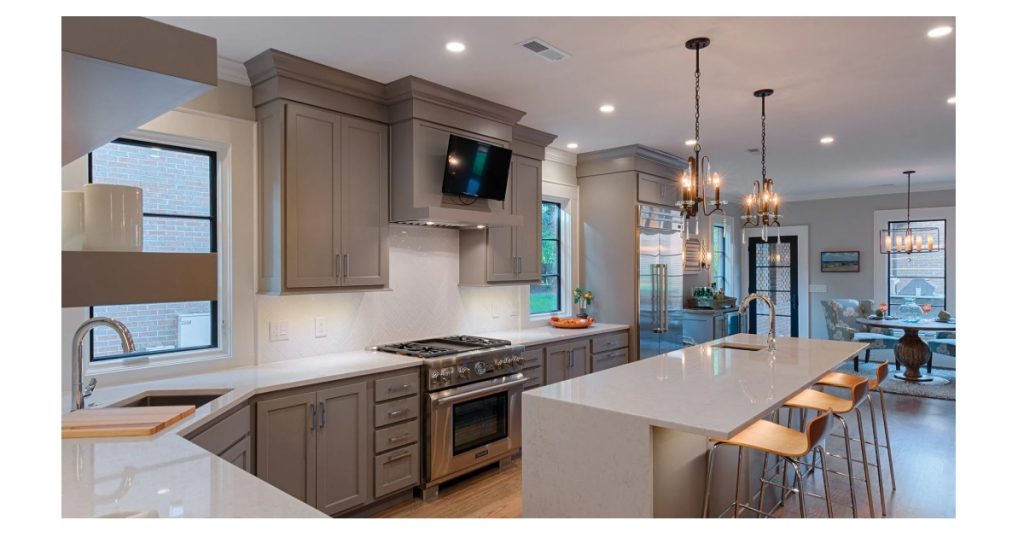
Kitchen
- Ambient: Downlights (canless/cans/surface mounts).
- Task: Under cabinet fixtures for counters, pendant lights over islands.
- Accent: Toe-kick lighting or uplighting above cabinets.
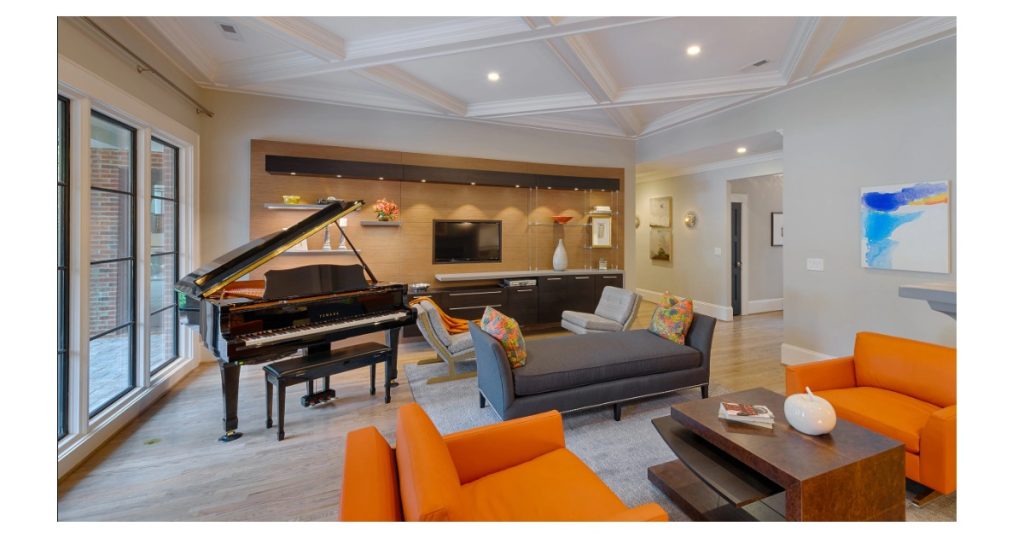
Living Room
- Ambient: A chandelier or cove lighting paired with downlights.
- Task: Floor lamps near reading chairs or table lamps.
- Accent: Picture lights over art or directional track heads.
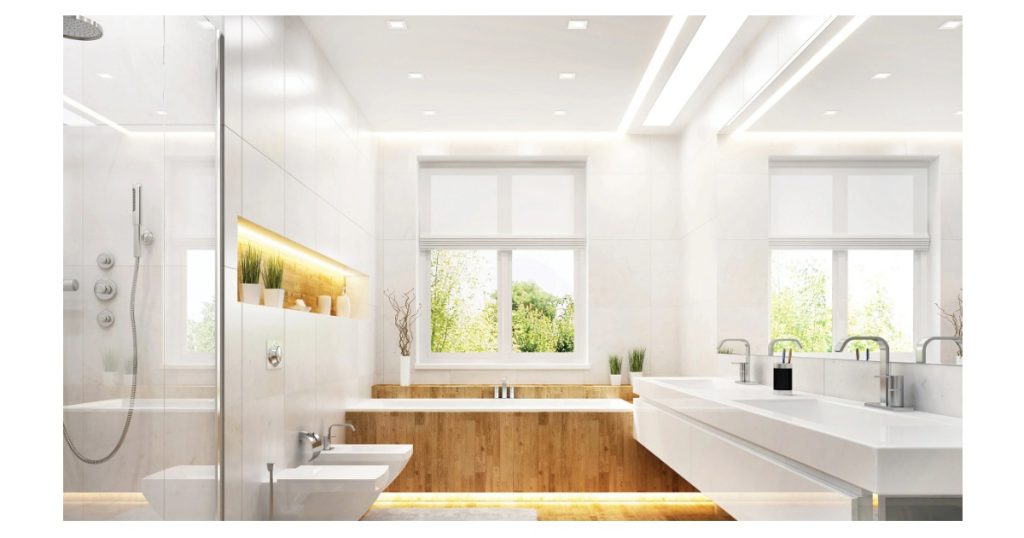
Bathroom
- Ambient: Overhead fixture or recessed lighting with high CRI.
- Task: Vertical sconces flanking the mirror (avoid only overhead vanity bars).
- Accent: LED strips under floating vanities or in niches.
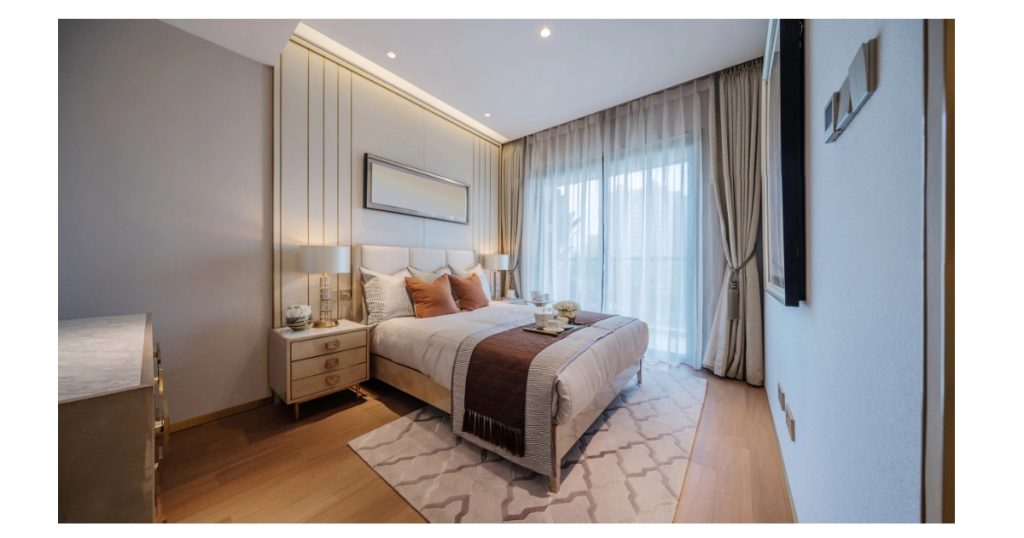
Bedroom
- Ambient: Ceiling fan light or recessed downlights.
- Task: Swing-arm sconces or bedside table lamps.
- Accent: Cove lighting or uplighting for a calming evening glow.
Pro Tips for Residential Contractors
1. Think in Layers from the Start
When adding layered lighting during a retrofit, start planning during rough-in for wire runs and junction boxes.
2. Offer Dimmers as Standard
Dimmer switches increase flexibility and mood control — a small upgrade that feels like a luxury to homeowners.
3. Include Night Lights
Night lights act as low-level task lighting for nighttime navigation on stairs, in hallways and bathrooms. Combine with a motion detector for extra safety.
4. Embrace LEDs with Adjustable Color Temperatures
Selectable Color Temperatures (CCT) or tunable white technology can shift the mood from bright and energizing to warm and cozy.
5. Collaborate With Your Electrician
Coordinate placement, load planning, and control options early on.
6. Educate Your Clients Visually
Use mood boards or sample setups to help them “see” the impact of good lighting design.
You don’t need a lighting degree to bring a designer’s touch to your residential projects — just follow the basic principles of light layering. Incorporate ambient, task, and accent lighting thoughtfully, and you’ll create homes that look better, function better, and ultimately sell better.
Your clients will thank you — and so will your bottom line.

Layer Light Layer Light Layer Light Layer Light Layer Light Layer Light