LightForm: Where Lighting Design Is Headed in 2026
January 13, 2026
4 Design Directions Shaping How to Light Spaces: LightForm Lighting Insights for 2026
Wondering where lighting design is headed this year? Lucky for you, the team at LightForm are experts on the matter. Lighting in 2026 isn’t about chasing novelty for novelty’s sake. It’s about intention. Presence. Flexibility. It’s about materials that feel considered rather than concealed.
What has emerged are clear design directions that prioritize atmosphere, tactility, and architectural intelligence without losing their edge.
Read on to see what’s defining the year ahead!
1.) Sculptural Focal Points
Lighting that earns its place in the room.
More and more, lighting is stepping confidently into the role of functional sculpture. These are pieces that offer more than light: they shape space through form, shadow, and rhythm.
Designers are leaning into unexpected geometries and layered compositions that create depth through light and dark. The fixture becomes an architectural gesture, casting shadows that feel intentional rather than incidental.
A perfect example is Moooi’s Drape:
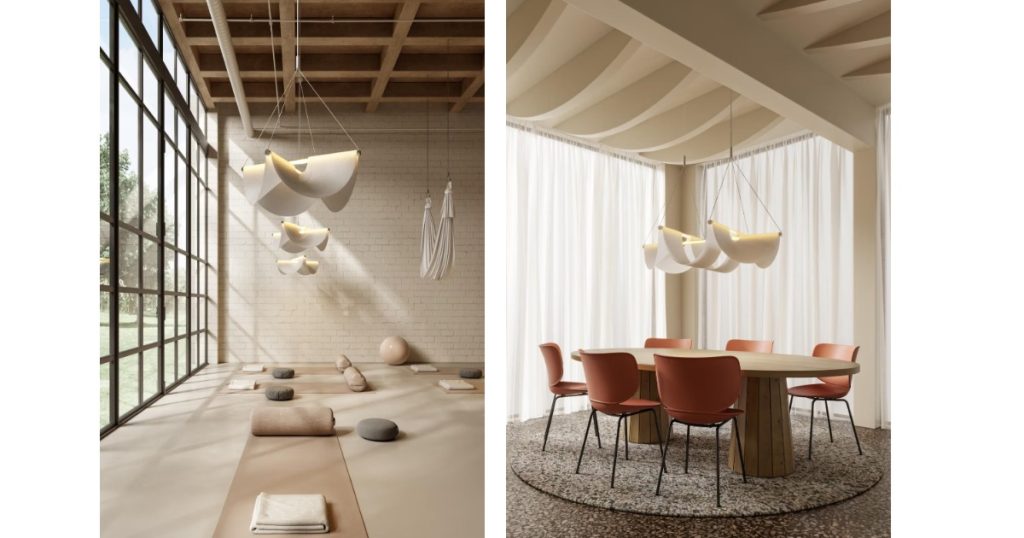
Fluid, dimensional, and unapologetically bold, it uses light almost like fabric: folded, shaped, and suspended to create a focal point that feels alive.
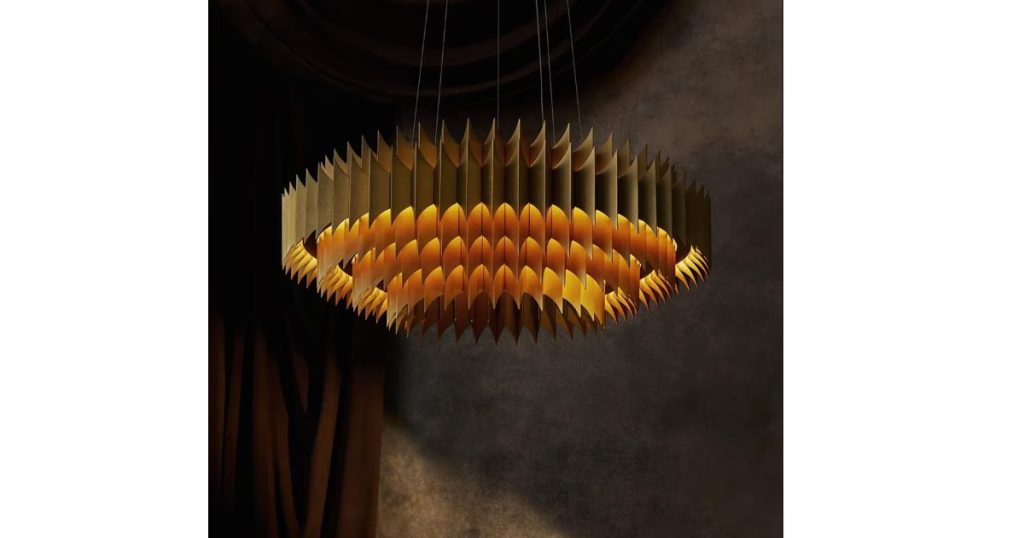
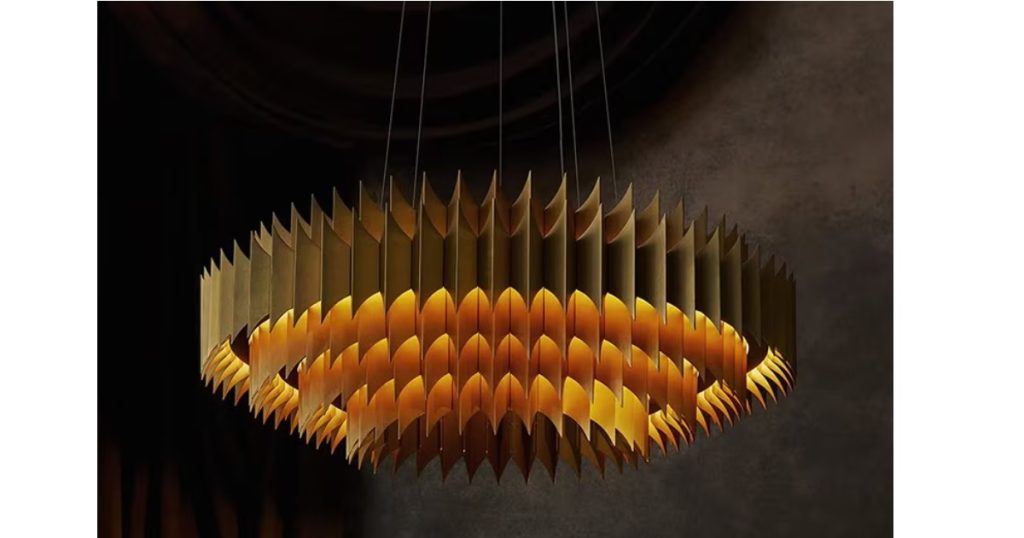
The King Chandelier by Lee Broom is a majestic piece that doesn’t have to explain itself. It is made up of individual brushed metal leaves that have been folded, tapered, and brushed by hand to create tiered rings. Each ring cleverly conceals its light source, only showing the golden glow through the metal leaves, and playing with shadow and light.
Inspired by the King of Salem character in Paolo Coelho’s novel, The Alchemist, as well as the legend of King Arthur, this crown-like lighting design fuses medieval characteristics with brutalism. The King Chandelier is striking when dimmed and resplendent when illuminated. A sculpture in its own right, this is lighting that doesn’t simply fade into the background. It commands the room. See it in its full glory at LightForm’s Vancouver showroom.
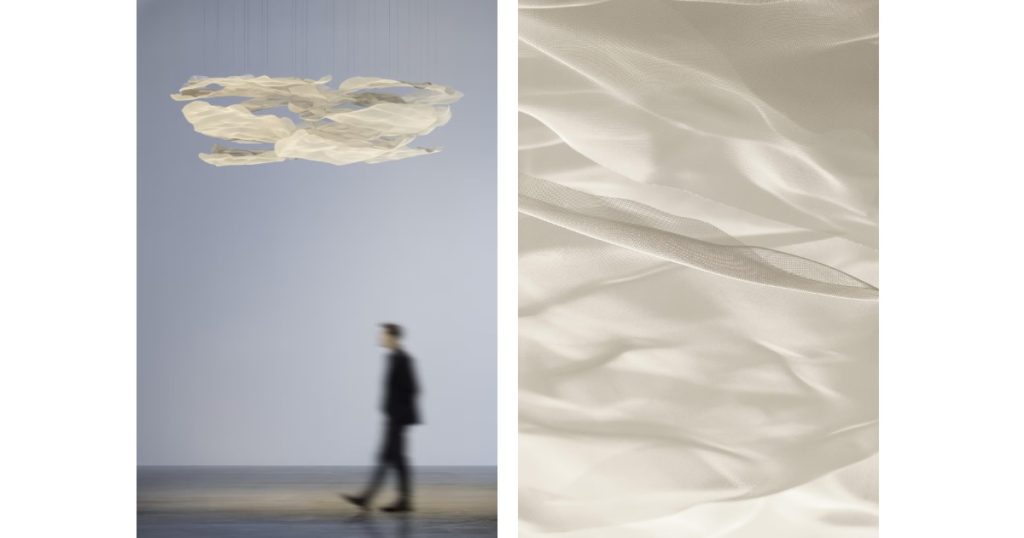
The Brétema series from a-emotional light is another statement piece that anchors a space both visually and emotionally. Inspired by clouds drifting over the Atlantic, this configurable system of painted stainless steel layers glowing volumes into a luminous composition. Its soft, atmospheric forms and sense of visual weightlessness give Brétema its quiet drama. The series encourages you to create an experience of light that feels as emotive as it is architectural. And yes, a version of the Brétema can be experienced in LightForm’s showrooms.
2.) Unexpected Materiality: Leather Takes the Lead
A tactile rethink of utilitarian form.
Traditional electrical cords and aircraft cables are quietly stepping aside. In their place: unique materials like hard-wearing fabric, and most notably, leather.
Leather straps introduce warmth, softness, and a subtle sense of craft to suspension lights. They feel less technical, more human. They patina; they show their age. They confidently declare their presence as proof of extra care and consideration. And when paired with refined metal finishes, the contrast is striking.
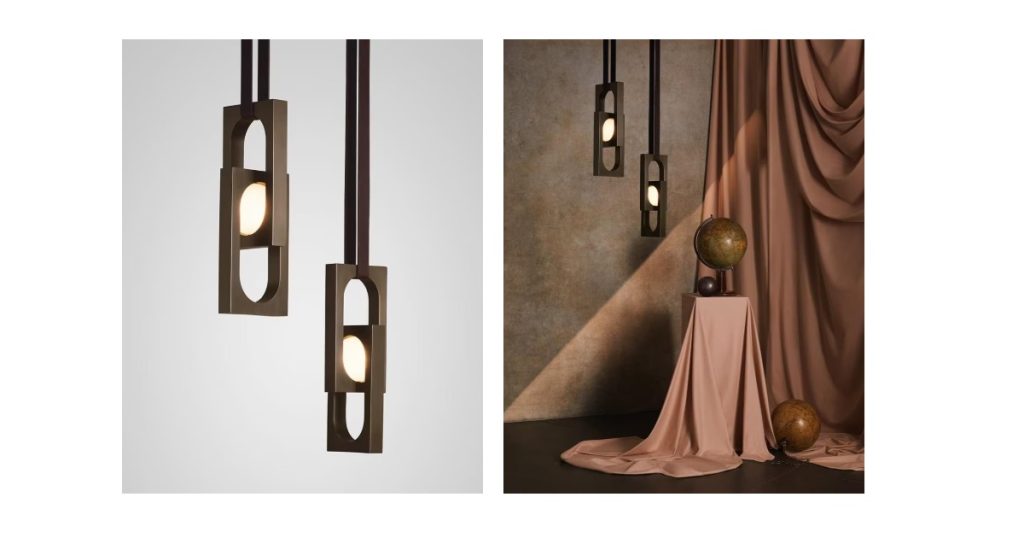
Lee Broom’s Mythos Duo Pendant captures this direction beautifully. The leather suspension becomes part of the design language rather than an afterthought, elevating the fixture from simple pendant to statement piece. (And while the Mythos collection isn’t in LightForm’s showrooms just yet, trust them, it’s worth seeing!)
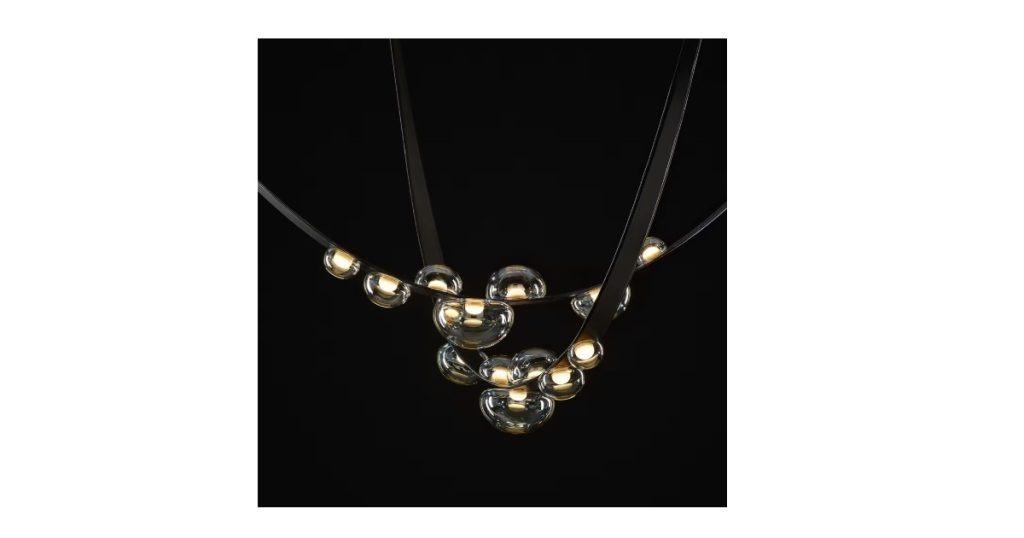
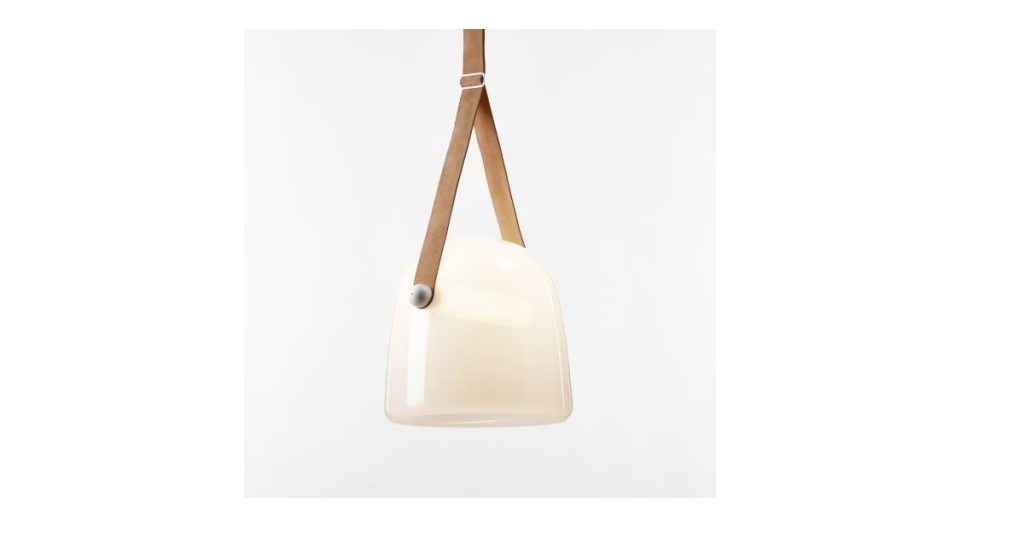
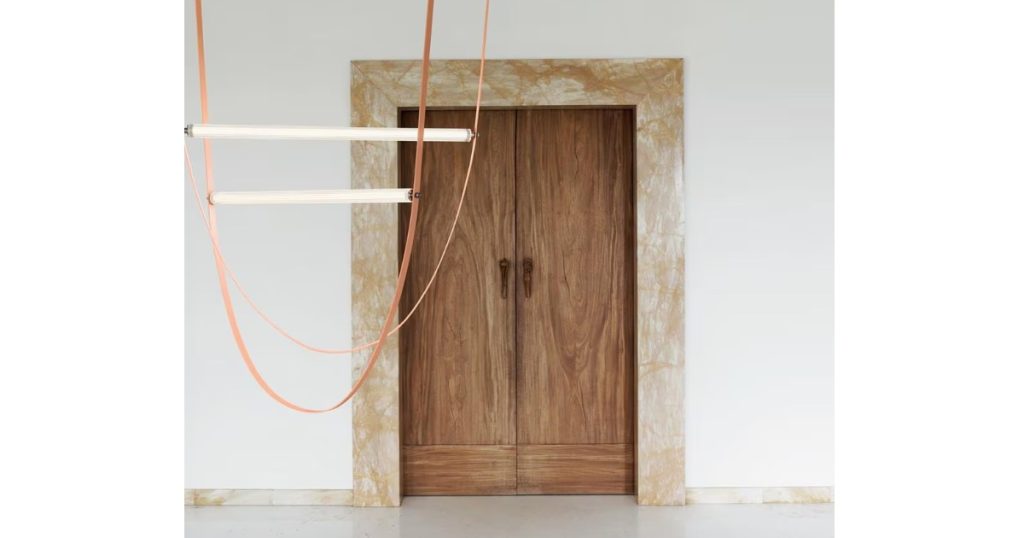
LightForm is also seeing this material language appear across other designs like Dew Drops by Bomma, Mona by Brokis, and Wireline by Flos, reinforcing that this isn’t a one-off moment, it’s a material shift.
3.) Light That Disappears
Paintable fixtures and quiet architectural glow.
Not all lighting wants attention. One of the most compelling directions for 2026 is fixtures that visually dissolve into their surroundings, and leaving only light behind.
Paintable plaster and architectural fixtures allow designers and homeowners to finish lights directly on site, blending them seamlessly into walls and ceilings. The result is a soft, integrated glow that feels like it’s coming from the architecture itself.
Astro’s paintable plaster wall lights are a standout here:
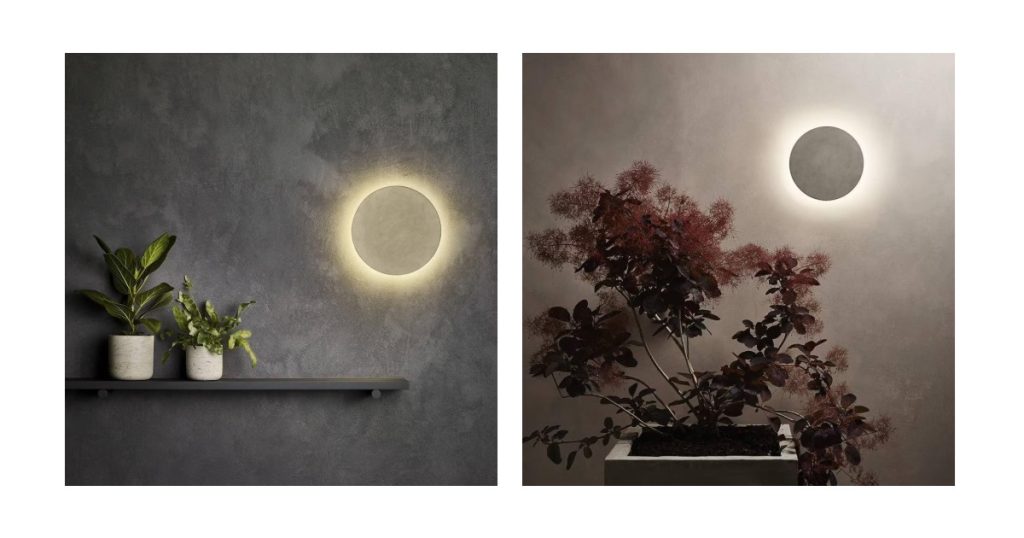
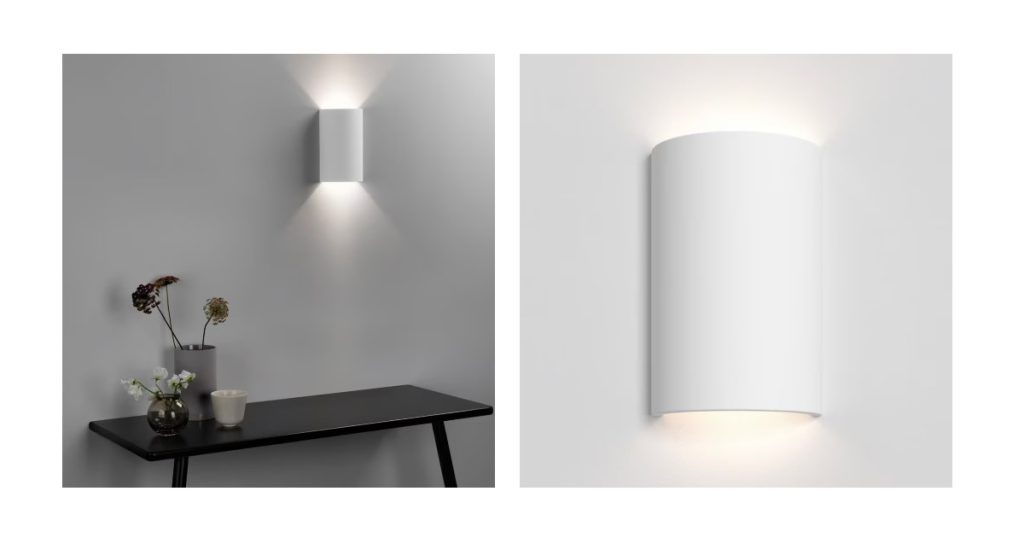
Designed to be painted to match their environment, they create an illusion of light emerging from the wall rather than a visible fixture. Clean. Minimal. Powerful in its restraint. This approach is especially effective in spaces where material continuity and calm are key. They’re perfect for hallways, stairwells, hospitality projects, and modern residential interiors.
Discover more paintable wall lights.
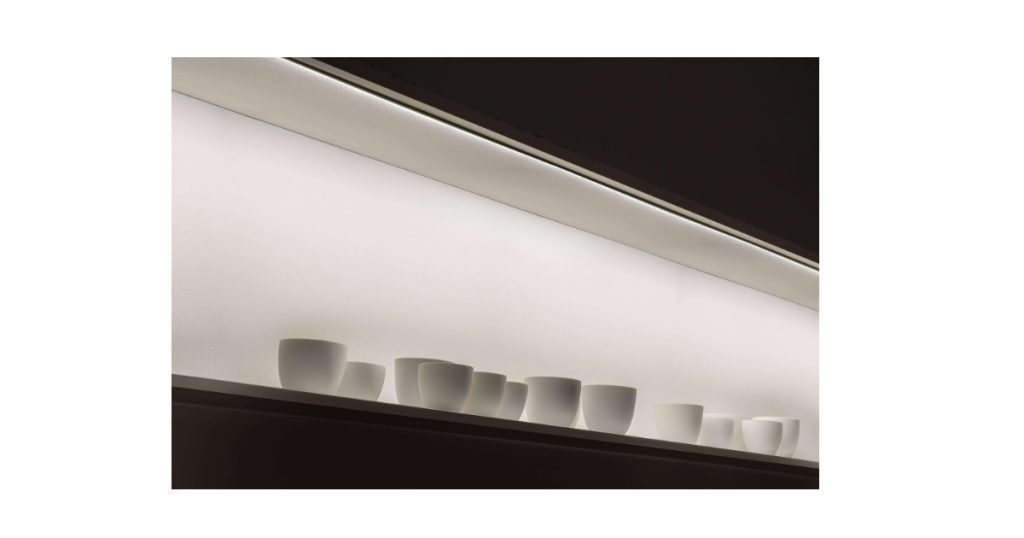 Cometa NGL by DGA Lighting
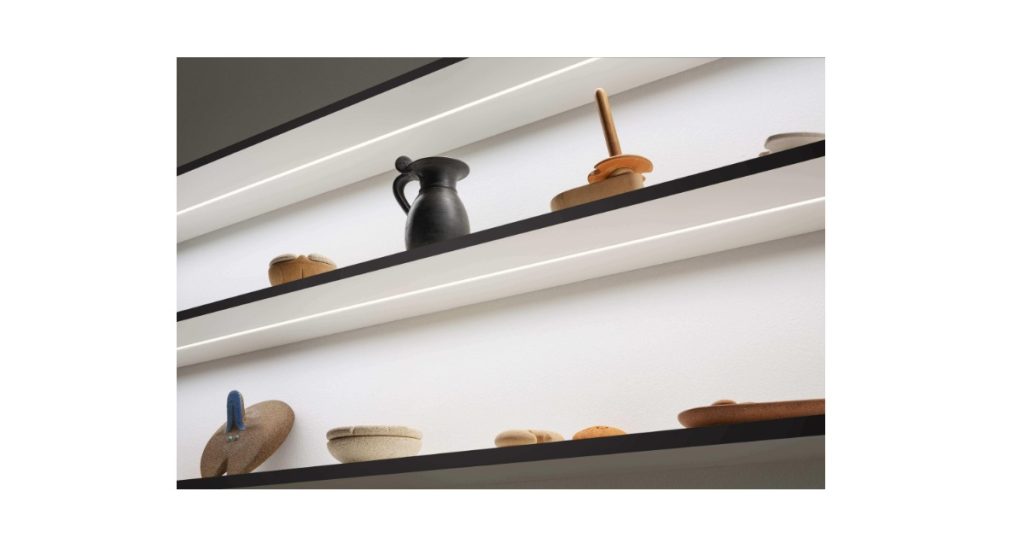 Cometa Q8 by DGA Lighting
The Cometa series from DGA Lighting is another excellent example of architectural lighting that disappears. It is deliberately designed to leave only illumination and feeling behind. With ultra-thin profiles (just 8 to 10 mm), Cometa integrates seamlessly into shelves, cabinetry, and display environments, directing attention precisely where you want it. Whether angled for discreet under-shelf installation or delivering a perfectly continuous line of light with no visible LED points, Cometa offers powerful, homogenous illumination without visual noise. Minimal in presence yet high in performance, it’s a quiet technical solution that elevates objects, materials, and space through light alone.
Discover more high-performance architectural lighting from DGA.
4.) Articulation with Purpose
Lighting that moves with the space.
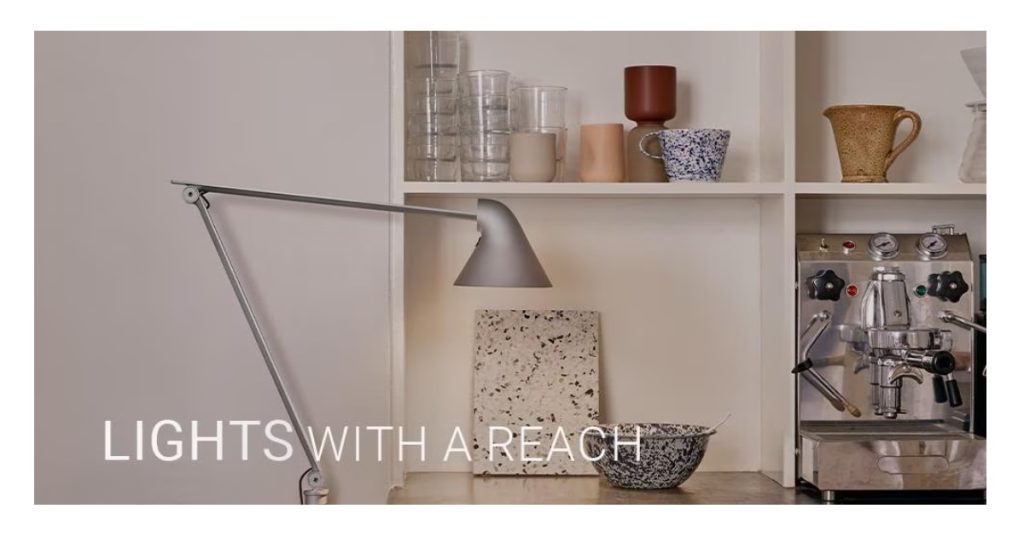
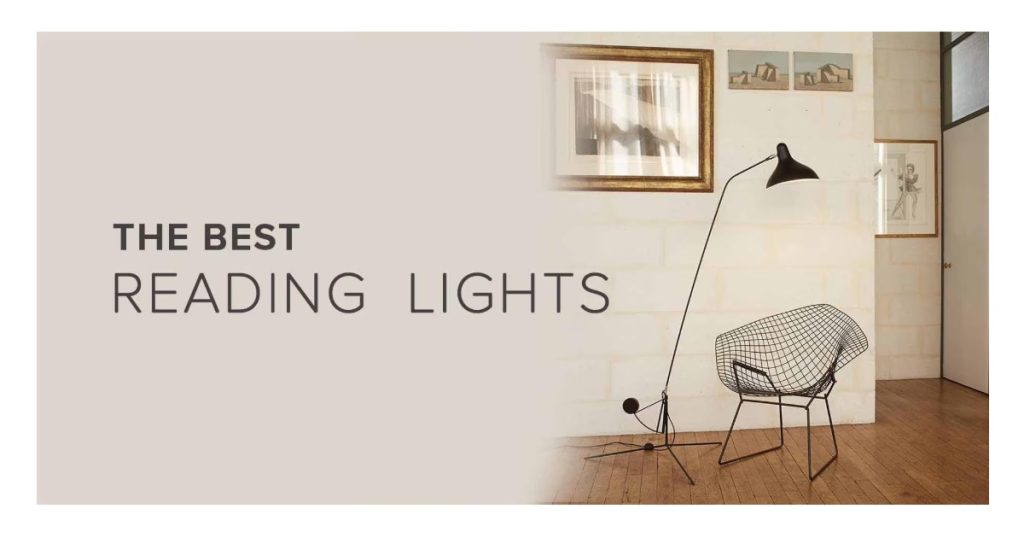
As interiors become more flexible, lighting needs to keep up. Articulating lights offer the perfect solution for optimal function and versatility. Fixtures with adjustable arms that pivot or feature rotating heads are lighting designs that have been around for awhile, but they have lasting power precisely for their ability to adapt to how a space is actually used. Think home offices that double as guest rooms, living spaces that shift from day to night, or commercial environments that evolve throughout the day and adapt to multiple functions.
Articulating lights aren’t just practical; they’re expressive. They offer movement and modularity that becomes part of the visual language.
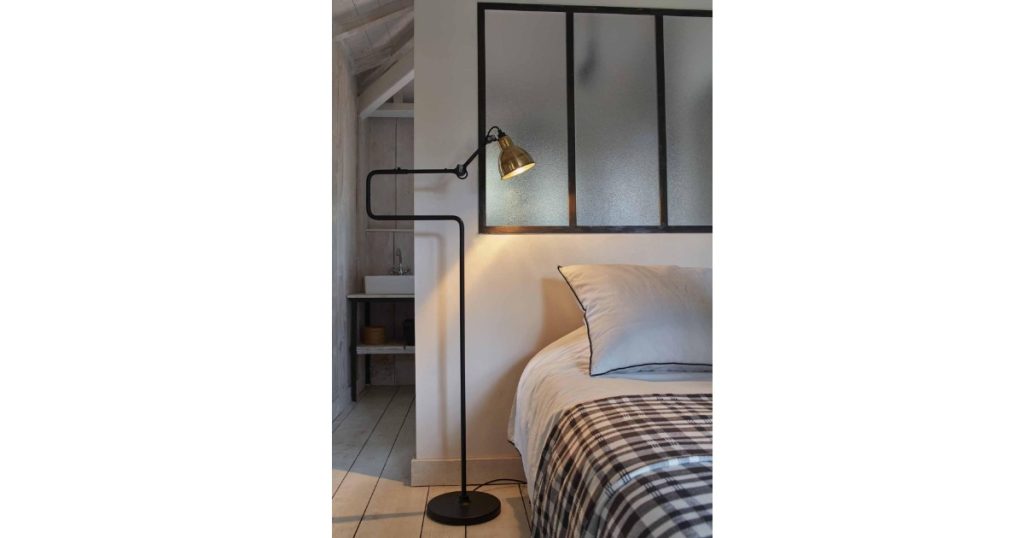
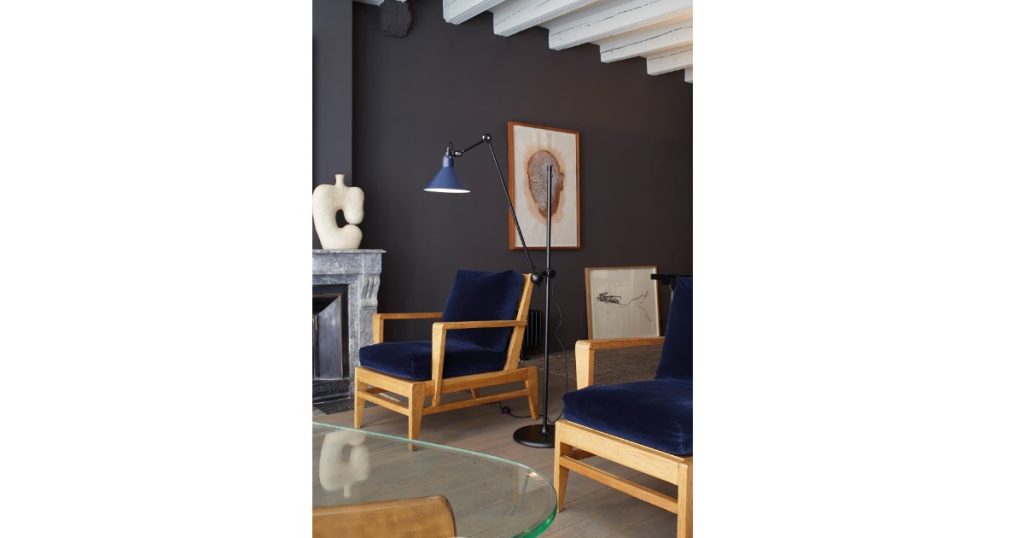
Designed by engineer Bernard-Albin Gras in 1921, La Lampe Gras remains an enduring icon of modern design. Its articulating arms and adjustable shades put functionality front and centre, offering light exactly where it’s needed. Revered by designers and champions like Le Corbusier, it’s celebrated not for ornament, but for its elegant simplicity. La Lampe Gras’s functionalist approach proves that true design beauty lies in purpose, and that a well-thought-out solution can remain timeless.
Explore the full Lampe Gras collection.
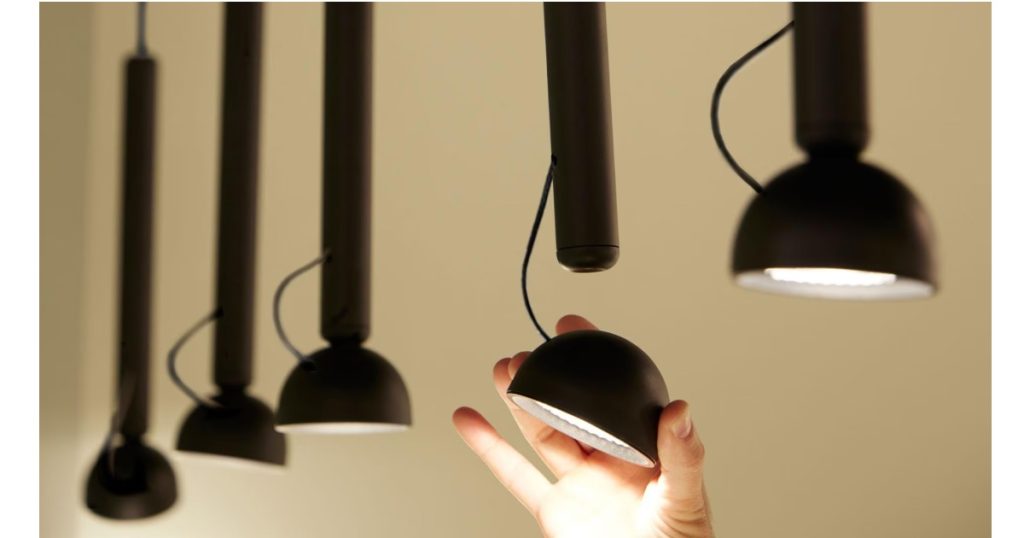 A close-up of the Berry, and the detail that makes it an innovative twist on the articulating lamp.
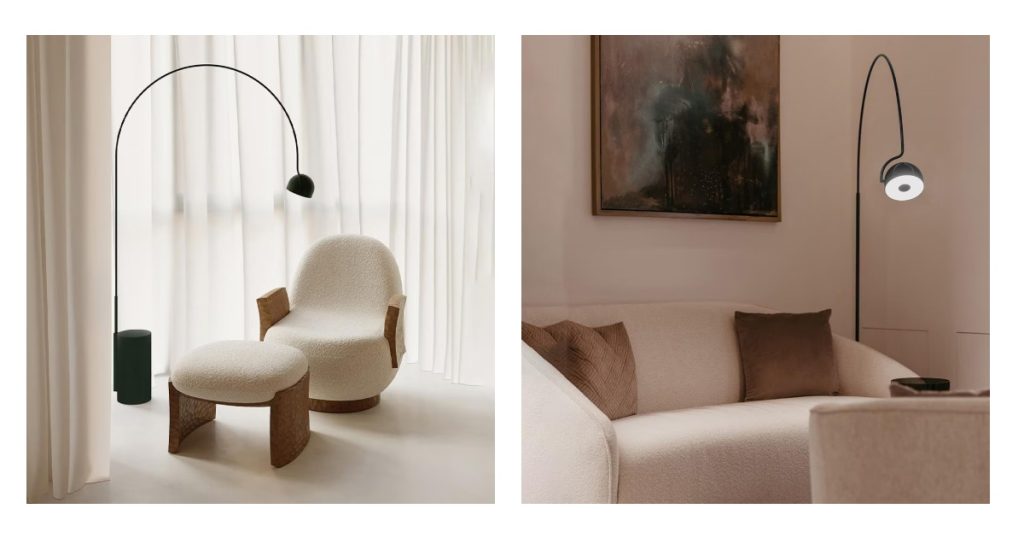
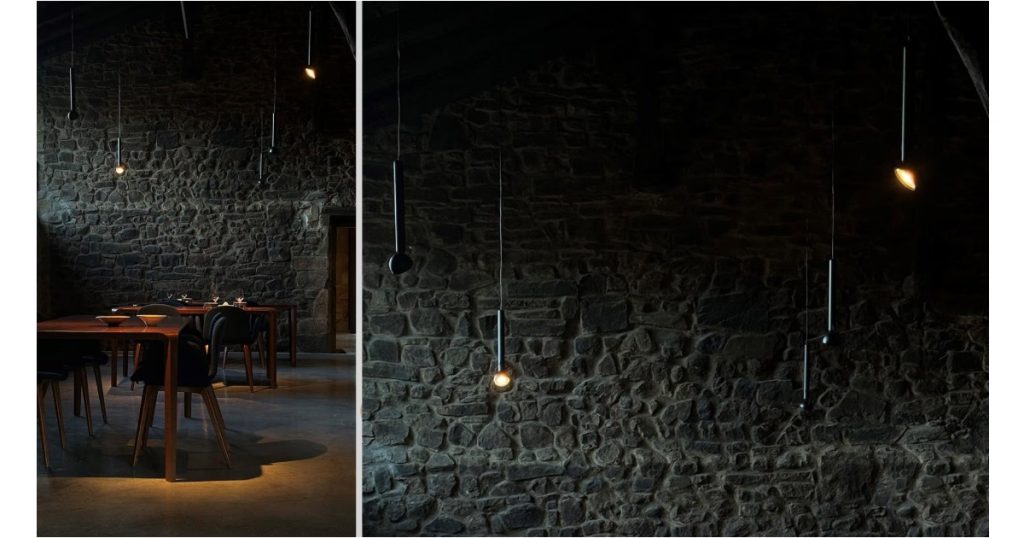
Designs like the Bowee and the Berry by B.Lux show how articulation can feel sculptural, and not always utilitarian. Both are playful and offer a re-imagining of the adjustable, articulating design.
The ability to redirect light exactly where it’s needed, without sacrificing aesthetics, makes these fixtures ideal for dynamic, multi-use spaces.
And yes, you know LightForm has multiple edits of articulating lights:
Looking Ahead
Lighting in 2026 is confident, tactile, and intentional. It either steps forward as a sculptural element, or quietly recedes into architecture. Sometimes it does both.
At LightForm, they are paying close attention to where design is headed, and they are curating lighting that doesn’t just follow direction, but rather helps define it.
Explore what’s next with LightForm, and light accordingly.
For more information on LightForm lighting solutions HERE