Dynamic Lighting Enhances Health and Wellbeing
February 5, 2018
At the end of 2017, the Nobel Prize for medicine went to three American researchers: Jeffrey C. Hall, Michael Rosbash and Michael W. Young. By isolating and investigating the “period” gene of the fruit fly, they were able to prove the existence of the “inner clock,” which controls the circadian rhythm of humans, animals and plants. The lighting industry, architects and planners, are interested in this, too, and are developing lighting solutions and concepts for a wide range of applications, based on these scientific findings.
Circadian rhythms — the foundation of human-centric lighting
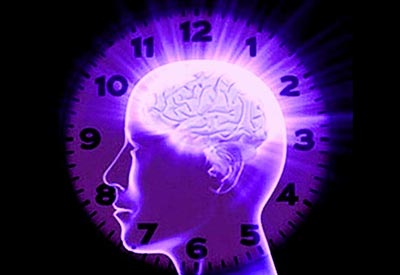
The biological rhythm of the human being is crucially influenced by the progress of sunlight. And it is, first and foremost, the proportion of blue light that is responsible for blocking or stimulating the production of the sleep hormone, melatonin. The relatively blue sunlight in the morning blocks the melatonin hormone and stimulates the activity of the stress hormone cortisol. This leads to increased wakefulness, an enhanced ability to concentrate, and a feeling of general fitness. In the course of the day, the colour of the light changes into a significantly warmer tone, thus creating a reversal of this effect, so that people become calmer in the evening and are prepared for the imminent sleep phase.
Biologically effective lighting
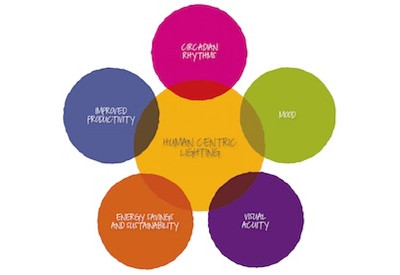
Lighting solutions that embody the notion of HCL (human centric lighting) try to support the biological process of hormone control by simulating the missing sunshine that actively promotes this natural rhythm. The fact that most people only rarely get to feel the sun on their faces can lead to problems such as sleeplessness, fatigue and even depression. A lamp designed along biological lines follows the same phases as the sun, as far as the colour of the light is concerned, and thus creates healthier lighting. At the same time, however, aspects such as intensity and direction of the illumination must be taken into account, in order to maximize the effects of the installed system appropriately. Sunlight varies in intensity from 3,000 lux (on a dull winter’s day) to 100,000 lux (in direct sun). The direction of the lighting, too, needs to be taken into consideration. For instance, the diffuse light from the sky covers a major part of the human visual field. Broad-surface lighting in the upper part of the room is therefore desirable, as this is what most efficiently reaches the bottom half of the retina, where most of the light-sensitive cells are to be found. All three factors (colour temperature, intensity and direction) must be taken into consideration in any good quality and serious HCL lighting plan, if the effect of sunlight is to be replicated as closely as possible.
Multiple areas of application
Applications for biodynamic lighting are many and varied, ranging from private dwellings to offices, nursing facilities and care institutions. There is a particular focus on lighting solutions for offices and the healthcare system, as it is here that the positive effects have the greatest impact. Equally exciting and relevant for these areas are cost-benefit analyses. The introduction of an HCL based solution in the office, for instance, holds the promise of better work outcomes, positively motivated staff and, at the end of the day, a reduction in down time due to illness, too. This all adds up to definite cost savings. In the health service, the effect of correct lighting can, in certain circumstances, result in staff savings and, with increased sense of well-being and consequent shortened healing periods for patients and those in care, also enhance the image of the establishment as a whole. In other areas, too, such as retail experiences for instance, positive results can be obtained with the correct lighting effects. Appropriate lighting solutions awaken curiosity, make shop interiors more inviting, increase length of stay and foster enthusiasm.
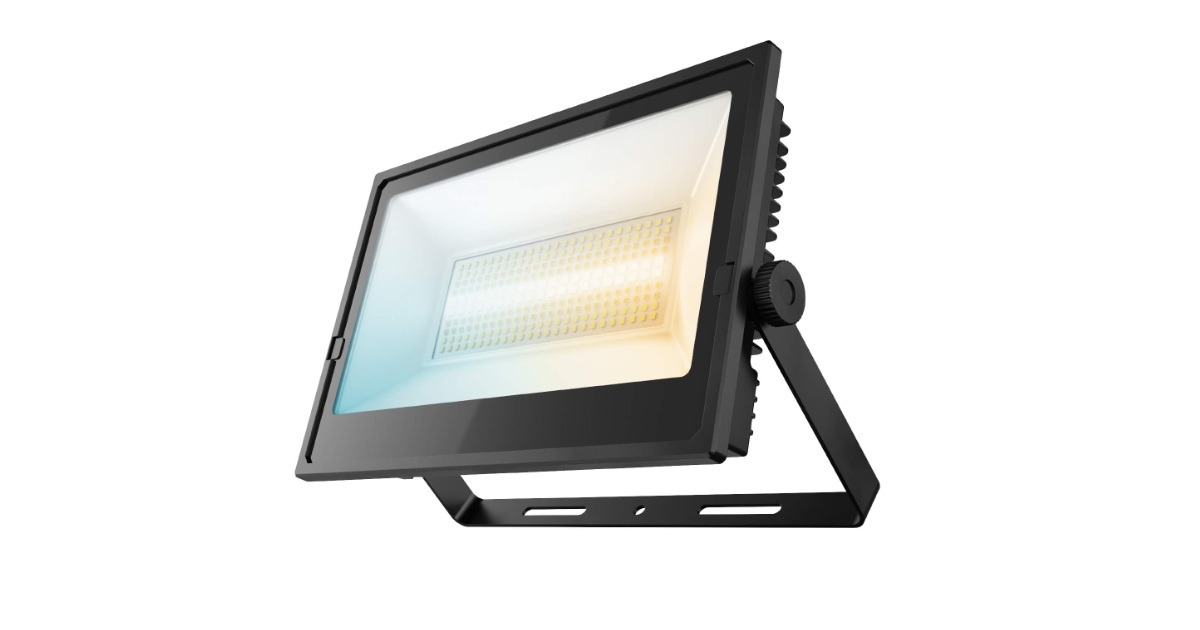
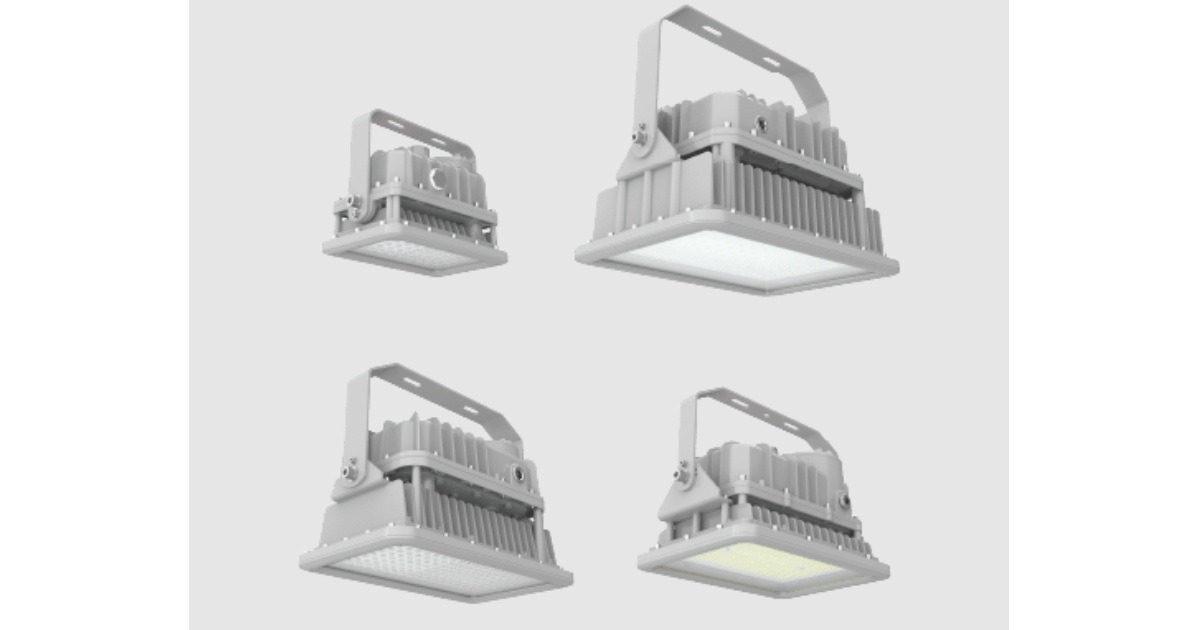
As well as in these areas, it also makes sense in industry, where appropriate artificial lighting can — particularly with shift work — be significantly different from actual daylight and the rhythms of sunlight. In that case, it is about keeping workers on night shift as awake and maintaining the same degree of attention and concentration as if they were at work in the morning. The avoidance of mistakes and health and safety considerations in the workplace are just two of the major issues that are of particular importance in day-to-day industrial life. Yet if we look at the requirements for a comprehensive and effective HCL lighting system, it quickly becomes apparent that all the lamps on the market can only be used efficiently if put together in sensible combinations. Large-surface diffused lighting, in combination with indirectly and directly projected light from floods and spots, can be used in all the areas mentioned above and lead to an effective result. The use of individual table and standard lamps also plays a major role here, as does the introduction of complex lighting control systems.
Conferences and tradeshows showcase huge variety of solutions
Technical implementations of an HCL system can basically be divided into two categories: on the one hand, there are individual solutions, whereby individual lighting elements react on their own or, indeed, as part of an interlinked control network, which regulates the individual luminaires and ensures that they interact sensibly. These include the so-called ‘swarm technologies’. Here, several light sources communicate with one another and thus ensure a well-balanced lighting scenario. All versions have their own key functions and must be selected for individual requirements in each case.
The industry will be showcasing the range of products and the growing choice available to the public at two upcoming events:
- Light + Building, March 18-23 2018 in Frankfurt am Main, light-building.com/human-centric-lighting
- LightFair International, lightfair.com
Visitors will be able to collect information about the latest lighting trends as well as intelligent lighting control systems.