Spotlights vs. Floodlights: Lighting & Application Explained
September 12, 2025
LEDVANCE Provides a Simple Guide About Spotlights vs Floodlights to Help You Understand the Differences
Lighting selection is never as simple as choosing bright or cheap ones. Among the most commonly used outdoor and task lighting options are spotlights and floodlights. Choosing the wrong type can leave you with either a blinding glare or a dim disappointment.
Spotlight is known for its precise focus, while floodlight stands out for its wide coverage. However, they are often confused by enterprises when making purchases.
This article will explore and provide a complete guide about spotlights vs floodlights to help you understand the differences between them, which can significantly impact your business’s operations, energy consumption, and even security posture.
Spotlights & Floodlights: Brief Overview
To begin with, it is necessary to have a brief understanding of what spotlight and floodlight are. Though often confused, these lighting types serve distinct purposes.
What Is a Spotlight?
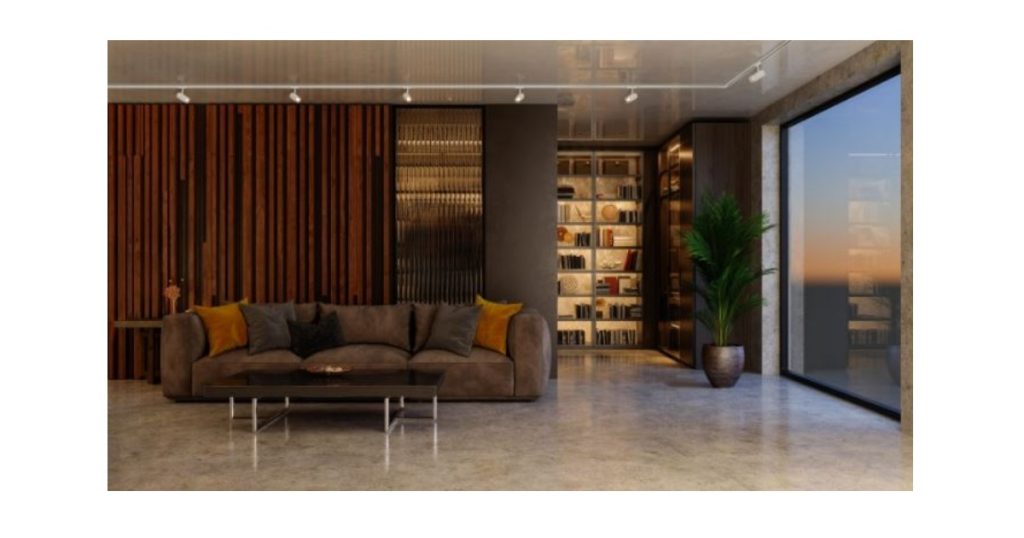
A spotlight is designed to emit a focused, high-intensity beam of light onto a specific area or object. The essence of its design is to achieve a high concentration of light through optical focusing technology. Spotlights typically have a narrow beam angle, usually under 45°, which allows them to illuminate precise zones without spilling into adjacent areas. This is ideal for applications requiring directional lighting and track lighting.
What Is a Floodlight?
A floodlight emits a wide beam of light that covers large areas. Its primary role in commercial settings is to provide general illumination for safety, operations, and surveillance.
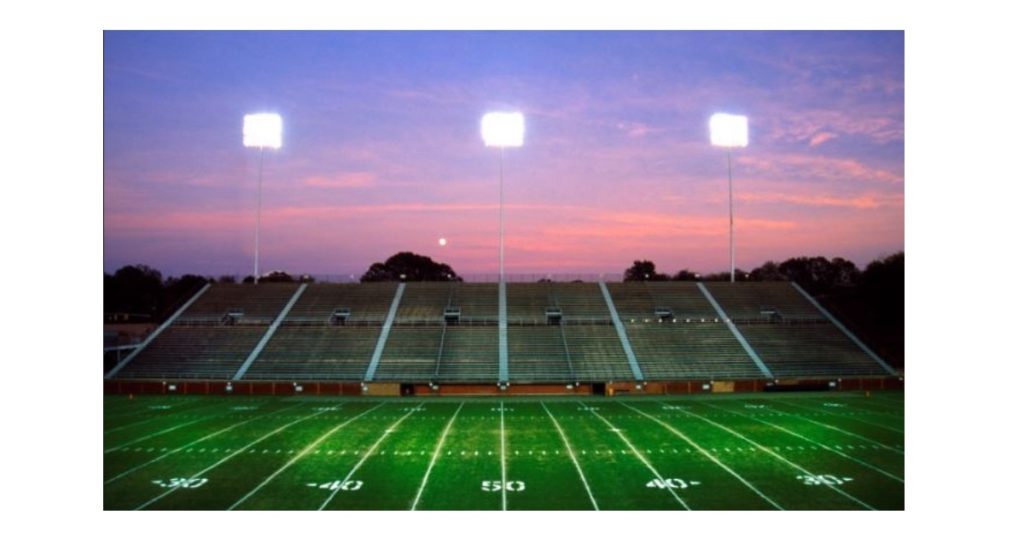
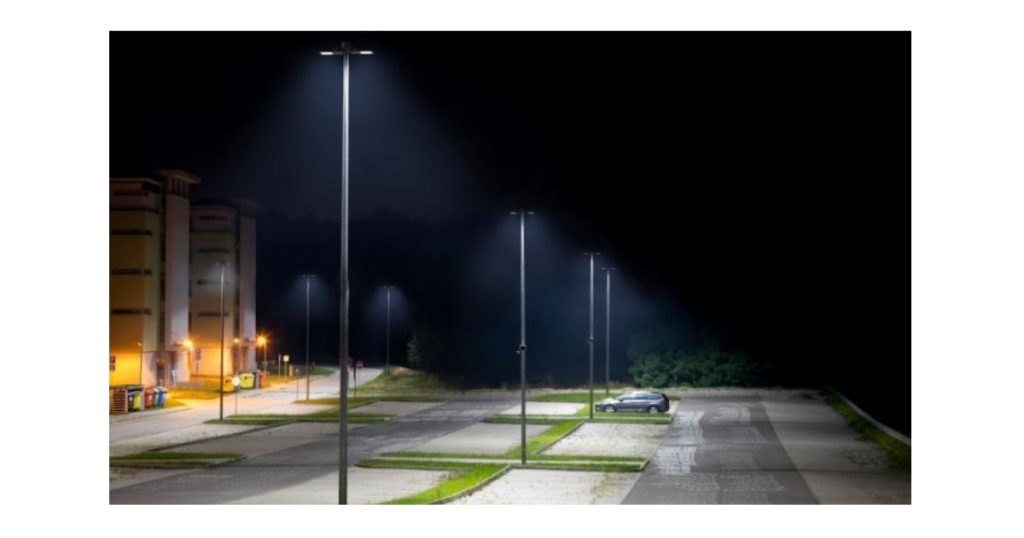
Floodlights offer a beam angle of 60° or more, making them suitable for outdoor yards, parking lots, warehouses, and loading docks. Its prominent feature lies in breaking the boundaries of lighting through wide-angle light diffusion technology to achieve seamless coverage of open spaces.
Spotlights vs. Floodlights: What’s the Difference
In industrial lighting, commercial scenarios and outdoor engineering, spotlights and floodlights are two types of lighting equipment that undertake different core functions. In fact, the key difference between the two stems from the fundamental disparity in light control logic.
Here is a comparison table to make you have a clear and distinct understanding of what’s the difference between spotlights and floodlights.
| Aspects | Spotlight | Floodlight |
| Beam Angle | Narrow and concentrated | Broad and expansive |
| Light Intensity | Produce a more intense beam due to their focused output | Distribute brightness across a wider surface area |
| Area Coverage | Best for isolating critical points | Designed for blanket coverage |
| Installation and Mounting Options | Commonly mounted with adjustable brackets for directional targeting | Typically fixed in elevated positions for wide-area illumination |
| Installation Height | 3 to 8 meters, low spaces are preferred | 6 to 15 meters, a must-have for high-ceiling spaces |
If you choose the wrong spotlight, you might not cover enough area. For example, using a narrow-beam spotlight to light up a large space means you’ll need to use more lights, which raises costs. On the other hand, picking the wrong floodlight can waste energy. For instance, using a wide-beam floodlight on a small area means extra light spills out where it’s not needed, using more power.
There’s no better or worse option between spotlights and floodlights. It all depends on what the situation needs. The key to making the right choice is understanding your actual lighting needs.
Applications for Spotlights & Floodlights
Scene adaptation logic is the key to distinguishing the two. Spotlights are a lighting solution for local needs and are suitable for situations where specific targets need to be highlighted, no matter indoors or outdoors.
Floodlights are designed to meet general lighting needs and are best for places that need wide-area lighting. Its main advantage is being able to light up large spaces using the fewest number of lights.
Specific Application for Spotlight
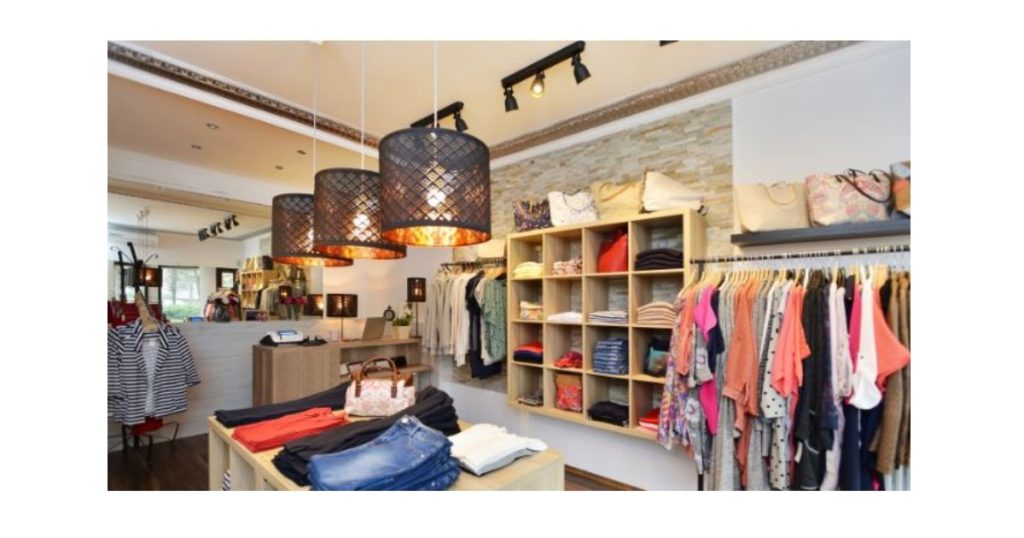
Spotlights are ideal for illuminating high-value machinery, safety signage, or display products that require focused attention. Also, In conference centers or exhibition halls, spotlights help draw attention to speakers, stages, or featured booths. In terms of targeted security zones, deploying spotlights at access gates, entrances, or blind spots enhances targeted surveillance and deterrence.
Common Commercial Applications of Spotlights:
- Product and display illumination in retail environments
- Precision task lighting in manufacturing settings
- Accent lighting in hospitality or commercial real estate
- Security lighting targeting key access points
Specific Application for Floodlight
Floodlight is the top choice for wide illumination. Warehouses, outdoor storage areas, and expansive factory yards benefit from floodlights to ensure full visibility and safe navigation. Besides, use floodlights to ensure proper illumination in ports, terminals, gardens, and public service facilities, where consistent lighting supports 24/7 operations.
Common Commercial Uses of Floodlights:
- Exterior perimeter lighting
- Sports complexes and stadiums
- Large-scale facility yards and logistics zones
- Surveillance support in security systems
When putting a project into action, it is crucial to think about several factors like surrounding light, installation height, and angle. For example, during nighttime construction, if there are nearby buildings blocking the view, you may need to slightly adjust the angle of the spotlight to avoid unwanted light spilling out.
For floodlights, it is important to plan their placement based on the shape of the area, making sure there are no dark spots and that the lighting setup meets the needs of space.
Adding smart control systems has also improved how both types of lights can be used. With features like dimming, color adjustment, and sensor controls, spotlights can automatically change their focus and brightness, and floodlights can adjust their coverage area. This helps the lighting system adapt better to different and changing situations.
LED floodlights and spotlights often have lifespans exceeding 25,000 hours. Their low maintenance and energy use contribute to a faster return on investment, especially in large-scale operations.
How to Choose the Right Light for Your Needs
The first step is defining the lighting objective. If you need task-specific lighting, choosing spotlights is more appropriate. For general area lighting, opt for floodlights.
Then, calculating required lumens and beam angle. Match beam angle and light output with space dimensions and mounting height.
It is also important that you consider environmental conditions. Using weather-resistant fixtures for outdoor or high-humidity zones. Also consider light pollution regulations in urban or regulated areas.
For optimal lighting strategy, many businesses deploy both. Floodlights can serve as the primary source, while spotlights provide focused lighting for key operations or security points. Integration with motion sensors and timers further enhances operational efficiency.
Premium Spotlight & Floodlight All in LEDVANCE
When it comes to lighting solutions, LEDVANCE is a smart option especially in spotlight and floodlight product development. Here are some recommendations.
1. Performance Class Dual Selectable Flood Light
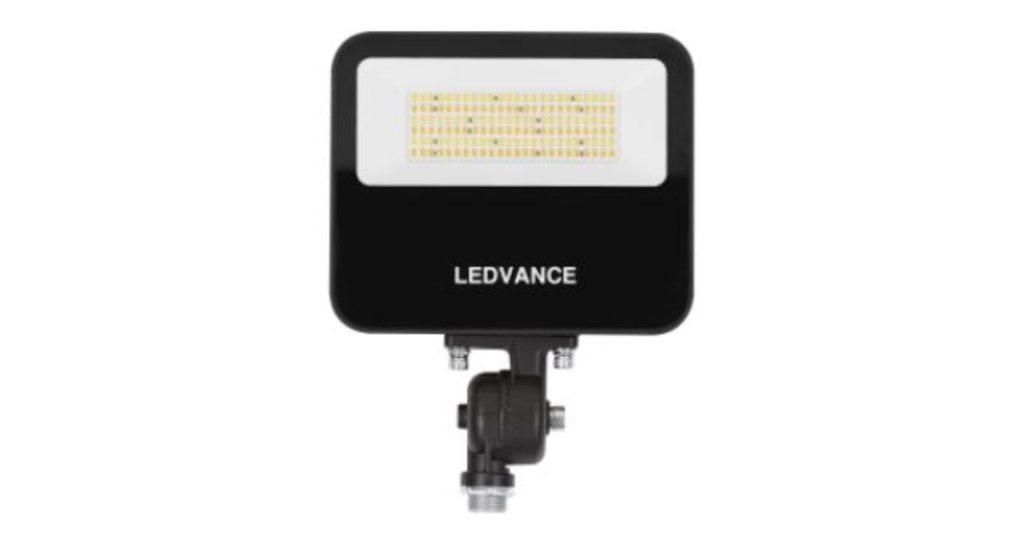
The LEDVANCE FLOODLIGHT is a versatile lighting solution designed for a wide range of outdoor applications, including buildings, facades, signage, gardens, and more. It features dual selectability for both wattage and color temperature (3000K, 4000K, 5000K), allowing for greater flexibility across projects. With high energy efficiency of up to 150 lumens per watt and a CRI greater than 80, it delivers strong performance while maintaining color accuracy.
For more choices, there are other floodlight products family and a new OPTI-SELECT version from LEDVANCE.
2. Performance Class Selectable Spotlight
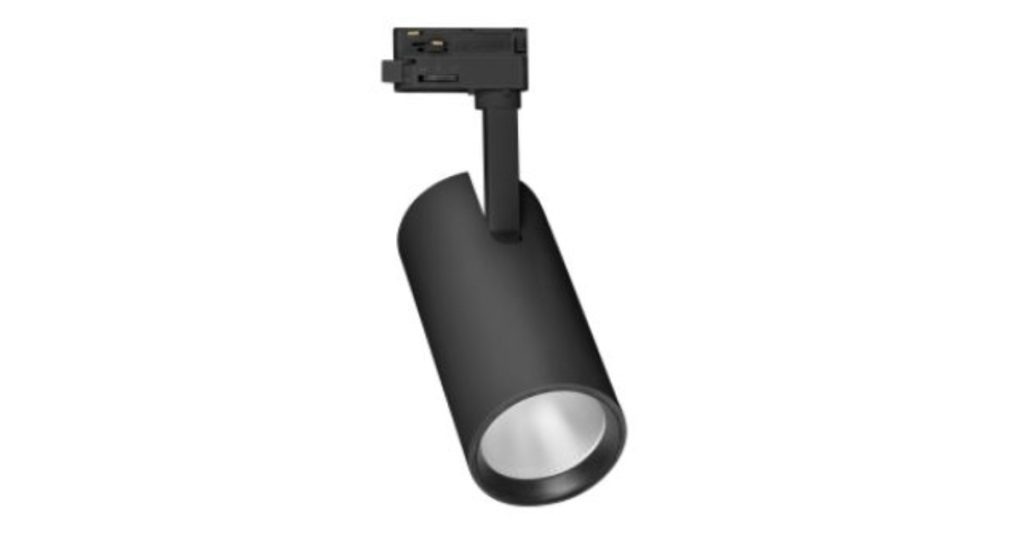
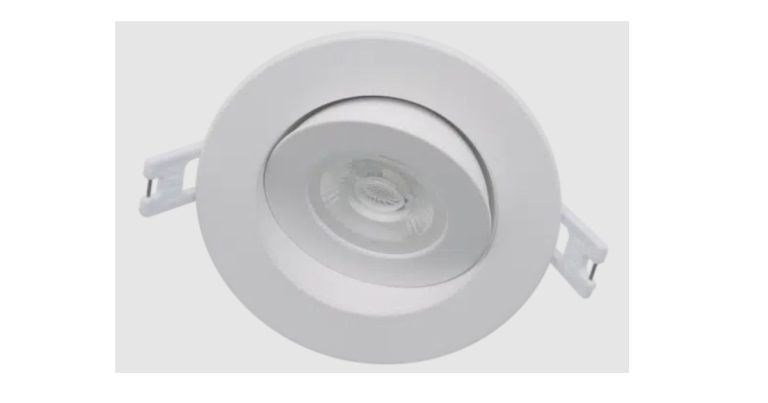
This spotlight is a 4-CCT selectable fixture designed to deliver premium illumination for commercial and industrial spaces. It is available in a range of fixed beam angles and wattage options, with the added benefit of optional zoom technology. This feature allows users to easily adjust the beam angle by twisting the luminaire head, providing greater flexibility for different lighting needs. The product line covers a wide range of applications and offers optional accessories in both black and white finishes to match various design styles
Whether the goal is to enhance precision in task lighting or ensure safety, LEDVANCE’s reliable lighting items bridge the gap between technical performance and practical value. Contact LEDVANCE to discuss personalized lighting solutions and which one is your need.
FAQs
1. What Is the Optimal Mounting Height for Commercial Floodlights?
Mounting heights typically range from 10 to 30 feet, depending on beam angle and area coverage requirements. Other factors, such as fixture lumen output, ambient light levels, and specific application needs, may further influence optimal mounting height.
2. Can Spotlights and Floodlights Be Integrated with Motion Sensors?
Absolutely. Both can be equipped with motion sensors to improve energy efficiency and security. Many motion-sensing spotlights and floodlights connect to smart home ecosystems, allowing them to sync with other devices.
3. Do Floodlights Cause Light Pollution in Urban Areas?
Improperly aimed floodlights can contribute to light pollution. Use shields and appropriate beam angles to minimize impact. Floodlights are a common culprit in urban settings because of their broad, intense beams. In many cities, local regulations now address this issue by mandating lighting standards for floodlights.