BC Legislative Chambers 2021 Lighting Control Innovation Award Winning Project Story

September 7, 2022
The Lighting Control Innovation Award was created in 2011 as part of the Illuminating Engineering Society’s Illumination Awards program, which recognizes professionalism, ingenuity and originality in lighting design. LCA is proud to sponsor the Lighting Control Innovation Award, which recognizes projects that exemplify the effective use of lighting controls in nonresidential applications.
In this article we explore a major refresh of lighting and controls at the province of British Columbia’s legislative chambers in Vancouver, British Columbia. Lighting control design by AES Engineering Ltd. Photography by Andrew Latreille.
The Legislative Chambers’ 1970s lighting system consisted of halogen and fluorescent fixtures. The system upgrade was constrained by the need for strict adherence to the energy code and the goals of decreasing utility costs, improving flexibility, and maintaining the heritage architecture.
The primary functions of the space are television broadcast events, which require high levels of illuminance, and public viewings, which need lower light levels and greater flexibility. Flexibility of the lighting level and zone controls was essential to meet both use cases, allow for easy and quick programming for broadcasts or public viewings, and minimize energy consumption to meet ASHRAE 90.1 2016.
The upgraded system reduced the risk of fixtures not working during live broadcasts and eliminated the need to stockpile halogen fixtures that were increasingly difficult to procure. Time spent maintaining fixtures was dramatically decreased and wiring and controls were brought up to modern standards.
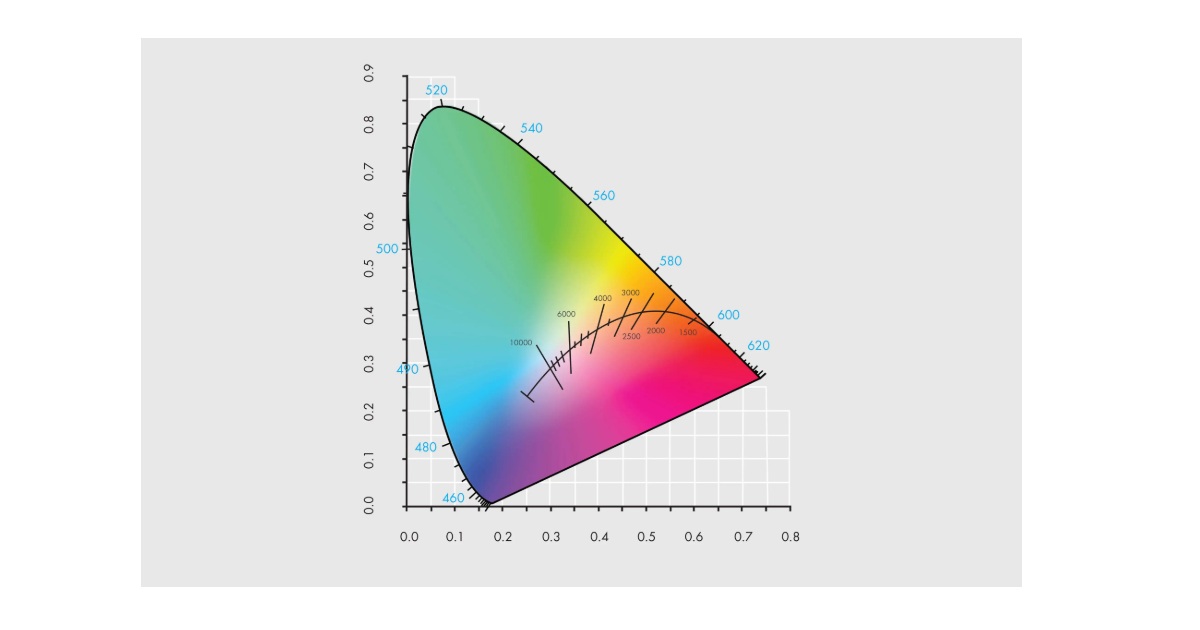
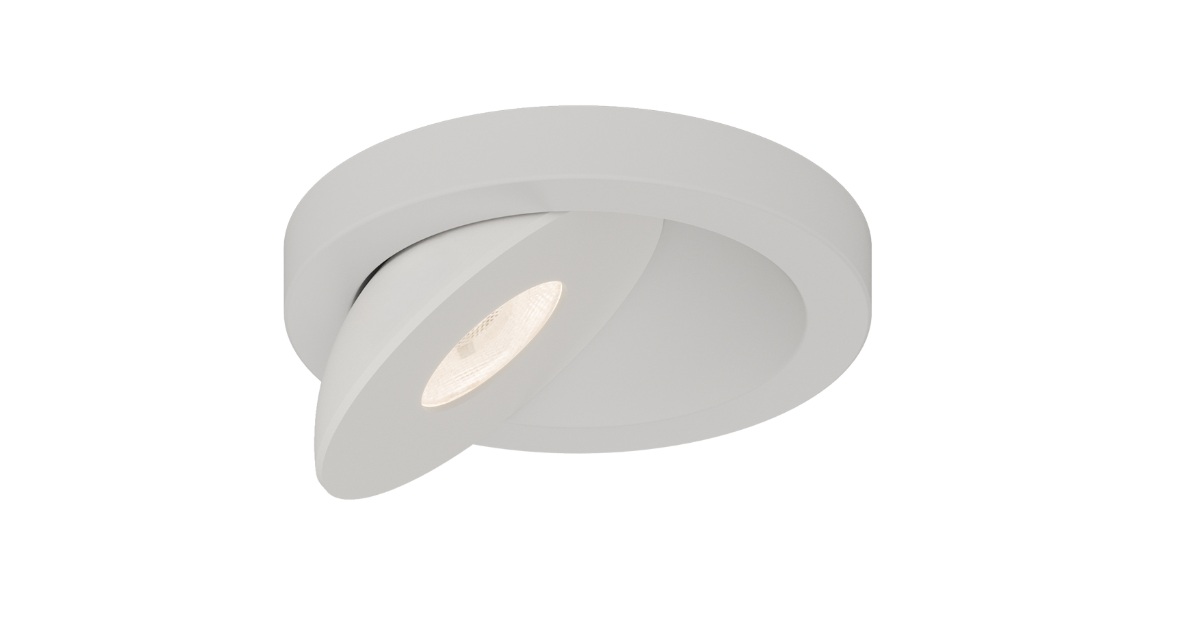
Lighting controls that once had to be manually adjusted now have the capability to automatically turn on, dim, turn off, or white tune, saving energy, time, and resources. Color-tuning white LEDs are used in all fixtures and are dimmable and tunable between 2200K and 6500K. Dome light fixtures are connected to a color and intensity sampling sensor placed on the building’s exterior to automatically adjust the fixtures’ color temperature to match the exterior light’s color temperature by utilizing the DMX drivers and DMX lighting control system. The control system’s multiple zones highlight architectural features and allow maximum flexibility.
Lighting quality and control exceeded expectations of facilities managers, broadcasting technicians and end-users. The flexible control system can override the tunable LEDs when needed and can be expanded for future zones. The touchscreen control interface is easy to use and accessible in both the control room and on the chamber floor, making lighting modifications user-friendly.
With the new lighting and control system, broadcasters can color-tune fixtures at full light levels to ensure optimal broadcasting experience. Intensity and temperature of the lighting can be altered for specific zones.

Controls enhance lighting flexibility, fine-tuning an aesthetic display using color intensity and temperature. As the light is dimmed and controlled, the architectural palette evolves.

Public viewing lighting tuned to match and change with the natural daylight outside. The automated skylight creates a welcoming, natural extension of the exterior conditions.

The architectural cove and ceiling area are enhanced with warm tones that match the outside lighting. Contrast in light and dark further accentuates the portals.

Automatic color-tuning at mid-day mimics the temperature and intensity outside. Warm cove up-lighting provides contrast in color temperature.

Automatic color-tuning in skylights mimics the temperature and intensity outside in the evening. Warm cove up-lighting provides contrast in color temperature.

Lighting controls allow flexibility in color of all zones and fixtures, playing into creating different experiences and feelings in this dynamic canvas.