Choosing Smartly Among LED vs. CFL vs. Incandescent Light Bulbs
September 24, 2024
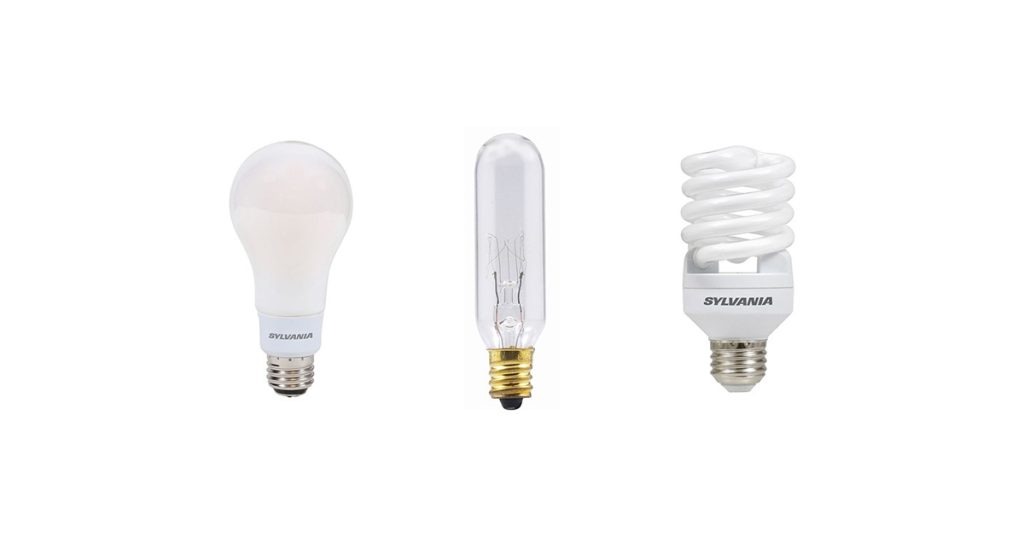
Advancements in lighting technology have revolutionized the way we illuminate our spaces. From the traditional incandescent bulbs to the modern LED and CFL options, the choices are vast. This article will delve into the comparative analysis of these three popular light bulb types: LEDs, CFLs, and incandescents.
Understanding LED Bulbs
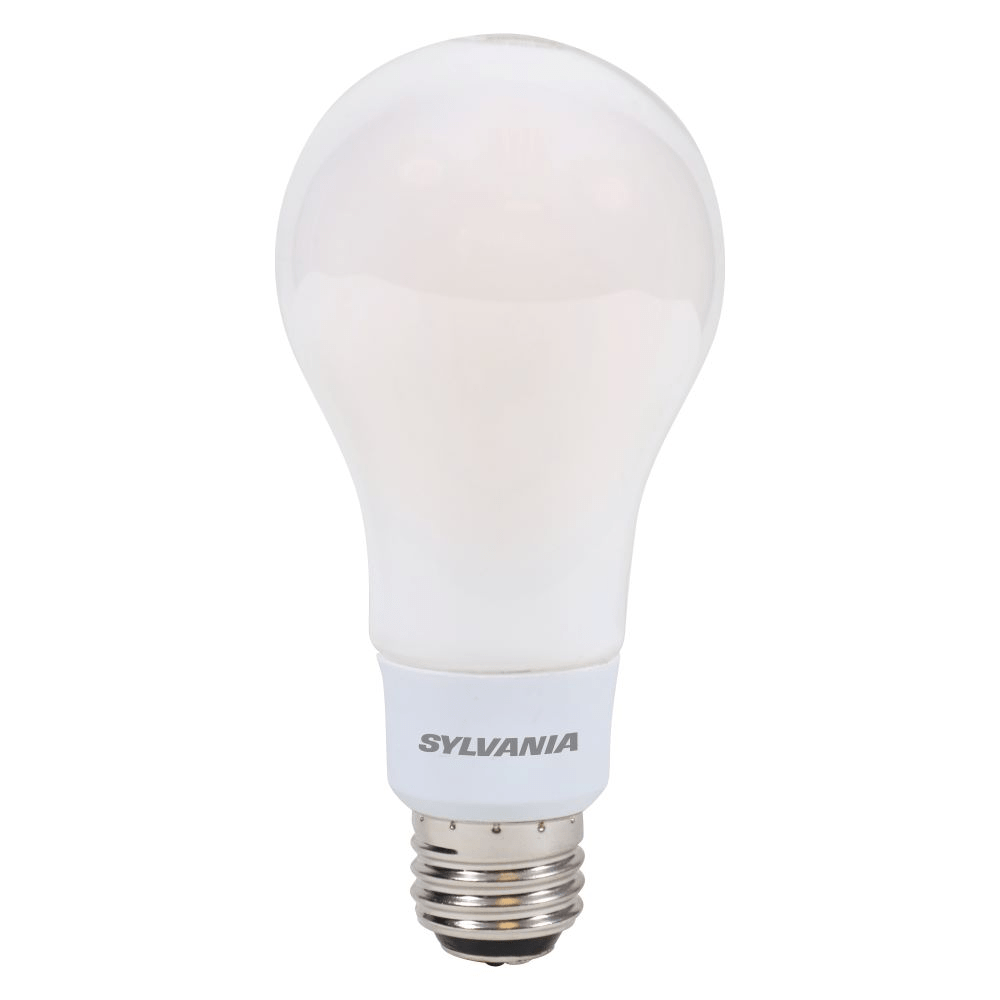
LEDs, or light-emitting diodes, have a rich history dating back to their invention in 1961. They offer significant energy efficiency improvements over traditional bulbs, thanks to innovations in substrate technology. Key advantages of LED bulbs include: ·
- High energy efficiency, up to 80% more efficient than incandescents.
- Environmentally friendly with no mercury content.
- Extended lifespan, often surpassing 50,000 hours.
Insights into CFL Bulbs
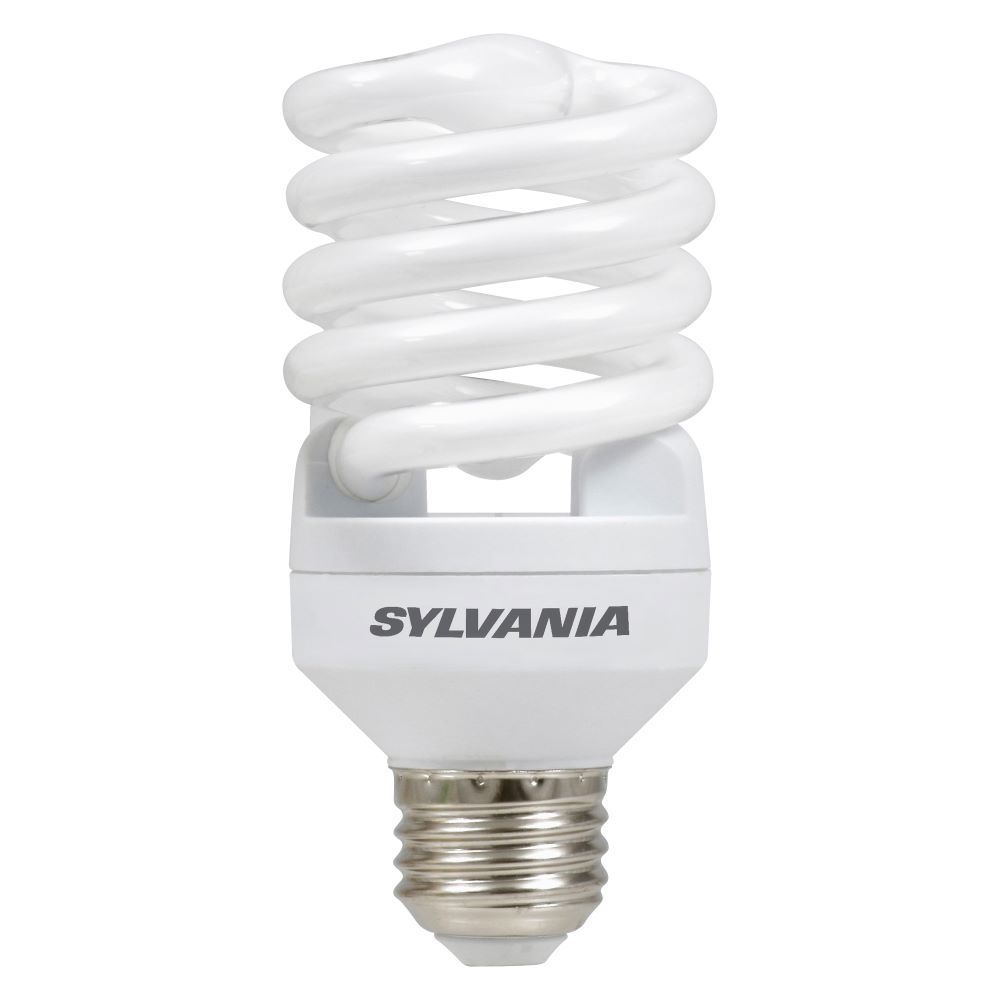
Compact fluorescent lamps (CFLs) emerged as a replacement for incandescent bulbs, boasting superior energy efficiency. Despite their advantages, such as longevity and versatility, CFLs come with drawbacks such as reduced lifespan due to frequent switching and sensitivity to temperature changes.
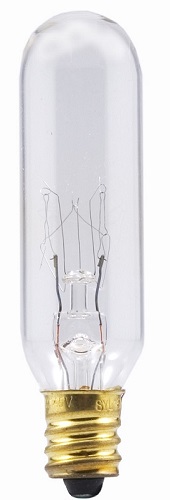
Exploring Incandescent Bulbs
Incandescent bulbs, the traditional choice for decades, offer affordability and ease of installation. However, they are notorious for their low energy efficiency, with only a fraction of electricity converted into light.
Comparative Analysis: LED vs. CFL vs. Incandescent
Energy Efficiency
LED: Offers the highest energy efficiency, typically consuming 80% less energy than incandescents and 2-4 times less energy than CFLs.
CFL: More efficient than incandescents, using up to 80% less energy. However, it falls short of LEDs in terms of efficiency.
Incandescent: Known for its poor energy efficiency, with a significant portion of energy wasted as heat rather than light.
Lifespan
LED: Boasts the longest lifespan, with some products lasting over 50,000 hours, reducing the frequency of replacements.
CFL: Offers a relatively long lifespan compared to incandescents, typically lasting up to 10,000 hours.
Incandescent: Has the shortest lifespan, typically lasting around 1,000 hours, necessitating frequent replacements.
Environmental Impact
LED: Environmentally friendly option, containing no mercury and producing minimal heat emissions.
CFL: Contains small amounts of mercury, requiring proper disposal methods to minimize environmental impact.
Incandescent: Produces more heat and greenhouse gas emissions compared to LED and CFL counterparts.
Light Quality
LED: Provides various color temperatures and excellent color rendering capabilities, offering versatile lighting options.
CFL: Offers decent light quality but may have limitations in color rendering compared to LEDs.
Incandescent: Known for its warm and soft light quality, preferred by some users for its familiar ambiance.
Cost-effectiveness
LED: Higher initial investment but offers long-term cost savings due to energy efficiency and extended lifespan.
CFL: Moderate initial cost with energy savings over time, but shorter lifespan may offset some savings.
Incandescent: Low initial cost but higher energy consumption and frequent replacements result in higher long-term costs.
Compatibility and Versatility
LED: Compatible with dimmers and offers various shapes and sizes for versatile applications.
CFL: Compatible with dimmers in some cases, but not all models offer dimming capabilities. Limited options in shapes and sizes compared to LEDs.
Incandescent: Compatible with traditional dimmers and available in various shapes and sizes, offering versatility in lighting applications.
Conclusion
While each type of bulb has its pros and cons, LED technology stands out as the superior choice for most applications. With unmatched energy efficiency, longevity, and versatility, LEDs are the go-to option for modern lighting solutions. By considering these factors, you can make an informed decision when choosing the right light bulb for your home or business needs.