LEDs vs. the Zika Virus
June 7, 2016
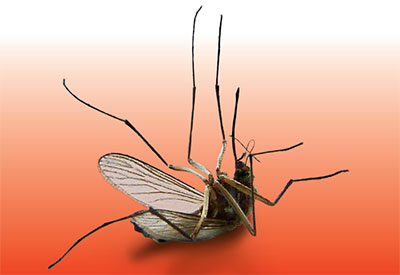
Could LEDs be the solution to controlling the Zika virus? Lighting Science Group thinks so. It’s already testing LED-based bug traps with the U.S. Department of Agriculture’s entomology lab.
Since different insects are attracted to different light wavelengths, the big question facing Lighting Science is which wavelength would most appeal to the Aedes aegypti mosquito that has been linked to Zika.
Why LEDs? “With LEDs, the great promise is control,” explains Travis Longcore, an assistant professor at the University of Southern California who studies the effect of light on insects. “It’s control on illumination, on timing, on spectrum.” Longcore was quoted in a recent Fortune magazine article. [1]
Lighting Science has already applied its LED expertise to other health-oriented applications, creating “biological lighting innovations for NASA astronauts, new parents, and almost everyone in between,” according to the company’s website. These LEDs aim to create ““the crucial balance of day-night illumination required for optimal circadian functioning and normal sleep regulation… When we think about light, we don’t just think of a bulb or a hue. We consider the genetics and biology of light — from the way it helps animals communicate to the way we use it to set our body clocks.”
As for insects, Fred Maxik, Lighting Science’s Chief Technology Officer, hopes they can create a smart trap that will sense which bugs are nearby and keep a record of what it traps. With an understanding of which wavelengths attract specific insects, Lighting Control may also be able to design lights that keep those insects away — a “do no harm” model of risk reduction.
While we’re waiting…
To prevent being infected by the Zika virus, here’s what the World Health Organization recommends:
1. Avoid mosquito bites by
¥ wearing clothes (preferably light-coloured) that cover as much of the body as possible
¥ using physical barriers such as window screens or closing doors and windows
¥ sleeping under mosquito nets
¥ using insect repellent containing DEET, IR3535 or icaridin according to the product label instructions.
Pay special attention to those who may not be able to protect themselves adequately, such as young children, the sick or elderly.
2. Cover, empty or clean potential mosquito breeding sites in and around houses such as buckets, drums, pots, gutters, and used tyres. Communities should support local government efforts to reduce mosquitoes in their locality. Health authorities may also advise that spraying of insecticides be carried out.
3. Practice safe sex. To reduce the risk of sexual transmission and potential pregnancy complications related to Zika virus infection, the sexual partners of pregnant women living in or returning from areas where local transmission of Zika virus occurs should practice safer sex (including using condoms) or abstain from sexual activity throughout the pregnancy.
People living in areas where local transmission of Zika virus occurs should also practice safer sex or abstain from sexual activity. In addition, people returning from areas where local transmission of Zika virus occurs should adopt safer sexual practices or abstain from sex for at least 8 weeks after their return, even if they don’t have symptoms. If men experience Zika virus symptoms they should adopt safer sexual practices or consider abstinence for at least 6 months. Those planning a pregnancy should wait at least 8 weeks before trying to conceive if no symptoms of Zika virus infection appear, or 6 months if one or both members of the couple are symptomatic.
1. Fortune online, http://fortune.com/2016/05/18/led-lights-zika-virus/.