Introduction to Lighting Colours and Their Impact
May 2, 2024

By Robert Lanteigne
Lighting colour plays a pivotal role in shaping our environments, influencing mood, productivity, and even our health.
Recent trends in human-centric lighting consider how light affects the human body biologically, emotionally, and cognitively. Cold, warm, and dynamic lighting settings can be controlled to optimize comfort and efficiency in homes, workplaces, and public spaces.
Cold and Warm Lighting: Effects on the Body and Mind
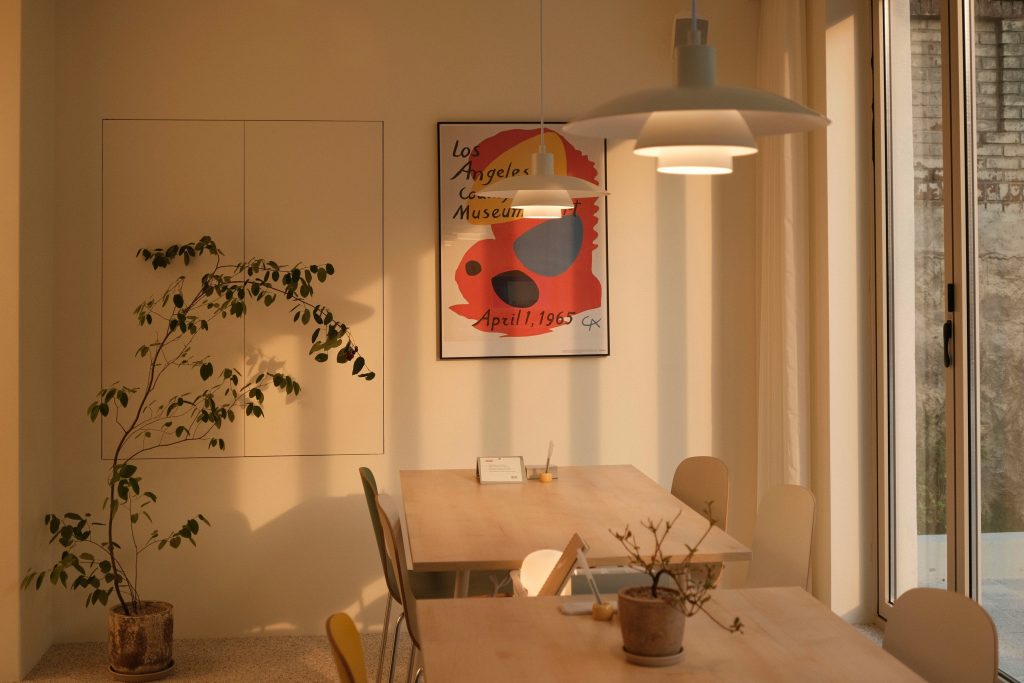
Cold Lighting is akin to daylight and has a higher colour temperature which stimulates the brain, enhances concentration and alertness, making it ideal for offices and study areas. Meanwhile, Warm Lighting features a lower colour temperature, promoting relaxation and calmness, thus perfect for living spaces and areas where comfort is prioritized.

Dynamic Lighting: Adapting to Human Needs
Dynamic Lighting is an innovative solution that transitions between different colours and intensities throughout the day. This adaptability can support natural circadian rhythms, enhance mood, and even improve sleep patterns by mimicking natural light changes from dawn to dusk.
Human-Centric Colour Effects in Different Settings
At home, lighting can dynamically change to support activities: brighter, colder light for morning activities transitioning to warmer tones for a relaxing evening. In workplaces, automated systems adjust the lighting for optimal working conditions, reducing eye strain and fatigue. Public spaces use dynamic lighting to adapt to different events or times of day, enhancing both aesthetic appeal and functionality.
Local, Centralized, and Remote Control of Lighting
Local Control allows individual control over the lighting in a specific room or area using phone, switches or dimmers. Centralized Control systems manage lighting throughout a building from a single point, ideal for large homes or commercial buildings, often integrated with building management systems. Remote Control offers the convenience of managing lighting via apps or remote devices, perfect for modern smart homes and offices.
DIY vs. Professional Installation
While DIY projects can be cost-effective and fulfilling, professional installation ensures that lighting systems are optimized for efficiency and safety. Depending on the complexity of the installation, hiring a professional might be necessary.
Choosing Between Electricians and Low Voltage Contractors
Standard electrical work can often be handled by electricians, but advanced lighting systems, particularly those that integrate with smart home technology or extensive wiring, might require a low voltage contractor. These professionals specialize in the low-voltage wiring needed for sophisticated lighting controls and systems.
New Construction vs. Remodeling
In new construction, planning for lighting and control systems can be integrated from the start, providing more options for customization. Remodeling might be limited by existing structures but can still significantly upgrade a space through strategic lighting improvements.
Using a lighting designer
In architectural projects, colour brings several critical benefits, particularly when integrating colour effectively within a space. Here are the main advantages:
1. Expert Knowledge of Colour Properties: A lighting designer has specialized knowledge of how different colours influence space perception and mood, enhancing the architectural vision with appropriate lighting schemes.
2. Harmonization of Light with Architectural Elements: Lighting designers ensure that the lighting interacts constructively with the building’s materials, surfaces, and colours. This integration can make architectural features pop or provide a subtle enhancement depending on the intended design.
3. Achievement of Functional and Aesthetic Goals: A designer balances the functional lighting needs with aesthetic preferences, which is crucial for creating spaces that are both useful and visually appealing .
4. Holistic Approach to Lighting: Lighting designers work to ensure that the lighting is integrated seamlessly with the overall architectural design, thus fulfilling the architect’s vision more comprehensively .
5. Supporting Health and Sustainability: Professionally designed lighting plans take into account sustainability and the health impacts of lighting, aiming to reduce energy use while ensuring that the light quality supports human well-being.
Conclusion
The evolution of colour lighting technology offers endless possibilities to enhance everyday life. Understanding the effects of different lighting colours and the best practices for implementing various control systems can transform a space, making it more adaptable to our needs. Whether through DIY projects or professional upgrades, effective lighting control is an investment in comfort, efficiency, and well-being.
More information about Lightbob