Shedding Light on Directional Lighting: A Bright Focus in the World of Illumination
February 5, 2024
By Robert Lanteigne
In the vast world of lighting, where brightness and ambiance play crucial roles, there exists a fascinating phenomenon known as directional lighting.
Unlike its counterpart, diffused lighting, which disperses light in various directions, directional lighting focuses its luminance in one specific direction, akin to a laser beam cutting through the darkness. This article aims to delve into the intricacies of directional lighting, exploring its characteristics, applications, and significance in various settings.
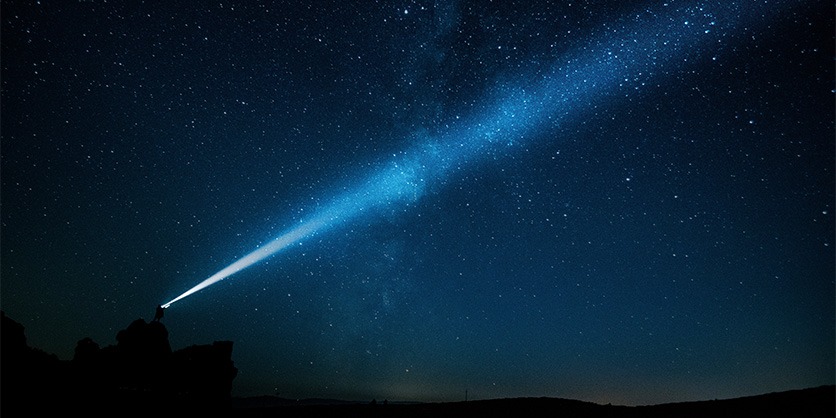
Directional lighting, as the name suggests, illuminates a designated area by emitting light in a concentrated beam, thus creating a pronounced brightness in the targeted direction. Picture yourself amidst the serenity of a camping trip, holding a flashlight and casting its beam into the obscure depths of the woods. The light extends forth in a single trajectory, guiding your path with clarity and intensity. This quintessential example epitomizes the essence of directional lighting—a focused beam illuminating the intended route while leaving peripheral areas in comparative dimness.
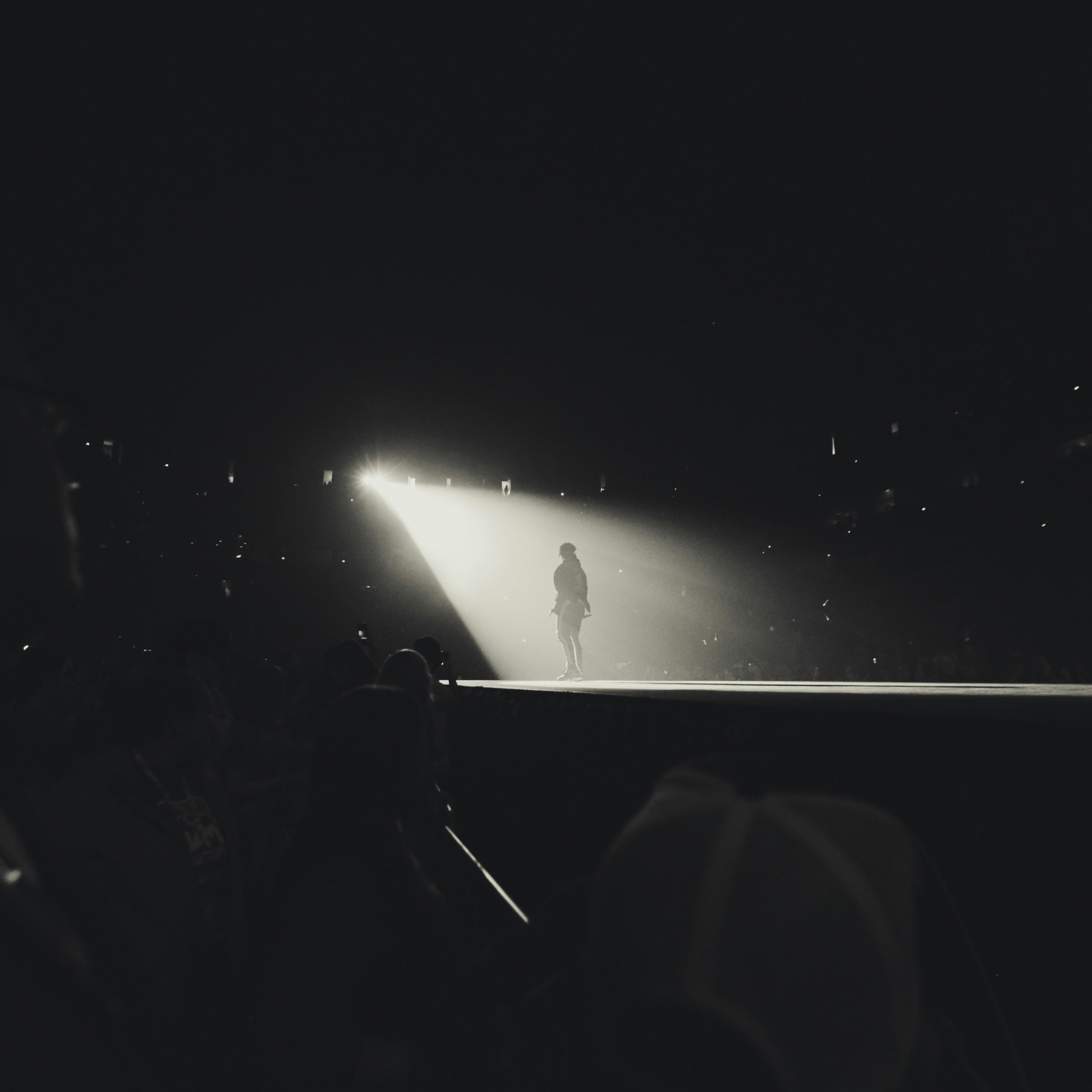
Analogous scenarios can be found in everyday settings, such as the spotlight gracing a stage, accentuating the performance of the lead actor with its directed brilliance. Similarly, consider the flash of a camera, momentarily illuminating the subject with a burst of directional light, freezing moments in time with vivid clarity. These instances underscore the versatility of directional lighting, serving as a tool to emphasize specific elements within a broader context, be it on stage or in the realm of photography.
The defining characteristic of directional lighting lies in its concentrated nature, where a significant portion of the luminous output is directed forward in a tight beam. Typically, 90-100% of the emitted light travels in the intended direction, resulting in a well-defined illuminated area. This focused approach ensures that the targeted subject receives maximum luminance, creating a prominent focal point amidst the surrounding darkness. However, it’s essential to exercise caution when encountering directional lighting, as standing within the beam can lead to a momentarily blinding experience due to the intensity of the light.

The applications of directional lighting are diverse and multifaceted, spanning across various industries and settings. In commercial spaces, directional lighting finds its niche in visual merchandising, where products are strategically highlighted on shelves or display cases to attract attention and enhance visibility. By directing focused beams of light onto specific merchandise, retailers can create captivating displays that entice customers and stimulate interest in featured products.
Moreover, directional lighting plays a pivotal role in architectural and landscape illumination, where it is utilized to accentuate key features of buildings, monuments, or outdoor landscapes. Whether illuminating the façade of a historical structure or highlighting the intricate details of a landscaped garden, directional lighting adds depth and dimension to architectural and natural elements, transforming ordinary spaces into visually captivating environments.
In the realm of interior design, directional lighting serves as a versatile tool for creating ambiance and enhancing functionality within living spaces. From adjustable track lighting in kitchens, providing focused illumination for food preparation areas, to accent lighting in living rooms, highlighting artwork or architectural elements, directional lighting allows for customizable lighting solutions that cater to specific aesthetic and functional requirements.
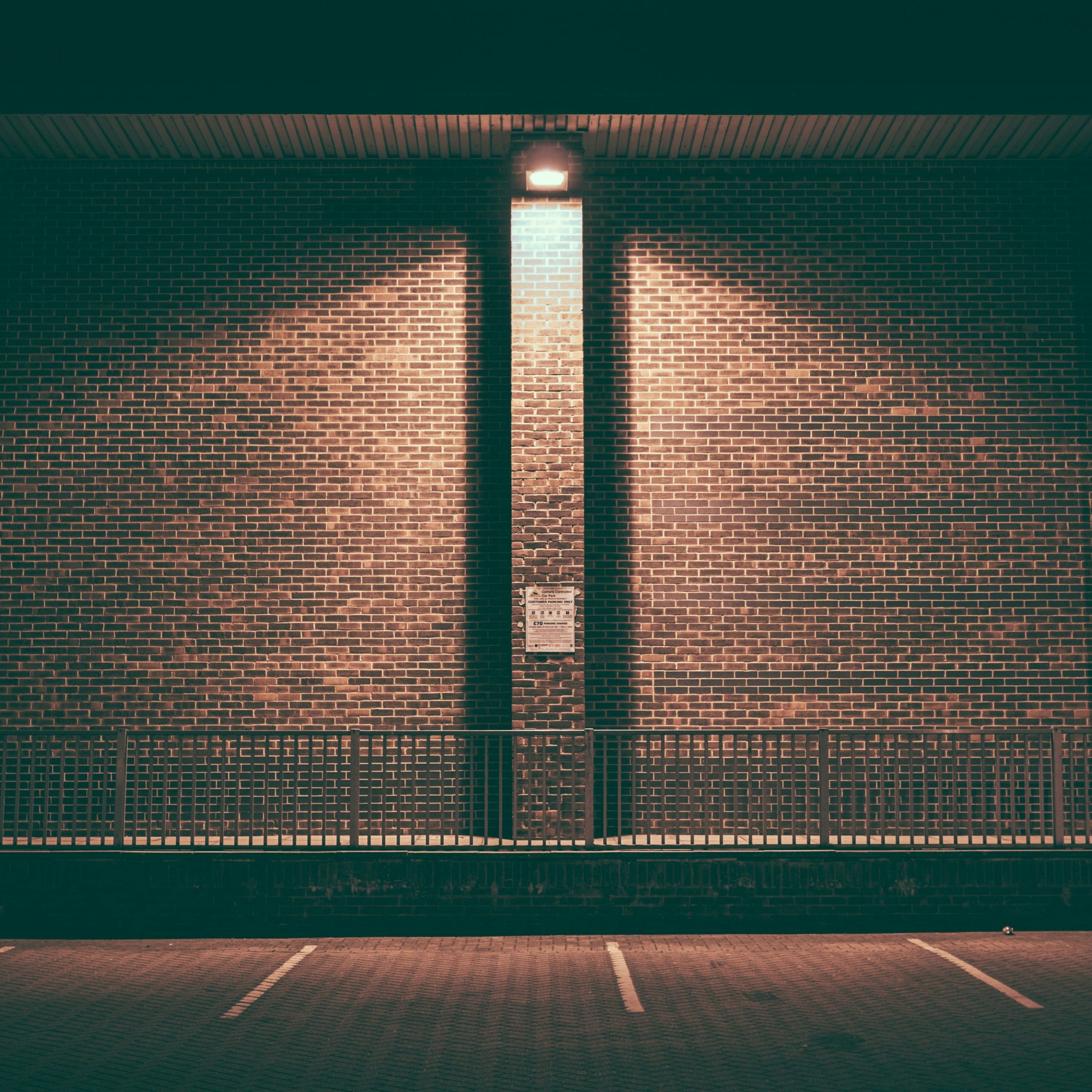
Furthermore, directional lighting finds extensive use in outdoor environments, ranging from street lighting to security lighting. By directing focused beams of light along pathways, roadways, or outdoor spaces, directional lighting enhances visibility and safety, guiding pedestrians and motorists while deterring potential security threats.
Directional lighting stands as a beacon of focused illumination in the vast landscape of lighting technologies. With its ability to concentrate luminous output in a specific direction, directional lighting serves as a versatile tool for accentuating focal points, enhancing visibility, and creating ambiance across various settings. Whether illuminating retail displays, architectural landmarks, or outdoor landscapes, directional lighting continues to illuminate our world with precision and purpose, guiding our paths and highlighting the beauty that surrounds us.
About the Author

Robert Lanteigne AKA Lightbob is a successful entrepreneur, born in Canada, established in the United States, business consultant, coach, chef, electrician and mentor with decades of experience in the fields of lighting design and creative coaching. He is the founder and CEO of Lightbob.com, a premier lighting design company that provides services worldwide, and RobertLanteigneCoach.com is a high-level coaching service that offers creative solutions to specialized consultants looking to expand their practice. Through his coaching services, Bob provides expert guidance and support to consultants who want to take their practice to the next level.
Whether they are looking to increase their revenue, expand their client base, or develop new skills, and offer personalized coaching programs that are tailored to the unique needs and goals of each client. Bob’s expertise in lighting design and creative coaching has earned him a reputation as a leading expert in both fields. His work has been featured in numerous publications, including Architectural Digest, Interior Design, and Trade Magazines, and has been a guest speaker at industry events around the world. Bob is also a past member of several professional organizations, including the International Association of Lighting Designers.
Related Articles
Illuminating Spaces: Understanding the 3 Sub-Effects of Directional Lighting
In the world of architectural lighting, directional lighting stands out for its ability to focus and shape the ambiance of a space. Unlike diffused lighting, which spreads light evenly across an area, directional lighting points and shines light in a specific direction, creating dynamic and dramatic effects. This article explores the three sub-effects of directional lighting: Indirect, Semi-Direct, and Demi-Indirect lighting, delving into their characteristics, applications, and the unique atmospheres they create.
The Non-Technical Language of Light: General Diffuse Lighting
Today’s LEDs outmode most older means of lighting through vastly heightened efficiency and flexibility. Yet when initially incorporated into bulbs replacing traditional models, LED arrays still cast their high-energy photons outwards without overt manipulation.
Lighting Design and Technology: Illuminating My First Decades in Lighting: From Halogen to LEDs and Beyond
Over my first decade in the lighting industry, I witnessed tremendous technological advancements, from halogen to LEDs and beyond. While embracing each evolution, I made it my mission to push innovation further through product development, education, and applications. My journey has shown me that no matter how far technology progresses, success lies in mastering the fundamentals of lighting design.