Researchers Develop Sand that Produces White Sun-Like LEDs
October 17, 2018

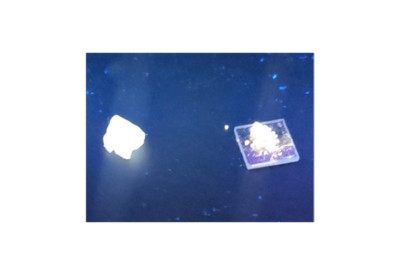
Researchers at the IMDEA Materials Institute of Madrid, the University of La Rioja, and the University of Alicante have succeeded in producing a material similar to sand (silica nanoparticles) that emits high quality white light for a new generation of LED hybrids. 

As reported in LED Professional, the development of new silica nanoparticles that emit light is one of the most competitive fields and with more applications in the investigation of new sources of artificial light, since they reduce the impact on our visual system and can be manufactured in a more environmental-friendly way.

The fundamental contribution of this work is that it has managed to produce white light, which stands out for its stability, excellent quality and that does not harm the eyes. Until now, other researchers had managed to produce similar materials that emitted green, blue or red light, but not white, which is the key colour for their future exploitation. In addition, the LEDs prepared with this new material present a record of stability that by far outmatches the previously developed monochromatic ones. The light emitted by these new LEDs is very similar to sunlight, which also makes it healthier. The practical interest of this white light emitting sand is that it could replace the current colour filters based on rare earths such as Yttrium, whose extraction and exploitation causes significant negative effects on the environment.

University researchers from La Rioja and Alicante are experts in the use of coordination chemistry called sol-gel, a technique that allows the preparation of metal oxides with new properties. For his part, Rubén Costa, one of the international leaders in the design of luminescent devices, such as LEDs, and in the development of photovoltaic energy, investigates the properties of these oxides together with his research group in IMDEA Materials.

Related Articles


Changing Scene


Design

  • Omnify: 7 Common Light Panel Mistakes (And How to Fix Them)

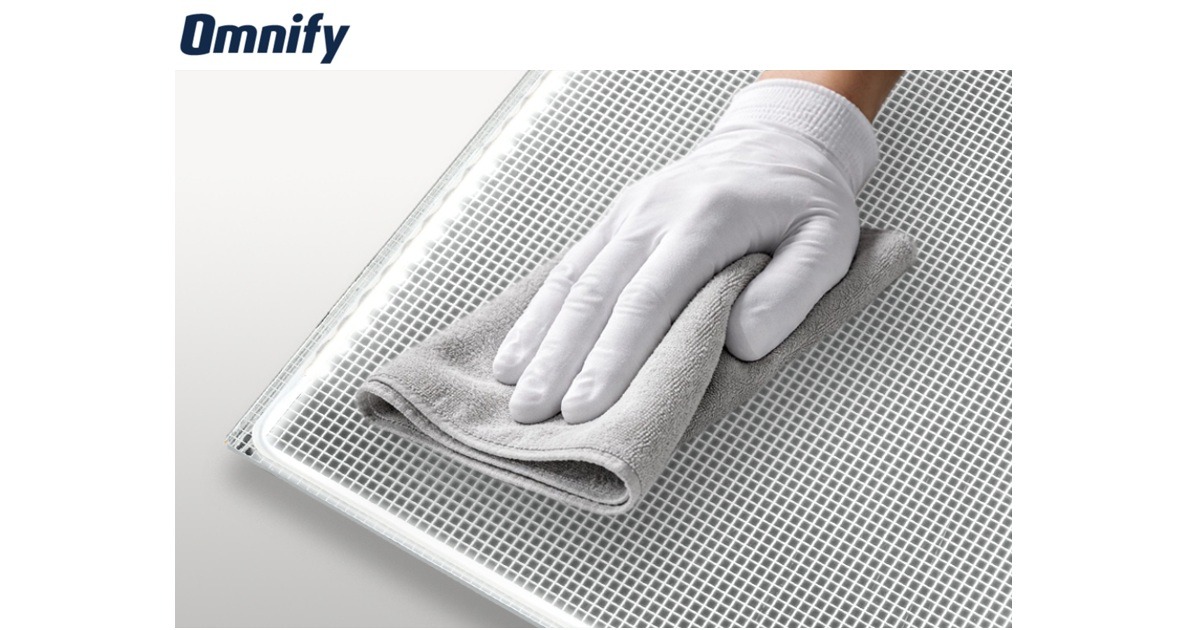
    Omnify: 7 Common Light Panel Mistakes (And How to Fix Them)

    You’ve invested in premium LED light guide panels for your retail display or commercial project. The specs looked perfect. The samples were gorgeous. But now? Something’s off. Maybe the lighting is uneven, or panels are starting to fail way before they should. Here’s the thing, most LED light guide panel problems aren’t manufacturing defects. They’re… Read More…

  • Legrand: The Benefits of DMX Lighting in Modern Commercial Spaces 

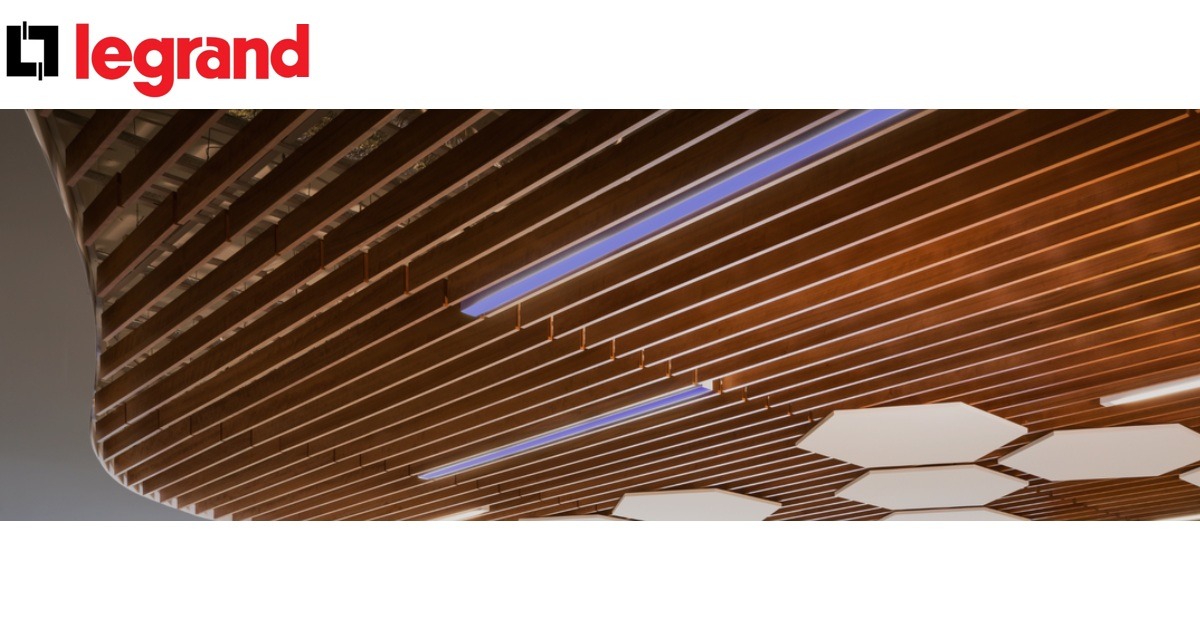
    Legrand: The Benefits of DMX Lighting in Modern Commercial Spaces 

    DMX lighting is a powerful control protocol originally developed for theaters and entertainment venues, but its reach has expanded far beyond the stage. Today, DMX is increasingly used in commercial, educational, healthcare, and architectural environments to create dynamic, color-rich, and adaptable lighting experiences. Where traditional lighting systems focus primarily on on/off and dimming control, DMX… Read More…


New Products

  • RENO Lighting: Aerolux – Adaptive Area Light with Field-Adjustable Distribution

    RENO Lighting: Aerolux – Adaptive Area Light with Field-Adjustable Distribution

    Meet the Aerolux Series—a sculpted area light with on-site adjustable distribution, delivering precise, adaptable illumination across a range of applications. With a slim, curved profile and durable die-cast aluminum construction, Aerolux combines refined design with lasting performance and durability. One fixture. Multiple configurations. No compromises. Aerolux reduces SKU complexity while increasing on-site flexibility, and is… Read More…

  • LEDVANCE: SYLVANIA TruWave Technology

    LEDVANCE: SYLVANIA TruWave Technology

    TruWave Technology is a lighting technology developed by SYLVANIA. It provides the closest possible lighting experience to natural light by mimicking the natural light spectrum. Natural light is the most common light source in daily life, and it helps regulate body clocks and improve mood and focus. However, in indoor environments, the amount of natural… Read More…