Lighting the Way to Improving Safety and Efficiency
December 5, 2016
Lighting technology is evolving at such a fast pace that what is relevant today may not be tomorrow. This constant change is challenging industry stakeholders to adapt to the sweeping changes and meet the demanding requirements and energy efficiency.
LDS spoke with Alison Drover, Marketing Project Manager at CSA Group, about what programs are already in place to monitor the rapidly changing landscape, and what stakeholders can look out for moving forward.
Certification and testing
Organizations should strive to offer training programs to help the industry stay on top of the changing regulations. For example, CSA offers specific certification and testing programs that have expanded to include testing to CSA, UL, ANSI, Energy Star, CEC, and other North American standards. The hope is that through these programs the industry can begin responding to evolving market needs quickly and efficiently, so that new products can be sold and installed for use in North America, and that conformity assessment does not impede the introduction and adoption of new technologies.
Safety standards
Under the authority of the Technical Committee on Consumer and Commercial Products, groups such as CSA Group’s Integrated Committee on Lighting Products (ICLP) are responsible for developing and maintaining safety standards related to lighting products, as well as adopting international standards.
Standards focus on areas such as luminaires, direct plug-in nightlights, LED equipment, OLED equipment, decorative lighting, emergency lighting, and much more.
Energy efficiency standards
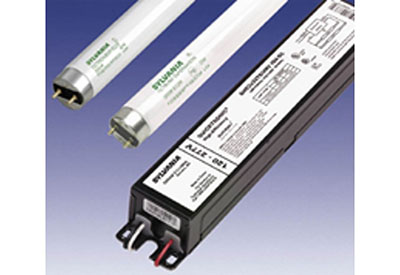
Recognizing the impact that energy efficiency and performance (EE&P) have on reducing costs and carbon footprint is important as various safety groups work to develop standards that improve EE&P of commercial, industrial, and residential lighting for indoor/outdoor applications. Standards focus on roadway lighting, fluorescent lamp ballasts, internal exit signs, HID lamp ballasts, and much more.
Sustainability
There is an increasing need for regulated standards within this emerging field. CSA Group, for example, formed a new committee in April 2012 and filed a Notice of Intent. CSA Group currently works with key organizations to better understand the needs of the market and regulators, and is consulting with stakeholders to determine the desired outcomes for developing a new sustainability standard for lighting.
Getting involved
To keep up to date on the evolution of safety standards in the lighting industry, Alison Drover of CSA Groups suggests getting involved.
“There are a number of resources available, such as becoming a CSA Group committee member, or joining the CSA Communities, as one way to stay in the know. CSA Group committee members play a vital role in standards development by defining requirements for safety, quality, and performance that affect the products and services we use every day. Their involvement contributes to public safety while fostering their own professional development. The CSA Communities provide information, resources and tools designed to provide networking, community building, customized content, connections, and a single line of sight to standards development activities.”
Find out more about CSA Communities: https://community.csagroup.org/login.jspa.
Julie Kerr is Associate Editor / Research Associate, Electrical Market; juliekerr@kerrwil.com.