Night-Time Light Pollution Is Causing Spring to Come Early
January 7, 2017
Human use of artificial light is causing spring to come at least a week early in the U.K., researchers at the University of Exeter in Cornwall have found.
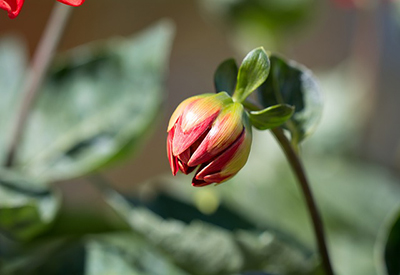
New research led by a team of biologists based at the University’s Penryn campus highlights for the first time and at a national scale the relationship between the amount of artificial night-time light and the date of budburst in woodland trees.
PhD student Robin Somers-Yeates, working with independent environmental consultants Spalding Associates, led the study, which made use of data collected by citizen scientists from across the UK, after the Woodland Trust asked them to note down when they first saw sycamore, oak, ash and beech trees in leaf as part of the charity’s Nature’s Calendar initiative. The research team analyzed this information, correlated with satellite images of artificial lighting.
The research, published in the journal Proceedings of the Royal Society B, found that buds were bursting by up to 7.5 days earlier in brighter areas and that the effect was larger in later budding trees.
Researchers believe early bud bursting will have a cascade effect on other organisms whose life cycles work in synchronicity with the trees. The proliferation of the winter moth for example, which feeds on fresh emerging oak leaves, is likely to be affected which may in turn have some effect on birds in the food chain that rely on it for food.
The findings provide important information for those in charge of lighting levels, such as local councils, and point to the need for further research into the impact of different light quality and the specific wavelengths of light generated by different lighting types.
According to Professor Richard ffrench-Constant, one of the co-leads of the study based at the University’s Penryn Campus, “We found that artificial lighting can accelerate tree leaves budding, and effectively the onset of spring, by a week. This has got to be bad for nature, particularly because of the knock-on effects. At the moment, caterpillars are timed to hatch to make the most of opportunities to feed from freshly budded leaves, and birds hatch in time to feed off the young caterpillars. If this cascade effect is thrown out of sync by early budding, wildlife is bound to suffer.
“A positive from this research is that we found red lighting to be particularly culpable for this effect. We may now have the opportunity to create ‘smart lighting’ that is kinder to nature.”
Adrian Spalding of Spalding Associates in Truro is one of the leading experts on moths in Britain. He believes this work is important as councils have recently been given control over decisions as to when they want to turn on or off their streetlights.
“This study shows the importance of collaborative research between business and academia to address our real concerns of the effect of lighting on plants and animals and the importance of managing light levels in our urban environment in a sustainable way.”
Read the full research paper: http://rspb.royalsocietypublishing.org/content/283/1833/20160813.