Simplifying Lighting Controls for Everyday Use
June 3, 2024
By Robert Lanteigne
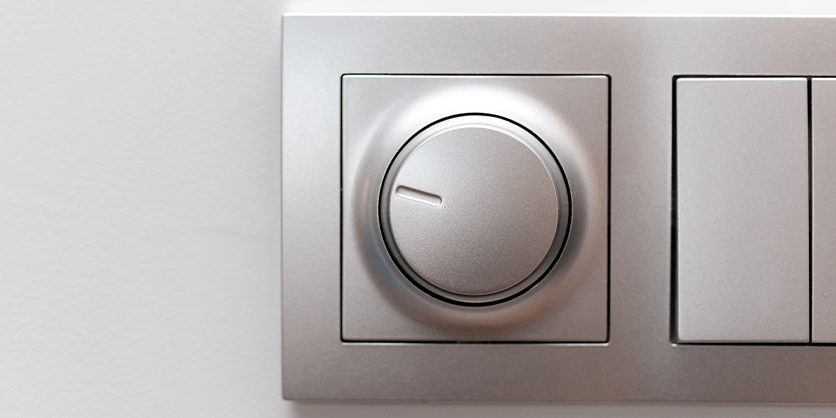
Architectural lighting control is a fundamental aspect of modern building design, influencing both the aesthetic appeal and functional efficiency of spaces.
Proper control over lighting enhances the architectural features, creates desired atmospheres, and can significantly impact energy consumption. In this detailed article, we will explore various aspects of architectural lighting control, including the types of controls, their applications, and the benefits they offer.
Introduction to Architectural Lighting Control
Architectural lighting control refers to the systems and strategies used to manage the distribution, intensity, and color of light in buildings. Effective lighting control can transform spaces, highlight architectural elements, and improve the overall user experience. This control is achieved through various devices and systems that allow for precise manipulation of lighting conditions.
Types of Lighting Controls
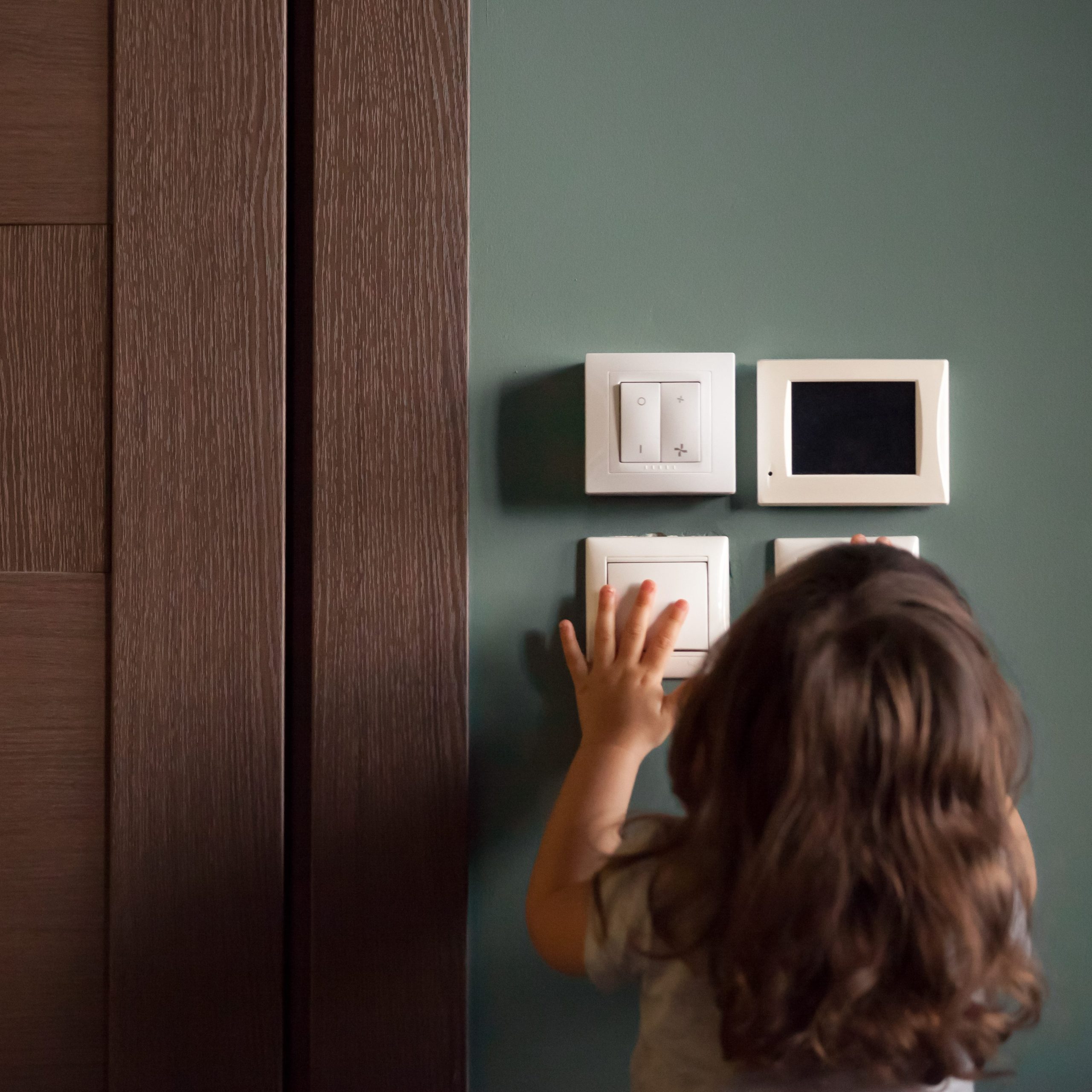
Switch Controls:
1. The simplest form of lighting control is the basic on/off switch. Despite its simplicity, switch controls play a crucial role in managing lighting in residential and commercial spaces. They are cost-effective and easy to use, providing immediate control over the illumination level in a room.
Dimmer Controls:
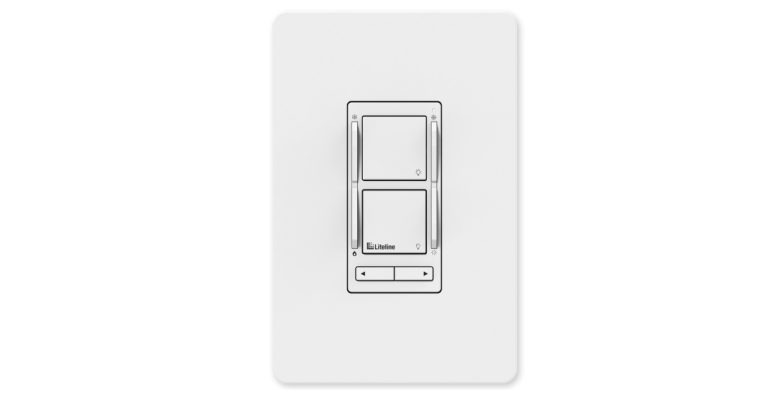
2. Dimmer switches provide more flexibility than standard on/off switches by allowing users to adjust the brightness of a light source. This control can create different moods and atmospheres within a space, making it more versatile for various activities. Dimming also contributes to energy savings and extends the lifespan of light bulbs.
Scene Controls:
3. Scene controls are advanced systems that can pre-program multiple lighting settings or “scenes” tailored to specific activities or times of day. For example, a “dinner” scene might use warm, low-intensity lighting, while a “work” scene might
involve bright, cool light. These systems offer convenience and enhance the functionality of spaces by adapting to different needs with the push of a button or a simple command.
Sensor Controls:
4. Sensors can automate lighting based on occupancy or daylight availability. Motion sensors ensure lights are only on when a space is occupied, while daylight sensors adjust artificial lighting based on natural light levels. These controls significantly reduce energy consumption and improve efficiency.
Smart Controls:
5. With advancements in technology, smart lighting controls allow for remote management and automation via mobile apps or voice commands. Smart systems can integrate with other building management systems, offering unprecedented convenience and control over lighting conditions.
Applications of Lighting Controls
Residential Spaces:
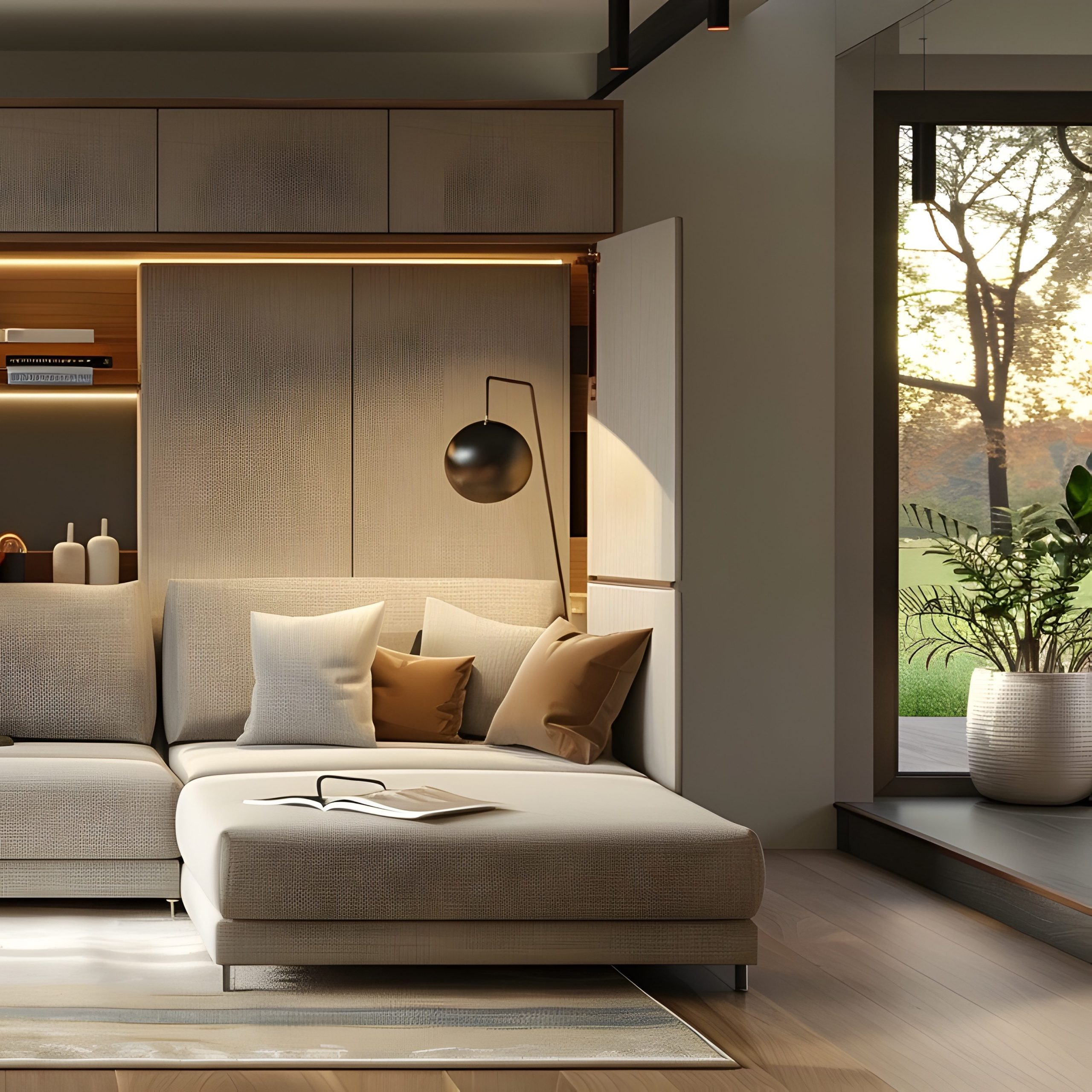
1. In homes, lighting controls enhance comfort and convenience. Scene settings can cater to different times of day, activities, or moods. For instance, a morning scene could gradually increase brightness to simulate a natural sunrise, helping residents wake up more naturally.
Commercial Buildings:
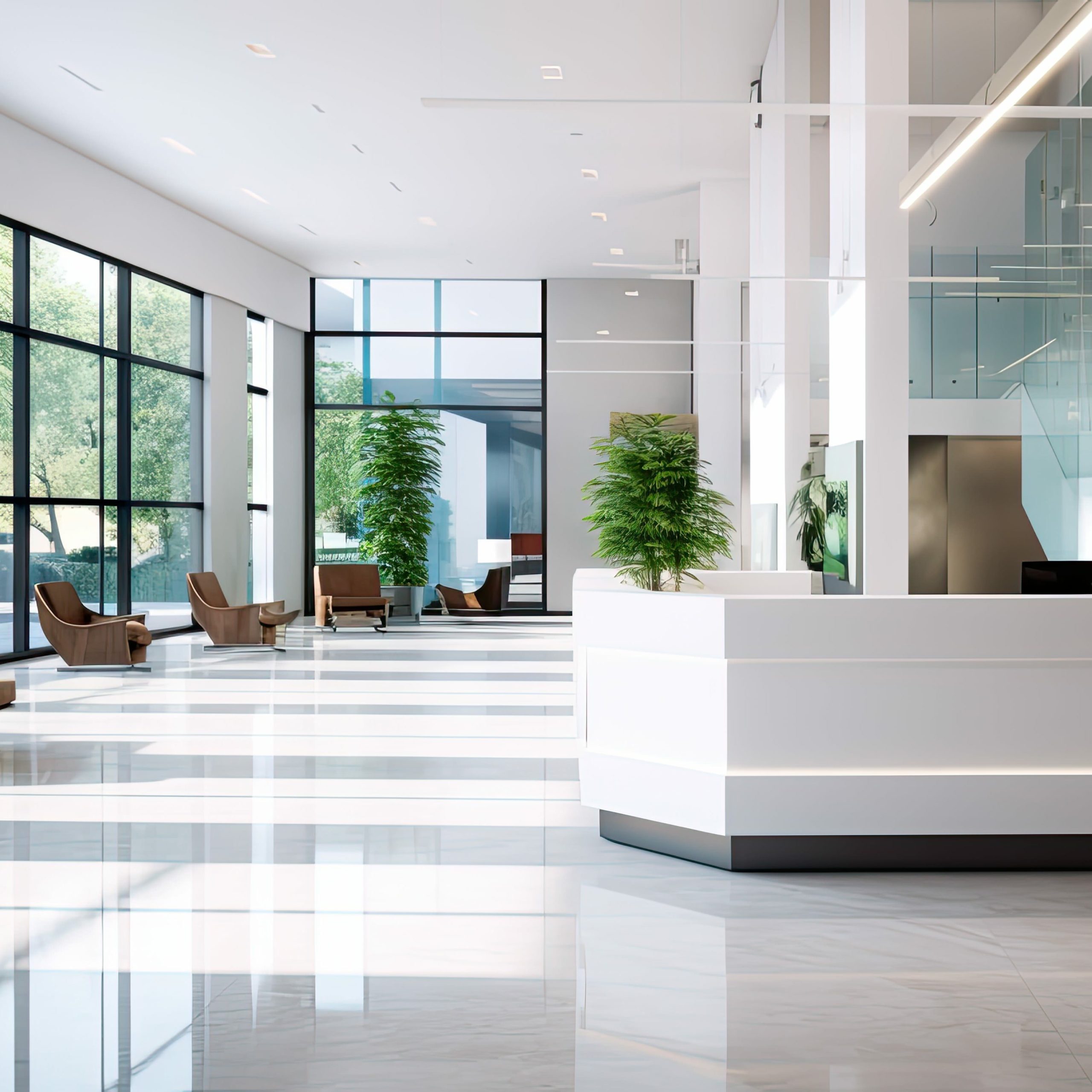
2. Office spaces benefit significantly from lighting controls through improved productivity and energy savings. Task lighting can be optimized for workstations, while ambient lighting ensures overall visibility and comfort. Sensor controls can minimize energy waste by turning off lights in unoccupied areas.
Retail and Hospitality:
3. In retail environments, lighting controls are used to highlight products and create inviting atmospheres. Dynamic lighting can attract customers and enhance their shopping experience. In hospitality, scene controls can adapt lighting to suit different times of the day or specific events, enhancing guest experiences.
Healthcare Facilities:
4. Proper lighting is critical in healthcare settings for both patient care and staff efficiency. Lighting controls can provide bright, focused light for medical procedures and softer, relaxing light for patient rooms to promote healing and comfort.
Benefits of Effective Lighting Control
Energy Efficiency:
1. Advanced lighting controls significantly reduce energy consumption. Dimmers, sensors, and smart systems ensure that lights are only used when necessary and at appropriate levels, leading to substantial energy savings and lower utility bills.
Enhanced Aesthetics:
2. Lighting controls allow for fine-tuning of light levels and colors, highlighting architectural features and creating appealing visual effects. This enhances the overall aesthetic value of a space, making it more attractive and functional.
Improved Comfort and Well-being:
3. By tailoring lighting conditions to specific activities and times of day, lighting controls can improve comfort and well-being. Proper lighting can boost mood, reduce eye strain, and create a more pleasant environment.
Increased Flexibility:
4. Lighting controls provide flexibility to adapt spaces for various uses. This is particularly beneficial in multipurpose areas where lighting needs may change frequently. With programmable scenes and smart controls, users can easily switch between different lighting setups.
Safety and Security:
5. Automated lighting controls can enhance safety and security by ensuring adequate illumination in key areas. For example, motion-activated lights can deter intruders and provide safe passage in dark areas.
Implementing Lighting Control Systems
To implement an effective lighting control system, several steps must be taken:
Assessment:
1. Evaluate the specific lighting needs of the space. Consider factors such as the purpose of the room, the amount of natural light available, and the desired ambiance.
Design:
2. Develop a lighting control plan that includes the types of controls to be used, their locations, and how they will be integrated into the overall building management system. This plan should address both functionality and aesthetics.
Installation:
3. Work with professional audio/video installers, electricians and lighting designers to plan, install and program the lighting control system. Proper installation ensures the system operates as intended and meets safety standards.
Programming:
4. Program the lighting control system to achieve the desired settings and scenes. This may involve setting up schedules, configuring sensors, and integrating with other smart homes or building systems.
Testing and Adjustment:
5. After installation, thoroughly test the system to ensure all controls work correctly. Make any necessary adjustments to optimize performance and user satisfaction.
Conclusion
Architectural lighting control is a powerful tool that enhances both the functionality and aesthetic appeal of buildings. By understanding and utilizing various types of lighting controls, designers and building owners can create spaces that are more energy-efficient, comfortable, and visually stunning. As technology continues to advance, the possibilities for innovative lighting control solutions will expand, offering even greater benefits for all types of spaces.
About the Author

Robert Lanteigne AKA Lightbob is a successful entrepreneur, born in Canada, established in the United States, business consultant, coach, chef, electrician and mentor with decades of experience in the fields of lighting design and creative coaching. He is the founder and CEO of Lightbob.com, a premier lighting design company that provides services worldwide, and RobertLanteigneCoach.com is a high-level coaching service that offers creative solutions to specialized consultants looking to expand their practice.
Through his coaching services, Bob provides expert guidance and support to consultants who want to take their practice to the next level.
Whether they are looking to increase their revenue, expand their client base, or develop new skills, and offer personalized coaching programs that are tailored to the unique needs and goals of each client. Bob’s expertise in lighting design and creative coaching has earned him a reputation as a leading expert in both fields. His work has been featured in numerous publications, including Architectural Digest, Interior Design, and Trade Magazines, and has been a guest speaker at industry events around the world. Bob is also a past member of several professional organizations, including the International Association of Lighting Designers. More information about Lightbob
Other Articles from Robert Lanteigne
Introduction to Lighting Colours and Their Impact – Lighting Design & Specification
Illuminating Spaces: Understanding the 3 Sub-Effects of Directional Lighting
The Non-Technical Language of Light: General Diffuse Lighting