Fundamentals of Architectural Lighting Design
April 17, 2020
Successful architectural lighting design requires professionals that have artistic vision along with solid technical aptitude. These experts need to couple their creativity with knowledge of building codes, physics, optics, sustainability practices, internet of things (IoT), LED and control technologies and human-centric lighting, and more. Today’s lighting designers take a holistic approach to illuminating a property with attention to the aesthetic, functional, and energy efficiency aspects of lighting.
Aesthetic Lighting
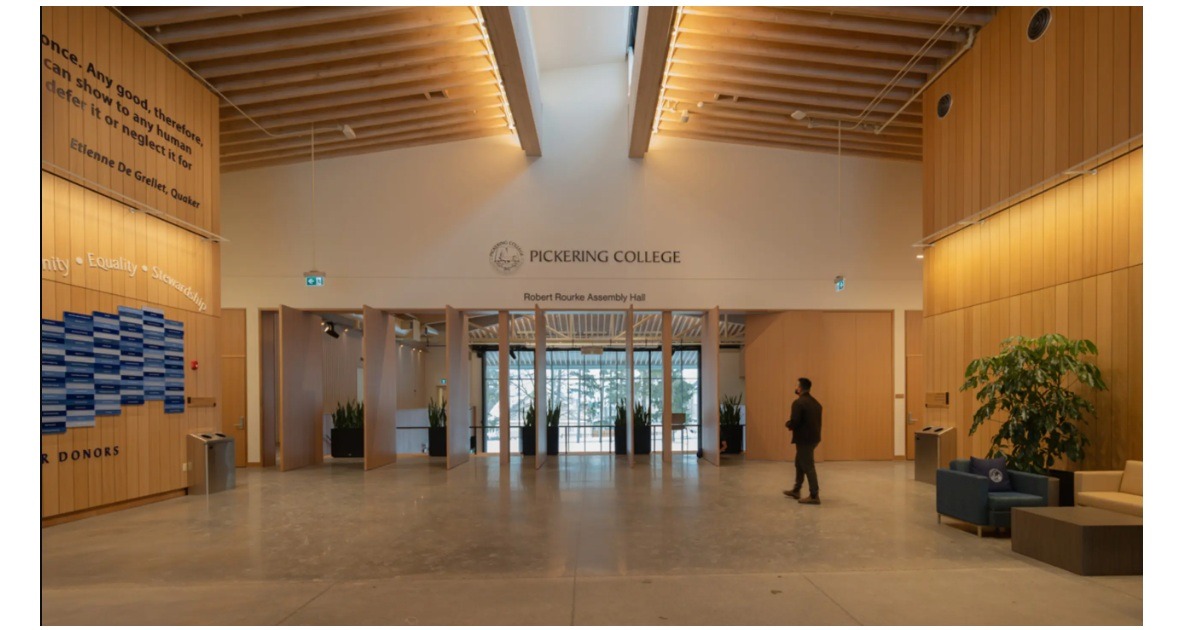
Aesthetic lighting isn’t just a reflection of the styles of lighting fixtures selected. It is how the light itself interacts with the objects and architectural features of a space. For example, aesthetic lighting plays a critical role in supporting or enhancing a company’s brand image. Consider the high-impact lobby that creates an immediate impression—aesthetic lighting has likely played a significant role in emphasizing the architectural elements or a specific feature in the space.
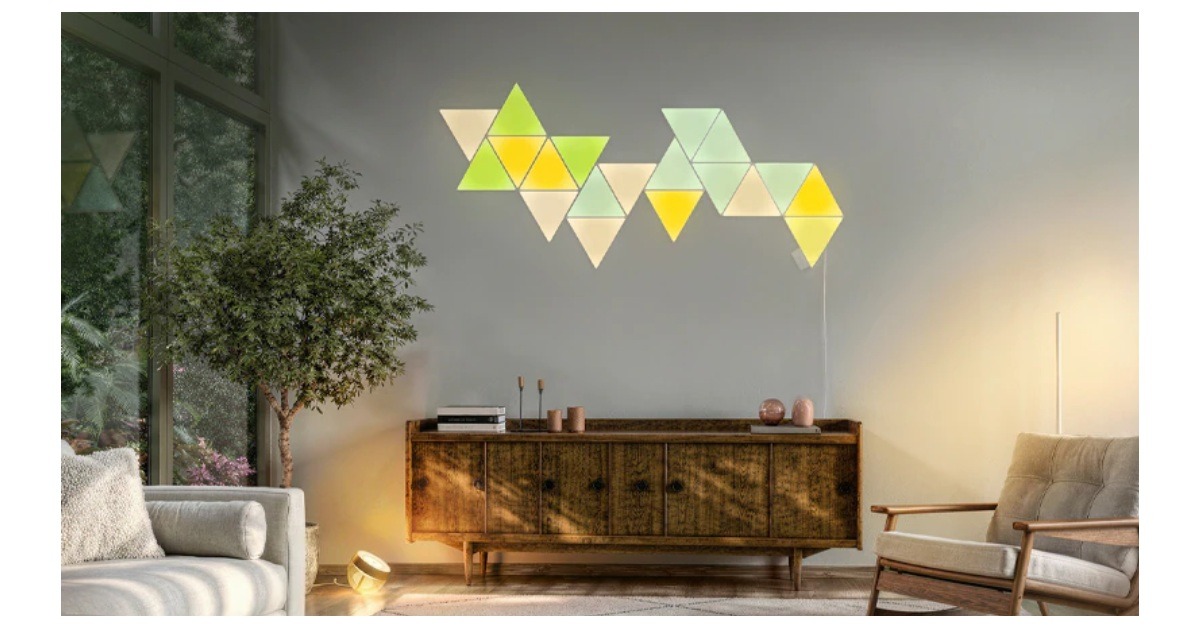
Aesthetic lighting also has an emotional impact on the occupants of a space by creating an experience or influencing how people feel about that space. In the hospitality industry, the brand is all about the guest experience, and lighting plays a key role in defining the mood or atmosphere of the hotel. In retail, aesthetic lighting can directly impact buying decisions.
Functional Lighting
Every space has mandatory illumination requirements. The functional aspect of architectural lighting design will determine the required amount of light, the distribution of light in an area, and much more, based on the purpose of the space, including occupant tasks or activities. The combination of different types of lighting, the location of luminaires, determining the amount of natural light in a space and how it is leveraged, and creating light that is in sync with nature’s circadian rhythm, all play a role in supporting occupants and the activities that occur in the space. For example, the functional lighting aspects of a classroom differ from a school’s cafeteria or gym. Similarly, a research lab’s functional lighting will differ from what is required in a conference room.
Functional lighting also addresses the issue of safety. Occupants need adequate lighting to move safely across a space, even in an emergency when the power goes down.
Energy Efficiency
Advances in lighting technologies, combined with building code requirements, have caused a substantial decline in the amount of electricity used for lighting commercial buildings. However, a building’s lighting system is still a dominant consumer of electrical energy and a significant source of heat, leaving much room for improvement in this area.
Efficacy is top of mind in any architectural lighting design as inefficient luminaires require more electrical power to produce the same illumination level as those with high efficacy levels.
LED Driver Technology Impacts Architectural Lighting Design
Architectural luminaires are the foundation of a lighting design plan. They can be simple in style or use unique materials that are works of art. Although often chosen because of their physical aesthetics, the inner workings of the luminaire—specifically its LED driver technology—plays a critical role in meeting the goals and objectives of a lighting design plan. And not all LED drivers are created equal.