Lutron HXL: A New, Holistic Approach to Human Centric Lighting

May 9, 2019
In recent years, human centric lighting – a philosophy describing lighting that creates more comfortable, welcoming, and engaging environments for people – has become a widely discussed talking point in the building industry. But differences of opinion regarding its impact and scope have generated discussion among industry specifiers and end users.
Lutron Electronics, a lighting controls and automated shading solutions company, believes human centric lighting should promote comfort, enable enhanced well-being, and foster engagement. As Scott Hanna, Lutron senior vice president, says, “High-quality lighting has become an essential amenity in the construction and design industry. It helps attract and retain talent, and creates extraordinary experiences”
To further those goals, Lutron has created a holistic approach to human centric lighting: Lutron HXL.
The Lutron HXL approach combines four elements of lighting design to allow people to be, work, and feel their best: Quality Light, Natural Light, Connection to the Outdoors, and Adaptive and Personalized control.
The approach recognizes the importance of biophilia, a human connection to nature; incorporates the Internet of Things with smart technology; and allows people to manage their environment with a variety of personalized control. Indeed, the four elements of lighting design focus on different aspects of the human experience:
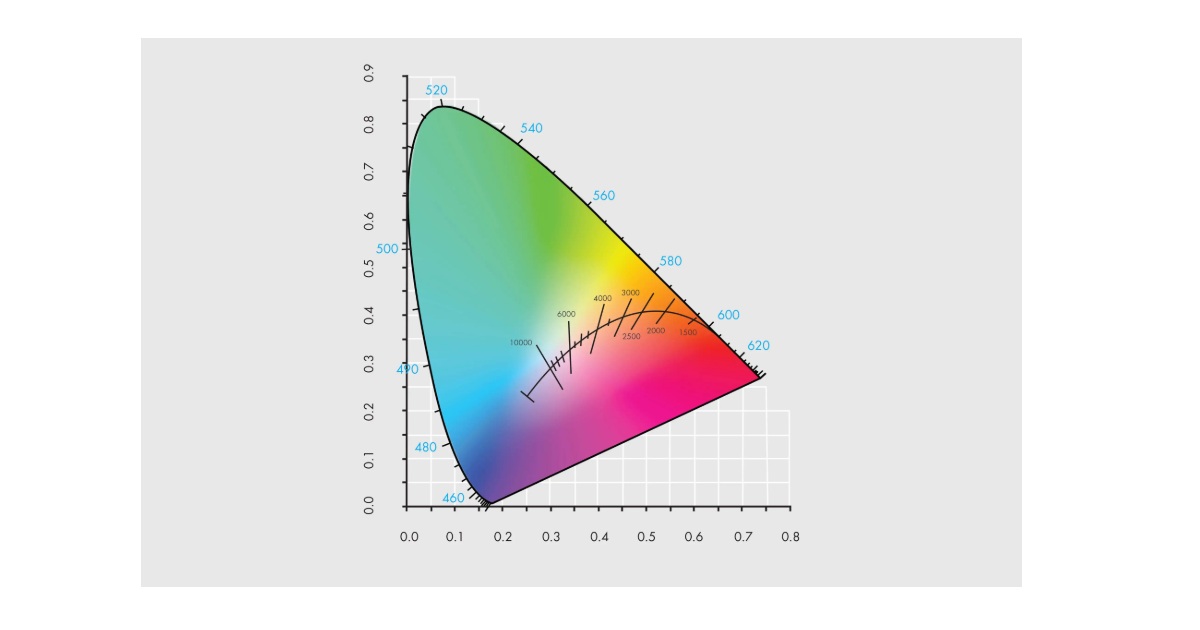
- Quality light. The impact of quality light can’t be understated. For designers, it can mean the difference between delivering their design intent – such as preserving color or highlighting architectural features – or not. For occupants, it may make the difference between feeling engaged or detached. With tunable white control and high-performance dimming, Lutron quality light technology helps create unforgettable experiences.
- Natural light. Sunlight, of course, is the standard by which light is measured. The HXL approach maximizes daylight with dynamic shading solutions, which let light in while mitigating glare, and brings it indoors with solutions from Ketra, whose technology provides light that seamlessly emulates daylight in interior spaces. Together, the seamless combination of daylight and interior light feels balanced at any time of day.
- Connection to the outdoors. The concept of biophilia, which suggests that humans have an inherent desire to connect with nature, has become a central component of architectural design. The Lutron HXL strategy emphasizes window views and uses shades that mitigate glare to promote this relationship.
- Connection to the outdoors. The concept of biophilia, which suggests that humans have an inherent desire to connect with nature, has become a central component of architectural design. The Lutron HXL strategy emphasizes window views and uses shades that mitigate glare to promote this relationship.
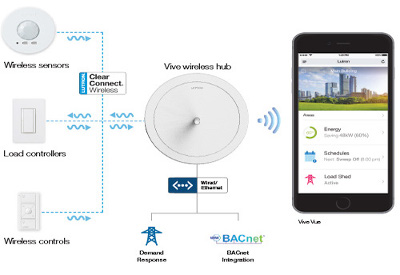
- Adaptive and personalized control. The Internet of Things, through automation and connection, is helping to create flexible, dynamic environments that interact with people, support efficiency, and help save energy. Lutron’s approach also leverages smart technology to change spaces for the benefit of the occupants and allows people to shape those spaces with personalized control.
The HXL approach also supports sustainability by helping reduce energy costs and embracing elements of the natural world, and it contributes to design supporting WELL and LEED standards.
Lutron HXL specifics reinforce the innovative design choices that are being made in commercial spaces such as offices, hotels, and college campuses. Hanna explains that a broad-based strategy is key to meeting the needs of the people in these settings.
“The Lutron HXL approach illuminates the human experience,” he says. “The concept of human centric lighting is about creating more comfortable and engaging environments for people. With this approach, Lutron puts the benefits of human centric lighting at the core of any discussion about lighting control and technology.”
The Lutron HXL approach is being presented at Booth #1724 at Lightfair. Visit lutron.com/HXL for more information.