Mac’s II Agencies: Project Highlight – The Sidney Centre for Plant Health (SCPH), Victoria, BC
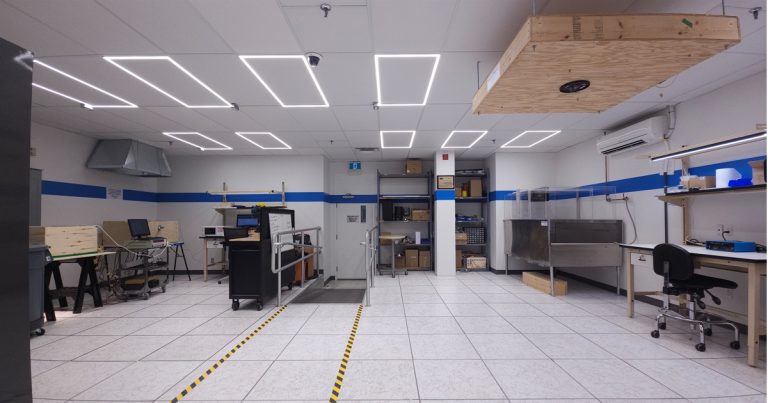
The Sidney Centre for Plant Health (SCPH) represents a major step forward in Canada’s commitment to safeguarding plant health. As the country’s only post‑entry quarantine, diagnostic, and research facility for imported plant material, the new 59,460 sq.ft building replaces aging structures dating back over a century, providing a modern, efficient, and future‑ready home for critical scientific work. Mac’s II Agencies supported the project through a fully integrated approach, bringing together lighting, electrical, and power solutions.