The Evolving Workspace: Putting Light to Work in Office Design
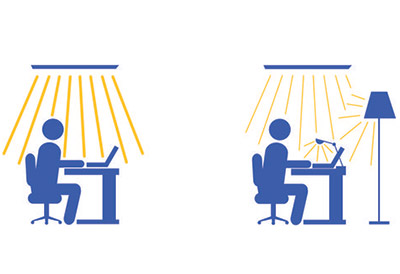
Most workspaces today are over-lit. To avoid this, layer different types of lighting such as ambient and task lighting.
Once upon a time, office space was a combination of cubicles and file cabinets, computer terminals and conference areas. But changes in technology have helped transform the look and feel of the workplace. Current research and emerging practices suggest that attention to office lighting design can go a long way in making the office work better, feel more comfortable and invite greater collaboration.
Rethinking office lighting design
Most workplaces are over-lit. The intensity of light cast on a surface is measured in foot-candles (fc). The Illumination Engineering Society of North America (IES) recommends a 30-50 fc range for ambient office lighting, but many workspaces are lit to 60 fc.
According to Jason Brown, Application Solutions Manager for GE Lighting, workspaces that are too bright may affect a building’s energy costs. Working closely with the IES, Brown has found that a “layered” design is a good solution to over-lit offices.
“A layered design is optimizing ambient, perimeter and task lighting to hit energy goals and save the most money with the best lifecycle cost, potentially earning LEED points, too,” Brown says. “Instead of giving everyone the same 30-50 foot-candles of illumination, light can be assigned to certain tasks.”
The California Lighting Technology Center and the California Energy Commission PIER Program studied office lighting and developed a layered lighting design based on the task/ambient concept. The organizations found that making LED-based localized task lighting the primary layer of light in offices resulted in a 50% savings in lighting energy and overwhelming user satisfaction.
Ambient office lighting
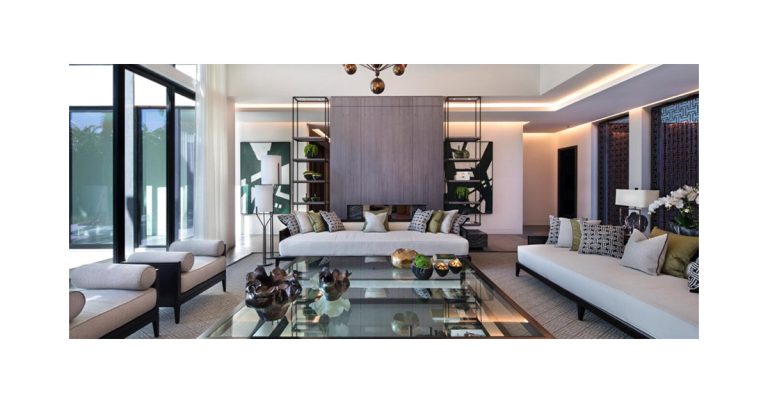
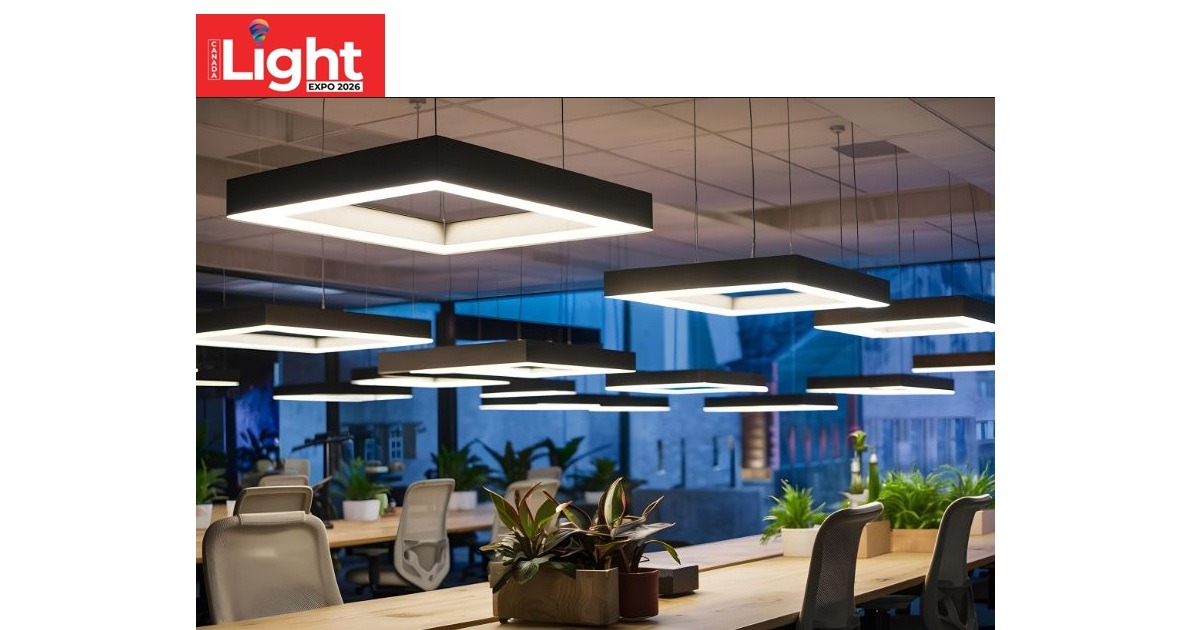
The ability to direct light where it’s needed is a key advantage of today’s advanced LED optical designs. For general lighting, new LED options offer dual benefits of aesthetics and efficiency. Recessed ceiling troffers like GE’s Lumination ET and BT Series LED lighting fixtures can improve the quality of the lit space when “on” yet appear free of a visible light source while switched “off.”
Office task lighting
Compact LED Lighting systems can add dramatic accents to office walls, lobbies or conference rooms, suiting a wide range of task lighting needs. Typically mounted underneath desks, cabinets and in other tight spaces where other technologies simply won’t fit, these ultra-thin LED solutions make it easier to achieve a layered lighting look.
Designer office LED fixtures
Still another category of fashion-forward LED lighting fixtures offers both ambient and localized illumination. Thin and uniformly illuminated, GE’s suspended Lumination EP Series LED lighting fixture delivers versatile light distribution patterns — both diffused ambient uplighting and effective task downlighting. The technology couples the LED light engine into the light guide and maximizes the performance and application efficiency of every LED in the luminaire.
Lighting controls
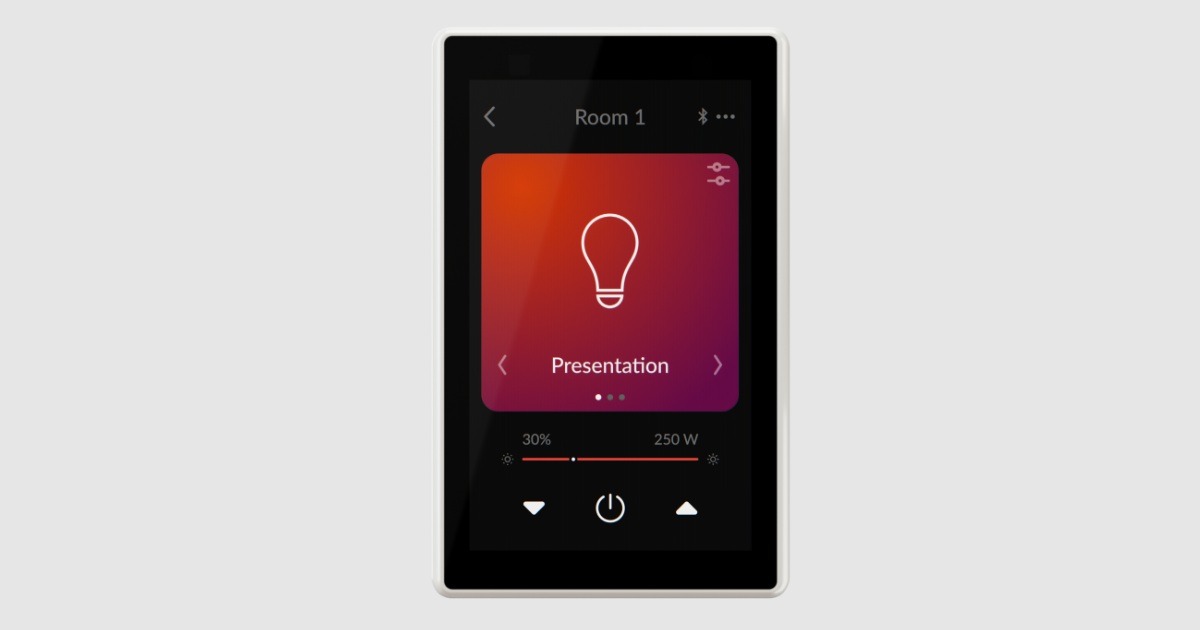
Advances in lighting controls are likewise leading today’s workspace evolution. Occupant responsive technology offers both energy savings potential and the opportunity to enhance employee satisfaction.
The U.S. General Services Administration recently evaluated the performance of occupant responsive lighting technology. Through the use of advanced lighting controls, calculated annual energy savings by site ranged from 27 to 63% with the variations being attributable mostly to the way space was used. Spaces where the tenant required illumination for variable levels of workstation occupancy showed the greatest savings while spaces where the tenants’ employees were at their desks most of the day showed the least. Surveys further demonstrated that occupants were generally more satisfied with the retrofitted lighting systems, noting they provided less glare and better quality light.
Moving forward
As organizations attempt to keep up with ever-changing technologies and evolving trends in workspace and lighting design, a professional lighting analysis is a sure first step for learning more about existing systems and options.
Repurposed with permission from GE Lighting.