Illuminating Spaces: Understanding the 3 Sub-Effects of Directional Lighting
By Robert Lanteigne
January 4, 2024
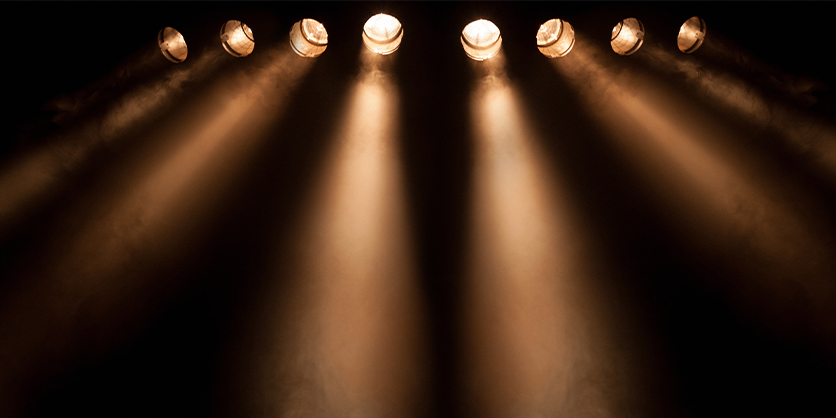
In the world of architectural lighting, directional lighting stands out for its ability to focus and shape the ambiance of a space. Unlike diffused lighting, which spreads light evenly across an area, directional lighting points and shines light in a specific direction, creating dynamic and dramatic effects. This article explores the three sub-effects of directional lighting: Indirect, Semi-Direct, and Demi-Indirect lighting, delving into their characteristics, applications, and the unique atmospheres they create.
1. Indirect Lighting: The Subtle Art of Reflection
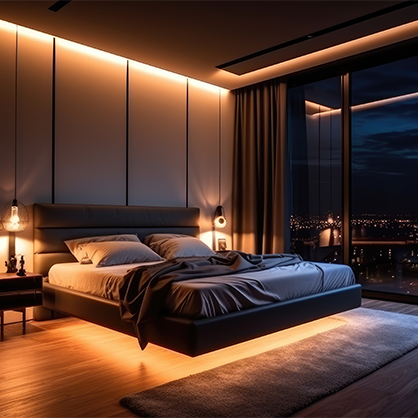
Indirect lighting is a technique where light is directed upwards toward the ceiling or walls and then reflected back into the room. This reflection diffuses the light, creating a soft, even glow that eliminates harsh shadows and glares. The primary charm of indirect lighting lies in its ability to create a calm and relaxed atmosphere, perfect for living spaces or areas where a gentle illumination is preferred.
a. Characteristics and Applications
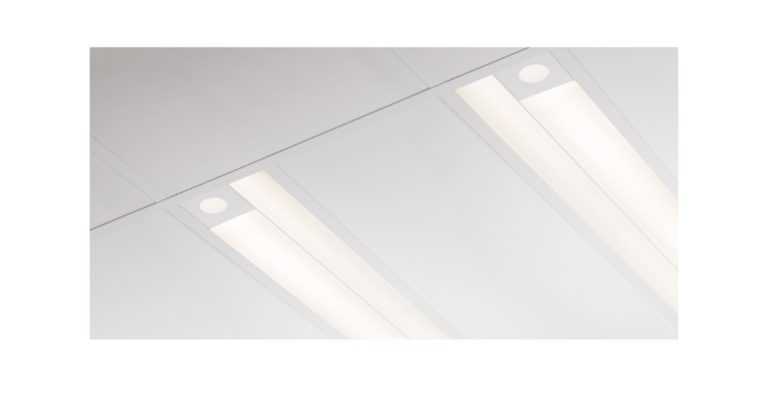
Indirect lighting is characterized by its hidden light sources. Instead of seeing the light fixtures or bulbs directly, you experience the gentle luminosity they cast. This lighting style is often used in living rooms, bedrooms, and other areas where a serene and inviting atmosphere is desired. Wall sconces, cove lighting, and upward-facing floor lamps are common fixtures used to achieve this effect.
b. Design Considerations
When designing with indirect lighting, it’s crucial to consider the color and texture of the ceiling and walls since these surfaces will reflect and somewhat diffuse the light. Light-colored and matte surfaces work best for reflecting light without creating hotspots or glare.
2. Semi-Direct Lighting: A Harmonious Blend
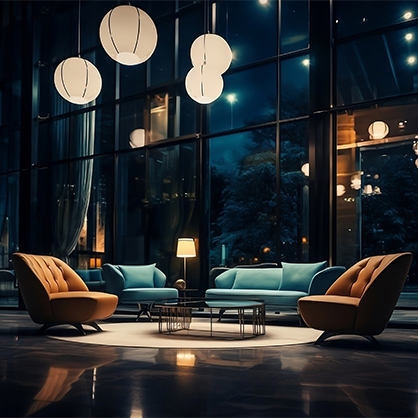
Semi-direct lighting strikes a balance between direct and indirect lighting. In this approach, a significant portion of the light (typically 60-90%) is directed downwards, focusing on a specific area or object, while the remainder is cast upwards, providing a subtle ambient glow to the rest of the space.
a. Characteristics and Applications
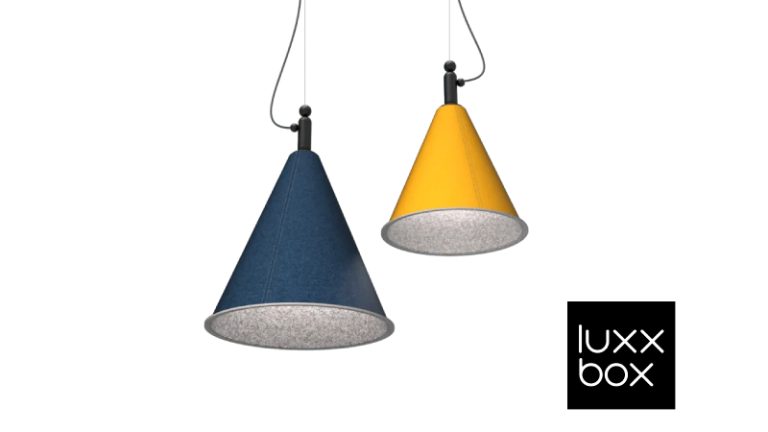
Semi-direct lighting is versatile and adaptable, making it suitable for a variety of settings, including dining areas, conference rooms, and libraries. It provides focused illumination where needed, while also contributing to the overall brightness of the room. Fixtures like pendant lights and chandeliers are often used in semi-direct lighting schemes.
b. Design Considerations
The key to effective semi-direct lighting is finding the right balance between the direct and indirect components. This balance depends on the purpose of the space and the desired ambiance. For example, a dining room might benefit from more direct lighting over the table, with a softer glow around the perimeter.
3. Semi-Indirect Lighting: Soft Focus with a Purpose
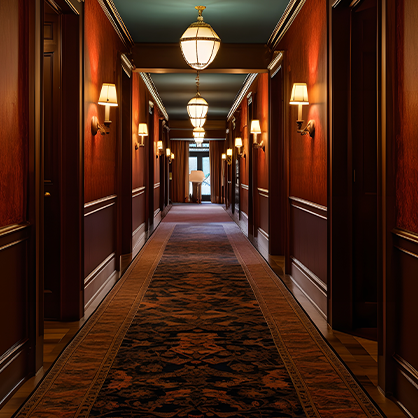
Semi-indirect lighting is the inverse of semi-direct lighting. In this style, most of the light (60-90%) is directed upwards to the ceiling and walls, creating a diffuse, ambient light. The remaining portion is directed downwards, focusing gently on specific areas or objects.
a. Characteristics and Applications
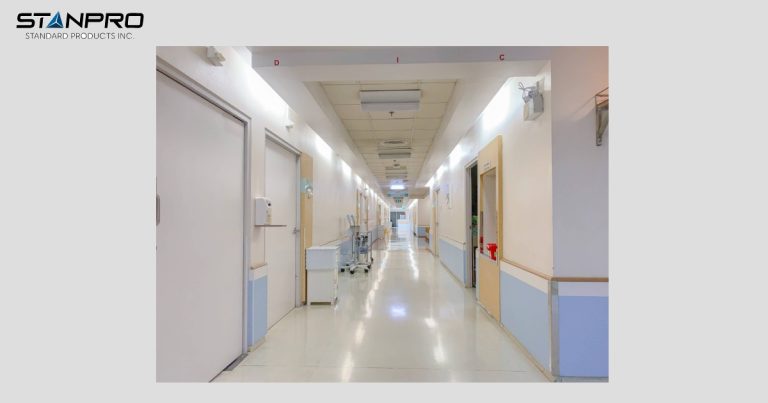
This type of lighting is ideal for spaces where a relaxed, yet subtly focused illumination is required. It’s commonly used in art galleries lobbies, reception areas, and residential hallways. The upward component of the light creates a spacious and open feel, while the downward light adds functional illumination without overpowering the space.
b. Design Considerations
When implementing semi-indirect lighting, it’s important to choose fixtures that complement the decor and architecture of the space. The fixtures should be aesthetically pleasing, as they are often visible and contribute to the room’s overall design.
The Impact of Directional Lighting on Mood and Function
Each sub-effect of directional lighting has a unique impact on the mood and functionality of a space. Indirect lighting creates a soothing and relaxed environment, ideal for unwinding. Semi-direct lighting provides a focused yet balanced illumination, suitable for tasks and socializing. Semi-indirect lighting offers a gentle ambiance that enhances the space’s aesthetic while providing functional light.
Conclusion
Directional lighting, in its various forms, offers a range of possibilities for illuminating spaces. Whether it’s the calming effect of indirect lighting, the balanced approach of semi-direct lighting, or the aesthetic appeal of semi-indirect lighting, each style has its place in architectural lighting design.
By understanding and utilizing these sub-effects, designers and homeowners can create environments that are not only visually appealing but also tailored to the specific needs and activities of each space.
The art of lighting, therefore, lies in choosing the right type of illumination to enhance and transform our living and working environments.
Follow us with Directional Lighting in the next article.
About the Author

Robert Lanteigne AKA Lightbob is a successful entrepreneur, born in Canada, established in the United States, business consultant, coach, chef, electrician and mentor with decades of experience in the fields of lighting design and creative coaching. He is the founder and CEO of Lightbob.com, a premier lighting design company that provides services worldwide, and RobertLanteigneCoach.com is a high-level coaching service that offers creative solutions to specialized consultants looking to expand their practice. Through his coaching services, Bob provides expert guidance and support to consultants who want to take their practice to the next level.
Whether they are looking to increase their revenue, expand their client base, or develop new skills, and offer personalized coaching programs that are tailored to the unique needs and goals of each client. Bob’s expertise in lighting design and creative coaching has earned him a reputation as a leading expert in both fields. His work has been featured in numerous publications, including Architectural Digest, Interior Design, and Trade Magazines, and has been a guest speaker at industry events around the world. Bob is also a past member of several professional organizations, including the International Association of Lighting Designers.
Related Articles
The Non-Technical Language of Light: General Diffuse Lighting
Light is everywhere, filling up our world in its purest natural form! From the Sun’s ginormous beams to the tiny glow of a lightning bug, general lighting flourishes all around us through space. It starts as raw, uncontrolled brightness before we sometimes shape it for use.
Illuminating My First Decades in Lighting: From Halogen to LEDs and Beyond
Over my first decade in the lighting industry, I witnessed tremendous technological advancements, from halogen to LEDs and beyond. While embracing each evolution, I made it my mission to push innovation further through product development, education, and applications. My journey has shown me that no matter how far technology progresses, success lies in mastering the fundamentals of lighting design.