The Spectrum of Illumination: Navigating the Benefits and Limitations of Lighting Colors
March 6, 2024
By Robert Lanteigne
In the world of architectural lighting, the color of light plays a pivotal role in shaping the ambiance, functionality, and aesthetic appeal of spaces. From the serene and invigorating hues of cold colors to the cozy warmth of warm tones and the vibrant versatility of dynamic lighting, each category brings its unique benefits and challenges.
This article delves into the intricacies of these lighting colors, exploring their advantages and limitations from three distinct viewpoints: cold colors, warm colors, and dynamic colors, including RGB, RGBW, and the contrast between cold white and warm white. We also consider the potential of combining these elements to create multifaceted lighting designs.
Cold Colors: Clarity and Concentration
Cold lighting colors, often manifesting in shades of blue and bright white, are known for their crisp clarity and ability to enhance concentration. These tones mimic the natural daylight at midday, which is known to stimulate alertness and improve mood. In settings such as offices, classrooms, and medical facilities, the use of cold lighting can contribute to increased productivity and a sense of vitality.
Benefits:
- Enhanced Alertness: Cold light, particularly in the blue spectrum, is known to suppress melatonin production, thus keeping the mind alert and focused.
- Visual Clarity: Cold light offers excellent visual acuity, making it ideal for tasks requiring precision and attention to detail.
- Mimics Daylight: Cold lighting can simulate natural daylight conditions, promoting a healthier circadian rhythm in environments with limited access to natural light.
Limitations:
- Perceived Sterility: The sharpness of cold lighting can sometimes create an unwelcoming, clinical atmosphere, lacking in coziness and comfort.
- Disruption of Sleep Patterns: Overexposure to cold light, especially in the evening, can interfere with the body’s natural sleep cycle, leading to sleep disturbances.
- Limited Application: The stark nature of cold lighting may not be suitable for all spaces, particularly those designed for relaxation and warmth.
Warm Colors: Comfort and Coziness
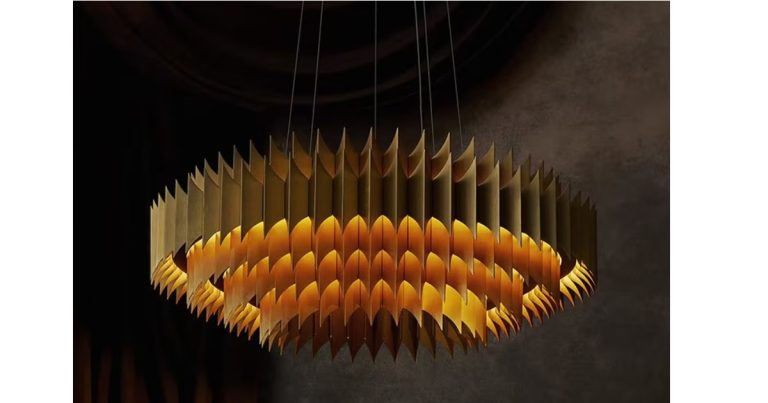
Warm lighting colors, with their golden and amber hues, evoke a sense of warmth and comfort, reminiscent of the soft glow of sunrise or sunset. These tones are particularly favored in residential settings, restaurants, and hospitality environments where a welcoming and relaxed atmosphere is desired.
Benefits:
- Customization: Dynamic lighting systems can be tailored to create specific moods, enhance thematic elements, or support the functionality of a space, all with the touch of a button.
- Enhanced Engagement: The ability to change lighting colors and patterns can make spaces more engaging and interactive, particularly in entertainment and retail environments.
- Health and Well-being: Dynamic lighting can be programmed to mimic the natural progression of daylight, supporting the body’s circadian rhythms and promoting overall well-being.
Limitations:
- Complexity: The installation and programming of dynamic lighting systems can be complex and require specialized knowledge, potentially increasing the initial setup costs.
- Overstimulation: Without careful design, the constant change in lighting colors and intensities can lead to sensory overload, detracting from the desired ambiance.
- Maintenance: The sophisticated technology behind dynamic lighting systems may entail higher maintenance requirements and costs compared to more straightforward lighting solutions.
Combining Lighting Colors for Enhanced Environments
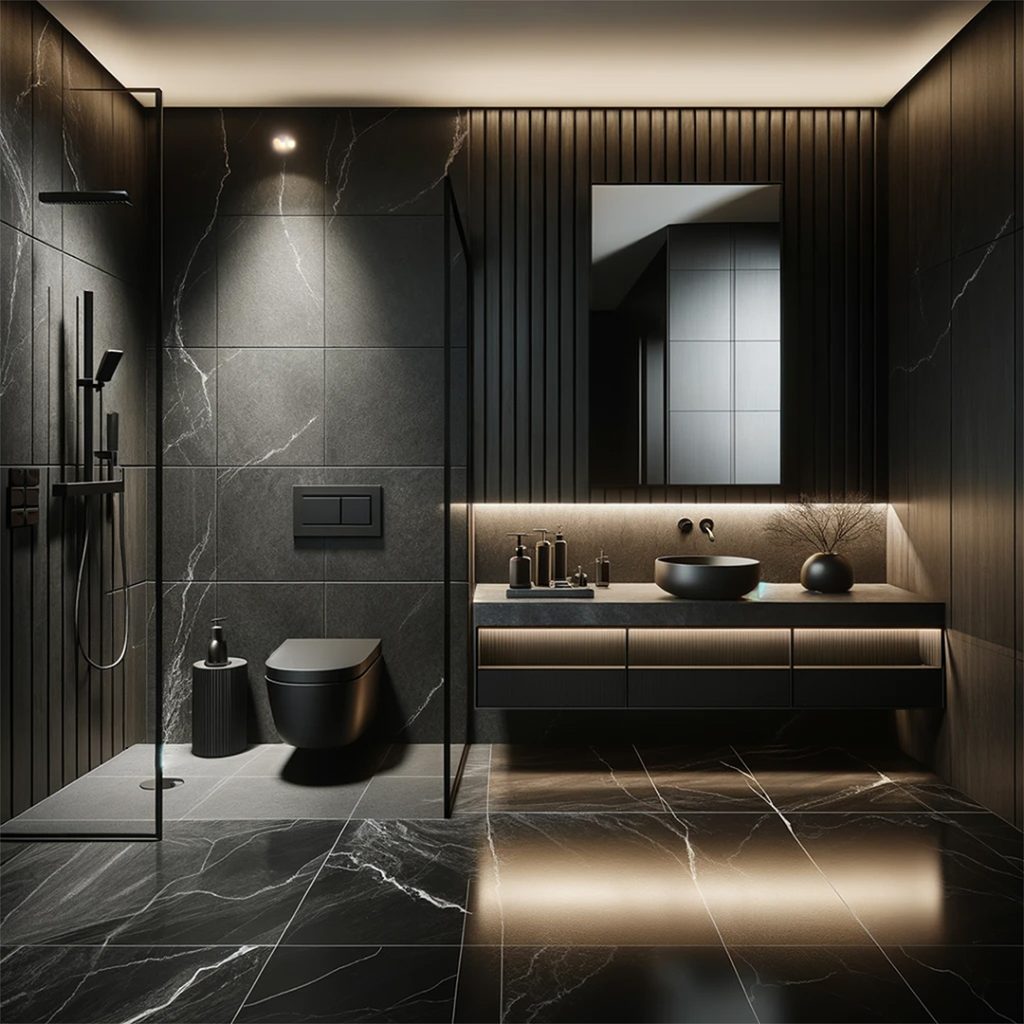
The true potential of architectural lighting unfolds when these color spectrums are thoughtfully combined. For instance, a space could utilize cold lighting for task-oriented areas while incorporating warm lighting in relaxation zones, creating a balanced environment that caters to both productivity and comfort. Dynamic lighting systems can then be employed to accentuate architectural features, provide adaptive lighting solutions for different times of day, or support various activities within the same space.
Strategies for Combination:
The strategic application of cold, warm, and dynamic lighting colors offers a vast array of benefits in architectural lighting design. While each category has its limitations, the thoughtful integration and combination of these elements can result in environments that are not only visually stunning but also supportive of human needs and activities. As we continue to explore the intricate dance of light and color, the future of architectural lighting shines bright, promising spaces that are not only illuminated but truly transformative.
Understanding LED Warm Dimming
In recent years, a significant trend in LED lighting technology has been the development of warm-dimming LEDs. This innovative feature allows LED lights to mimic the color temperature shift of traditional incandescent bulbs as they are dimmed, transitioning from a brighter, cooler white to a softer, warmer glow. This shift creates a more inviting and comfortable atmosphere, particularly in residential and hospitality settings where ambiance is key.
Benefits of LED Warm Dimming
Limitations of LED Warm Dimming
Cold White vs. Warm White LEDs
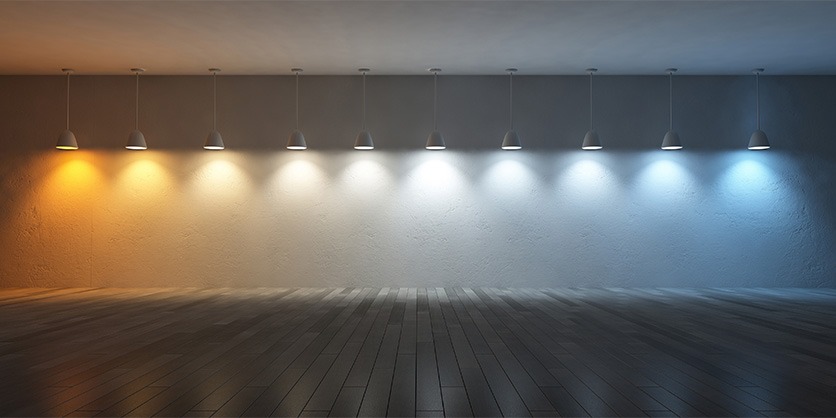
The choice between cold white and warm white LEDs further expands the versatility of LED lighting. Cold white LEDs emit a bright, daylight-like light, ideal for task lighting or areas requiring high visibility. Warm white LEDs, on the other hand, provide a softer, more yellow-toned light, suitable for creating a cozy and relaxing atmosphere.
Combining LED Color Temperatures
Innovative lighting designs often combine cold white, warm white, and warm dimming LEDs to achieve a balanced and adaptable lighting scheme. For example, a living space might use warm white LEDs for general ambiance, cold white LEDs for task areas like reading nooks or kitchen counters, and warm dimming LEDs for adjustable mood lighting.
So, the trend of warm dimming LEDs brings the nostalgic appeal of incandescent dimming to the modern, energy-efficient world of LED lighting. Despite some limitations, such as cost and compatibility, the benefits of enhanced ambiance, energy efficiency, and improved comfort make warm-dimming LEDs an attractive option for both residential and commercial settings. As technology continues to advance, we can expect further innovations in LED lighting that offer even greater flexibility and customization in architectural lighting design.
About the Author

Robert Lanteigne AKA Lightbob is a successful entrepreneur, born in Canada, established in the United States, business consultant, coach, chef, electrician and mentor with decades of experience in the fields of lighting design and creative coaching. He is the founder and CEO of Lightbob.com, a premier lighting design company that provides services worldwide, and RobertLanteigneCoach.com is a high-level coaching service that offers creative solutions to specialized consultants looking to expand their practice. Through his coaching services, Bob provides expert guidance and support to consultants who want to take their practice to the next level.
Whether they are looking to increase their revenue, expand their client base, or develop new skills, and offer personalized coaching programs that are tailored to the unique needs and goals of each client. Bob’s expertise in lighting design and creative coaching has earned him a reputation as a leading expert in both fields. His work has been featured in numerous publications, including Architectural Digest, Interior Design, and Trade Magazines, and has been a guest speaker at industry events around the world. Bob is also a past member of several professional organizations, including the International Association of Lighting Designers.
Related Articles
Shedding Light on Directional Lighting: A Bright Focus in the World of Illumination – Lighting Design & Specification
The Non-Technical Language of Light: General Diffuse Lighting
Light is everywhere, filling up our world in its purest natural form! From the Sun’s ginormous beams to the tiny glow of a lightning bug, general lighting flourishes all around us through space. It starts as raw, uncontrolled brightness before we sometimes shape it for use.
Illuminating My First Decades in Lighting: From Halogen to LEDs and Beyond
Over my first decade in the lighting industry, I witnessed tremendous technological advancements, from halogen to LEDs and beyond. While embracing each evolution, I made it my mission to push innovation further through product development, education, and applications. My journey has shown me that no matter how far technology progresses, success lies in mastering the fundamentals of lighting design.