Essential Office Lighting Guide from WAC Lighting
December 13, 2023

When it comes to office lighting, there are a few key principles that can inspire happier, healthier employees. Do not underestimate the value of adequate lighting in your workspace. It can enhance your employees’ performance and perception of their work, and lighting is also necessary to abide by worker safety regulations.
Learn more about the best practices for commercial office lighting to maximize productivity and benefit your team’s collective attitude toward their work.
Fundamentals for Effective Office Lighting
Creating an effective and productive environment in your workspace is crucial. A few essentials can help you achieve the best office lighting for your employees, including:
LED Lighting
Opting for LED lighting instead of fluorescent or incandescent lights can be very beneficial, especially when it comes to office spaces.
LED lights are more energy-efficient and better for the environment. They can conserve up to 75% more energy compared to incandescent options. Businesses can then save hundreds of dollars in energy costs by switching to LED lighting.
Color and Temperature
Different lighting colors and temperatures can have various effects on moods and a person’s circadian rhythm. White light can improve alertness and boost overall mood, helping office workers feel energized for the day.
Screens and Glare
Another factor to consider for effective office lighting is the location of lighting in relation to computer monitors and technology screens. Poorly positioned lights can cause distracting glares that may lead to headaches and irritation. A proper lighting setup should not cause eye strain.
Multiple Lighting Sources
Incorporating multiple sources of light is another essential for effective office lighting. Workspaces should have both natural and artificial light to create the best effect for your employees. Natural light is especially important for maintaining productivity and happy workers.
Consider creating a lighting system that utilizes both natural and artificial options to your benefit to illuminate employee workstations. Have ample artificial lighting for cloudy, overcast days or late nights at the office.
Aesthetics and Functionality

The lighting in an office space can enhance the working environment. Minimalist lighting options can inspire a more calming and organized workplace.
If your lighting is poorly placed and contributes to office clutter, it can distract employees and make it more difficult to concentrate, ultimately affecting productivity.
OSHA Lighting Regulations
In addition to the fundamentals above, the United States Occupational Safety and Health Administration (OSHA) outlines regulations for office lighting in standard 1915.82.
This standard requires workspaces to have adequate lighting whenever employees are present to maintain worker safety and wellbeing.
How Lighting Helps Employee Mood and Productivity
Natural light and artificial lighting systems that mimic sunlight can have positive impacts on how people feel. Effective office lighting has the following influences on employees:
- Boosting moods: Having a positive attitude helps people do their best work. Lighting can directly impact a person’s mood, and the right lighting can make your employees feel more uplifted and engaged.
- Increasing cognitive performance: Another way great lighting can boost productivity is by enhancing brain functioning. Adequate lighting can support better problem-solving skills and help workers engage with their work more effectively.
- Enhancing creativity: Lighting can also attribute to employee creativity, which helps in reducing stress and inspiring collaboration. Effective lighting can make workers feel more alert and think more innovatively.
- Improving concentration: The presence of proper lighting can influence concentration and motivation. Whether your employees are working on computers or with paper and pencils, improper lighting can make it challenging to see or even cause distracting negative effects such as eye strain and headaches.
- Creating a welcoming environment: The way people feel and their productivity levels are often linked to the environment around them. An office should inspire feelings of calm and tidiness for the best worker output. Lighting is a major contributing factor in creating the right type of atmosphere for the best employee performance.
- Helping regulate sleep: Our bodies are highly responsive to light. Lighting signals to us when it is time to be awake and alert, as well as when it is time to wind down and get some rest. Effective lighting in an office space should work for rather than against our circadian rhythms to help regulate sleep.
Impacts of Poor Lighting in Office Spaces
Ignoring the need for effective office lighting can lead to the following negative effects:
- Eye strain: Inadequate lighting can put too much stress on your employees’ eyes while they work, leading to problems such as headaches or migraines.
- Lower productivity: Offices that are too dim or overly bright can negatively impact feelings of alertness and lead to inefficient working.
- Poor attitudes: When workplaces have poor illumination, it can make your workers feel negativity toward the office and their work. It can also interfere with internal clocks and make people feel more lethargic while in the office.
Natural and Artificial Lighting for Balanced Workspaces
Lighting is a powerful tool for optimizing your office space. It can have direct and indirect effects on people’s attitudes and perceptions of their work. The key to maximizing its positive impact is to balance both natural and artificial lighting.
Utilizing sunlight and artificial lighting strategically to mimic natural daylight in the office is an art called human-centric lighting.
Human-Centric Lighting
Human-centric lighting focuses on benefiting human wellness and health by strategically utilizing the way our bodies respond to lighting and correlated color temperature.
Walking into an office with no windows and dingy fluorescent lighting has a different impact on workers than if they had a workspace with quality lighting and floor-to-ceiling windows on a bright day with clear skies. Our bodies and minds respond differently to the two.
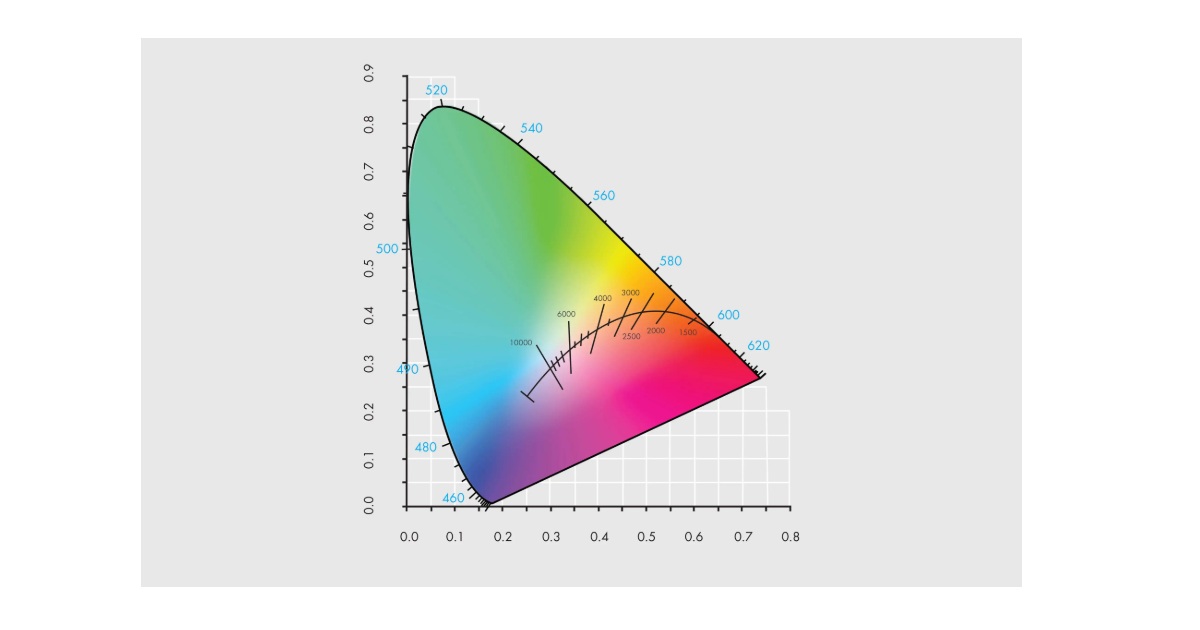
Color temperature also influences human behavior. Blue lights can make us feel more alert and awake, while yellow lighting is more calming and suitable for rest. Human-centric lighting systems are also referred to as circadian lighting because they can maximize daily patterns to enhance sleep and benefit the body’s 24-hour sleep-wake cycle.
Learn More About Innovative Office Lighting From WAC Lighting
If you are in the office sector and searching for long-lasting, energy-efficient LED lighting, turn to WAC Lighting. We provide businesses with high-quality fixtures that are both decorative and functional.
You can enjoy having peace of mind when you partner with WAC Lighting because we are a zero-landfill company that prioritizes minimal waste and significantly less energy use than traditional lighting options. WAC Lighting smart products have tech integrated into them, allowing you to achieve the best layout for your office.
Are you interested in learning more about human-centric lighting? Contact WAC Lighting today!
More information available here