Hort V1.2 Update: Reduced Benchtop Driver Testing Requirements
LDS 7 CS DLC 400

May 21, 2020

Effective May 18, 2020, the DLC is making a small change to the current V1.2 Testing and Reporting Requirements for Horticultural Lighting Products in order to reduce testing burden for manufacturers. Under the updated requirements, the method to determine the “worst-case” driver has been changed to lessen required testing, reduce application delays, and align with the SSL review process. This change will not affect the review of applications in process.

This update to the horticultural requirements is detailed below and is now reflected on the DLC website on the Horticultural Technical Requirements webpage.

May 2020 Update to Horticultural Testing and Reporting Requirements:

Under the requirements update, the “worst-case” variation is assumed to be the driver with the highest wattage and benchtop testing no longer requires driver output electrical data to inform “worst-case” (as opposed to the least efficient driver approach required under the original policy). 

  • For each unique driver used, manufacturers must now provide electrical testing to demonstrate which driver variation results in the overall minimum PPE (generally the highest wattage) when at full designed operating power.
  • Output voltage, current, and wattage are no longer required to be reported for each unique driver.
  • The highest wattage driver will be confirmed by reviewing the submitted measurements of the input of each unique driver.
  • The driver with the highest wattage must be used in the tested configuration.
View Updated Horticultural Testing Requirements

Source

Related Articles


Changing Scene


Design

  • Omnify: 7 Common Light Panel Mistakes (And How to Fix Them)

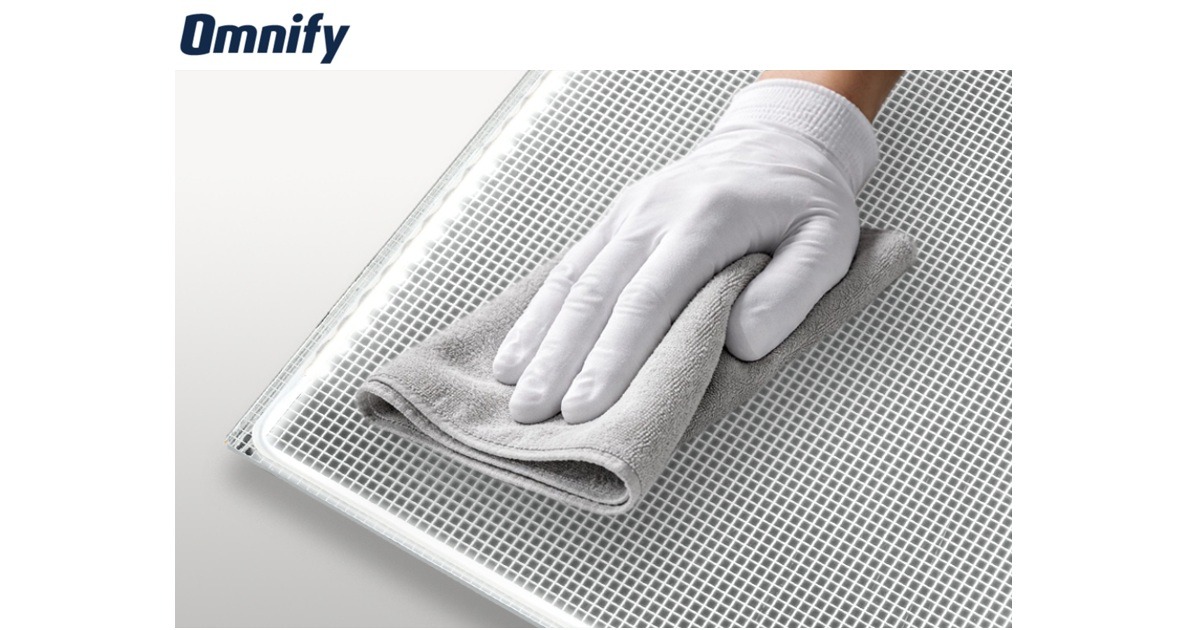
    Omnify: 7 Common Light Panel Mistakes (And How to Fix Them)

    You’ve invested in premium LED light guide panels for your retail display or commercial project. The specs looked perfect. The samples were gorgeous. But now? Something’s off. Maybe the lighting is uneven, or panels are starting to fail way before they should. Here’s the thing, most LED light guide panel problems aren’t manufacturing defects. They’re… Read More…

  • Legrand: The Benefits of DMX Lighting in Modern Commercial Spaces 

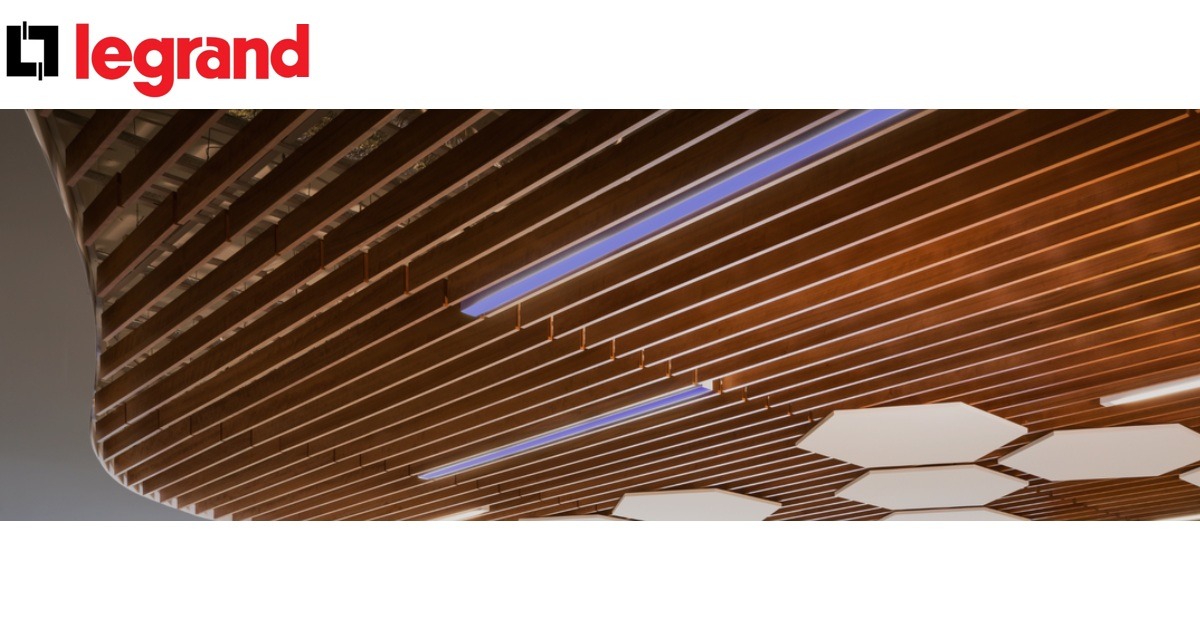
    Legrand: The Benefits of DMX Lighting in Modern Commercial Spaces 

    DMX lighting is a powerful control protocol originally developed for theaters and entertainment venues, but its reach has expanded far beyond the stage. Today, DMX is increasingly used in commercial, educational, healthcare, and architectural environments to create dynamic, color-rich, and adaptable lighting experiences. Where traditional lighting systems focus primarily on on/off and dimming control, DMX… Read More…


New Products

  • RENO Lighting: Aerolux – Adaptive Area Light with Field-Adjustable Distribution

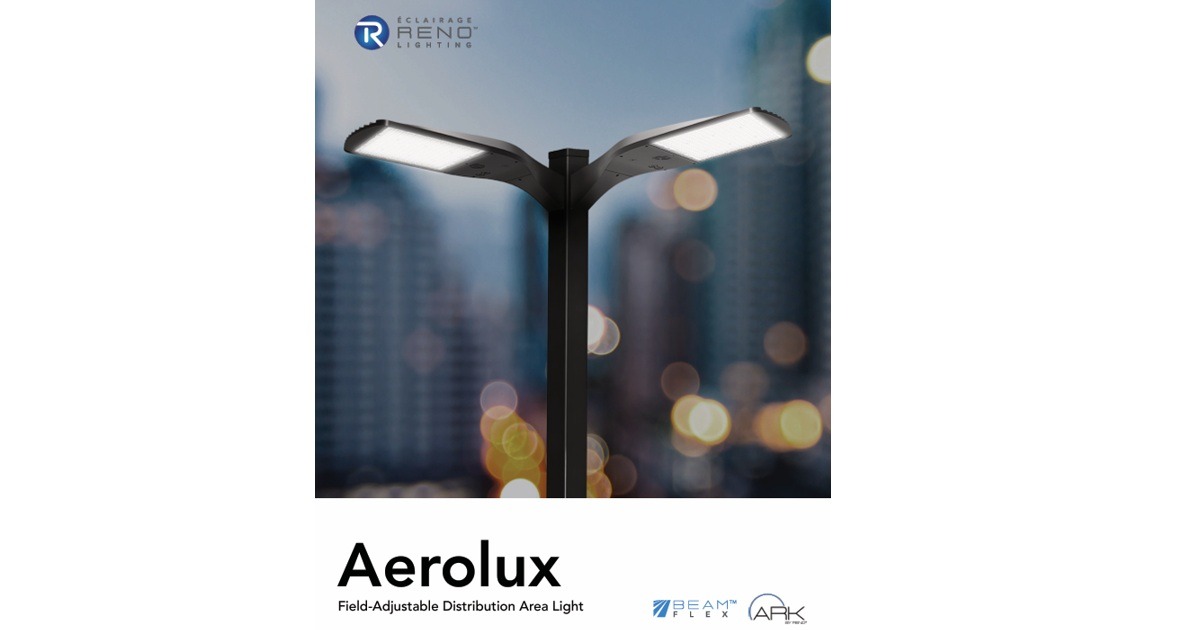
    RENO Lighting: Aerolux – Adaptive Area Light with Field-Adjustable Distribution

    Meet the Aerolux Series—a sculpted area light with on-site adjustable distribution, delivering precise, adaptable illumination across a range of applications. With a slim, curved profile and durable die-cast aluminum construction, Aerolux combines refined design with lasting performance and durability. One fixture. Multiple configurations. No compromises. Aerolux reduces SKU complexity while increasing on-site flexibility, and is… Read More…

  • LEDVANCE: SYLVANIA TruWave Technology

    LEDVANCE: SYLVANIA TruWave Technology

    TruWave Technology is a lighting technology developed by SYLVANIA. It provides the closest possible lighting experience to natural light by mimicking the natural light spectrum. Natural light is the most common light source in daily life, and it helps regulate body clocks and improve mood and focus. However, in indoor environments, the amount of natural… Read More…